
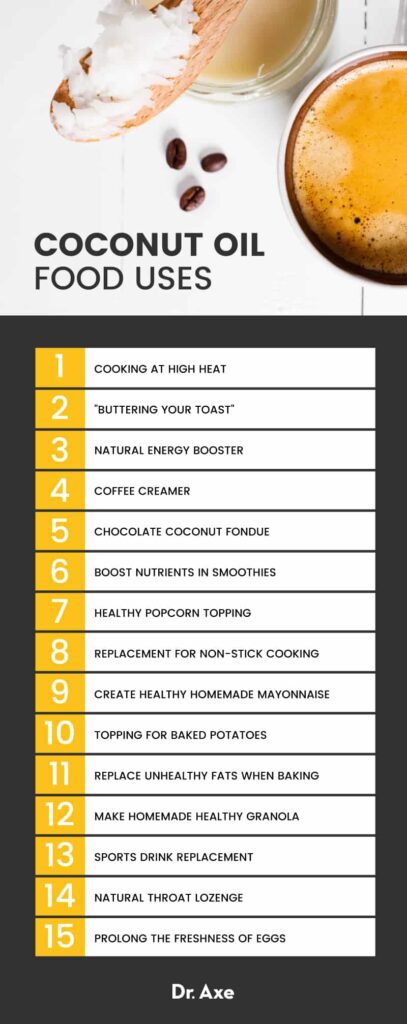
Coconut oil has been widely discussed for its potential health benefits, and it’s essential to understand the properties and uses of coconut oil before consuming it. In this article, we’ll delve into the world of coconut oil, exploring its nutritional value, potential health benefits, and uses beyond cooking.
Properties of Coconut Oil
Coconut oil is a unique food with several beneficial properties that make it an excellent choice for cooking and nutrition. In contrast to other fats, coconut oil is rich in medium-chain triglycerides (MCTs), which are easily metabolized by the body without causing weight gain or other negative effects on metabolism.
One of the most interesting properties of coconut oil is its ability to suppress appetite. Studies have shown that consuming coconut oil can help regulate hunger hormones and lead to a reduction in calorie intake. This makes it an excellent choice for individuals looking to manage their weight or reduce their overall caloric intake.
Does Coconut Oil Aid in Weight Loss?
There has been significant debate about whether coconut oil aids in weight loss. While it’s true that coconut oil contains saturated fats, research suggests that these fats are metabolized differently than other types of fat. This means that consuming coconut oil may actually help with weight management, rather than contributing to weight gain.
In addition to its potential benefits for weight loss, coconut oil has also been shown to provide a good source of energy. The MCTs in coconut oil are easily absorbed by the body and can be converted into energy quickly, making it an excellent choice for individuals looking to boost their energy levels.
Recommendations from Health Organizations
Several reputable health organizations have expressed concerns about using coconut oil as a primary cooking fat. The Food and Drug Administration (FDA), the World Health Organization (WHO), and other leading health organizations have warned against consuming coconut oil due to its high levels of saturated fats.
While some studies suggest that coconut oil may be safe in moderation, it’s crucial to note that these findings are not universally accepted. As with any food or supplement, individual tolerance and sensitivity can vary greatly.
Other Uses for Coconut Oil
Coconut oil has a wide range of uses beyond cooking and nutrition. It is commonly used in cosmetics and skincare products due to its moisturizing properties. When applied topically, coconut oil helps nourish and hydrate the skin, making it an excellent ingredient for homemade soap and body care products.
Coconut oil is also used in hair care products, such as shampoos and conditioners, due to its ability to moisturize and nourish the hair and scalp. Additionally, coconut oil can be used as a natural remedy for skin conditions, such as acne and eczema, due to its anti-inflammatory properties.
Where to Buy High-Quality Coconut Oil
When selecting a high-quality coconut oil, look for products that are labeled as “extra virgin” or “cold-pressed.” These labels ensure that the oil has been extracted using minimal processing and retains its natural nutrients.
Some popular brands of high-quality coconut oil include Tiana, Mystic Moment, and Naissance. When shopping for coconut oil, be sure to check the ingredient label and look for products that are free from additives and preservatives.
Important Notes on Coconut Oil
Coconut oil is a liquid in warm weather and solid in cold weather due to its low melting point. It’s essential to note that there is no such thing as “coconut butter,” which is often mistakenly referred to as the solid form of coconut oil.
If you’re considering incorporating coconut oil into your diet, it’s essential to be aware of its potential side effects. Some individuals may experience digestive issues or allergic reactions when consuming coconut oil, although these effects are relatively rare.
FAQs
- Is coconut oil a good source of energy?
A: Yes, coconut oil contains MCTs, which are easily metabolized by the body and provide a good source of energy. - Does coconut oil aid in weight loss?
A: While coconut oil may be beneficial for weight management, its effects on weight loss are still debated among health experts. - Is coconut oil safe to consume in moderation?
A: Some studies suggest that coconut oil is safe in moderation, but it’s essential to note that individual tolerance and sensitivity can vary greatly. - Can I use coconut oil as a substitute for other cooking fats?
A: While coconut oil has potential benefits, it’s not necessarily a suitable substitute for other cooking fats due to its unique fatty acid profile. - What are the potential side effects of consuming coconut oil?
A: Some individuals may experience digestive issues or allergic reactions when consuming coconut oil, although these effects are relatively rare. - Can I use coconut oil in skincare products?
A: Yes, coconut oil is commonly used in cosmetics and skincare products due to its moisturizing properties. - How do I choose a high-quality coconut oil?
A: Look for products that are labeled as “extra virgin” or “cold-pressed,” and check the ingredient label for minimal processing and no additives. - Is it true that there is no such thing as “coconut butter”?
A: Yes, there is no such thing as “coconut butter”; coconut oil is a liquid in warm weather and solid in cold weather due to its low melting point.
Health Benefits of Coconut Oil
Coconut oil has been shown to have numerous health benefits, including:
- Weight loss
- Improved cholesterol levels
- Anti-inflammatory properties
- Antimicrobial properties
- Skin and hair care
While more research is needed to fully understand the potential health benefits of coconut oil, it’s clear that this nutritious food is worth exploring.
Nutritional Value of Coconut Oil
Coconut oil is an excellent source of essential fatty acids, including saturated fats, unsaturated fats, and MCTs. It also contains other nutrients, such as protein, fiber, and vitamins, making it a nutrient-dense food.
Here’s a breakdown of the nutritional value of coconut oil:
- Calories: 120 per tablespoon
- Fat: 14g (primarily saturated)
- Carbohydrates: 0g
- Protein: 0.5g
- Fiber: 0g
- Vitamins and minerals: B vitamins, iron, and zinc
Conclusion
Coconut oil is a nutritious food with numerous benefits, including weight loss, improved cholesterol levels, anti-inflammatory properties, and antimicrobial properties. When consumed in moderation, coconut oil can be a healthy addition to your diet.
When choosing a high-quality coconut oil, look for products that are labeled as “extra virgin” or “cold-pressed,” and check the ingredient label for minimal processing and no additives.
Remember to be aware of potential side effects and to consult with a healthcare professional before incorporating coconut oil into your diet.
By understanding the properties and uses of coconut oil, you can harness its nutritional benefits and incorporate it into your daily routine. Whether you’re looking to manage your weight, improve your skin health, or simply add some energy-boosting goodness to your diet, coconut oil is an excellent choice.


