
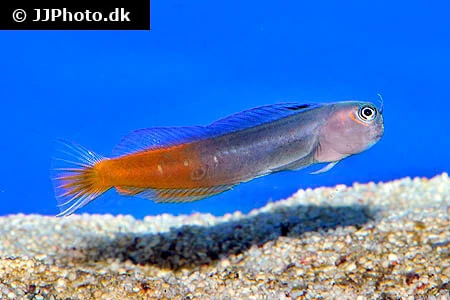
As an aquarium enthusiast, you’re likely familiar with the importance of choosing the right fish for your tank. Two species that have gained popularity in recent years are Ecsenius bicolor and Ecsenius midas. In this article, we’ll delve into the world of these two colorful bavoses, exploring their origins, habits, dietary needs, and care requirements.
Ecsenius Bicolor: The Pacific Blenny
Let’s start with the Ecsenius bicolor, also known as the Pacific blenny. This species hails from the Indo-Pacific region, specifically from the Maldive Islands, Japan, and the Great Barrier Reef.
- Dimensions: 11 cm
- Habitat Natural: The Ecsenius bicolor thrives in shallow, coastal waters with clear visibility, often hiding among coral branches or reefs at depths of 1-25 meters.
- Description: Characterized by an elongated body with a dark blue-purple anterior region and a yellowish posterior section.
Eating Corals: Can Ecsenius Bicolor Do That?
A question that may raise concerns for potential aquarists is whether the Ecsenius bicolor can eat corals. The answer lies in its feeding habits. While it’s true that this species can scrape fragments from coral tissue, this behavior is more pronounced when there are ample algae present in the tank.
Keeping Ecsenius Bicolor: Tips and Considerations
When introducing an Ecsenius bicolor to your aquarium, consider the following:
- Single Specimen: Introduce one individual per tank, as these fish are peaceful and feed on algae.
- Tank Size: These small fish can thrive in smaller tanks with proper decorations and hiding places.
- Algae: Add a variety of algae to provide a balanced diet.
Ecsenius Midas: The Golden Blenny
Now, let’s explore the Ecsenius midas, another species that has captured the attention of aquarium enthusiasts. This golden blenny is also found in the Indo-Pacific region but with different origins and habits.
- Dimensions: 13 cm
- Habitat Natural: The Ecsenius midas inhabits crevices and overhangs on reefs at depths ranging from 2 to 40 meters.
- Description: Characterized by a slender body, the golden blenny sports a yellow-orange to pinkish-red color with blue-bright eyes.
Eating Algae vs. Zooplancton: What’s the Diet of Ecsenius Midas?
When it comes to feeding your Ecsenius midas, you’ll need to consider its dietary needs. While algae can be present in their diet, zooplankton should be the primary source of nutrition.
Keeping Ecsenius Midas: Tips and Considerations
Here are some tips for keeping a happy Ecsenius midas:
- Acclimation: Ensure proper acclimation by introducing them to your tank with existing fish.
- Tank Size: Suitable for small tanks or nano reefs, provided there’s sufficient hiding space.
- Diet: Provide zooplankton as the main staple of their diet.
Common Questions and Answers
Here are some frequently asked questions related to these two species:
- Q: Can Ecsenius bicolor be kept with other fish?
A: Yes, they can be kept in small schools with peaceful species that don’t compete for food. - Q: What is the optimal tank size for an Ecsenius midas?
A: A minimum of 20 gallons is recommended to provide a stable environment. - Q: How often should I feed my Ecsenius bicolor or midas?
A: Feed them 2-3 times a week, providing as much food as they can consume within a few minutes.
Tank Requirements and Compatibility
Both species are relatively small and can be kept in small tanks. However, when choosing a tank size, consider the following:
- Minimum Tank Size: For Ecsenius bicolor, a minimum of 10 gallons is recommended.
- Maximum Tank Size: For Ecsenius midas, a maximum of 30 gallons is suggested.
Compatibility with Other Fish
Both species can be kept with other peaceful fish that don’t compete for food. However, it’s essential to research compatibility before introducing them to your tank:
- Peaceful Species: Suitable tankmates include species like Dottybacks, Wrasse, and small Gobies.
- Aggressive Species: Avoid keeping Ecsenius bicolor or midas with aggressive species that may harass or harm them.
Tips for Setting Up a Successfull Tank
Here are some additional tips to help you set up a successful tank:
- Cycling the Tank: Ensure your tank is cycled before introducing any fish.
- Water Quality Monitoring: Regularly check water parameters to maintain optimal conditions.
- Regular Maintenance: Perform regular maintenance tasks, such as water changes and cleaning the glass.
Conclusion
Ecsenius bicolor and Ecsenius midas are two fascinating species that can thrive in a well-maintained aquarium. By understanding their dietary needs, care requirements, and compatibility with other fish, you can create a successful tank that showcases these beautiful bavoses.


