
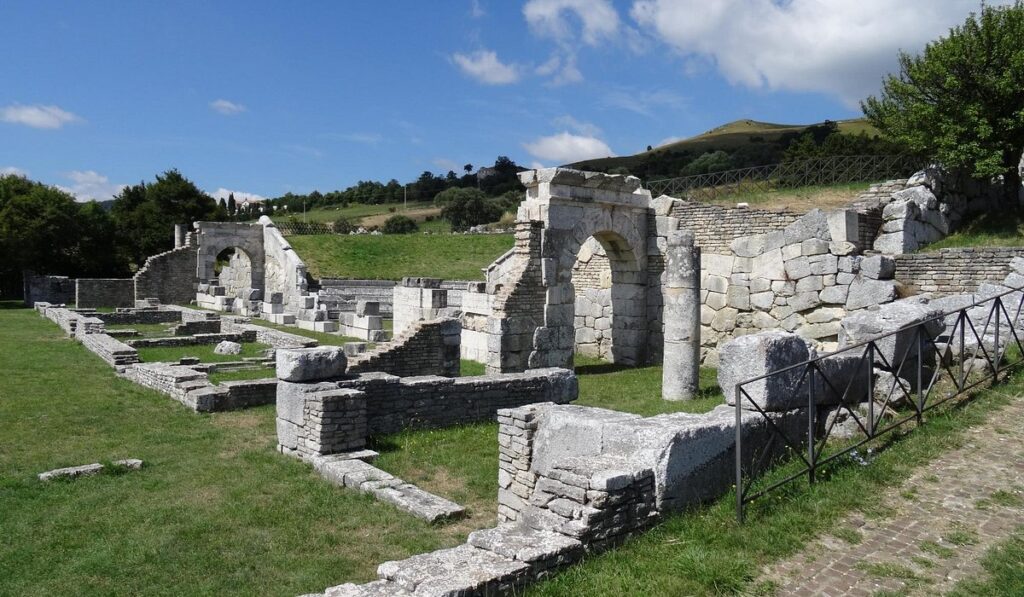
Molise, a region in southern Italy, is often overlooked by tourists flocking to more popular destinations along the Amalfi Coast or Tuscany. However, this hidden gem boasts an incredible wealth of natural beauty, rich cultural heritage, and unique ecotourism opportunities waiting to be explored.
Understanding Ecotourism
Ecotourism is a type of tourism that prioritizes environmental sustainability, conservation, and responsible travel practices. It seeks to promote the preservation of natural habitats and support local communities in their efforts to conserve these areas. In Molise, ecotourism offers a chance to experience the region’s unique blend of nature, culture, and history while minimizing one’s impact on the environment.
Discovering Ecotourism in Molise
In this article, we will delve into five exceptional locations in Molise that showcase the region’s remarkable ecotourism potential. From stunning natural reserves to historic sites and cultural events, these destinations offer an unforgettable experience for travelers seeking a more authentic and environmentally conscious journey.
Ecotourism in the Venafro Olive Park Region
The Venafro Olive Park Region is a must-visit destination for those interested in traditional Molisane traditions and originality. This unique area dedicated to olive cultivation is the first protected area in the Mediterranean basin, born from an opportunity to revitalize a territory previously neglected.
- Unique Features: The park’s stunning natural beauty, historic significance, and picturesque landscapes make it an ideal location for ecotourism.
- Wildlife: Visitors can spot wolves, European lynx, red squirrels, roe deer, capercaillie, and the rare Salamandra dagli occhiali (eye salamander) in their natural habitats.
Ecotourism in the WWF Guardiaregia – Campochiaro Nature Reserve
The Oasi WWF Guardiaregia-Campochiaro is a Regional Nature Reserve recognized for its breathtaking carstic landscapes and diverse wildlife. The protected area, spanning 3,135 hectares, offers stunning views of the Quirino torrent canyon, San Nicola’s waterfall, Pozzo della Neve grottos, and Cul di Bove grottos.
- Wildlife: This reserve is home to wolves, European lynx, red squirrels, roe deer, capercaillie, and other rare species like the Salamandra dagli occhiali.
- Conservation Efforts: The WWF’s conservation efforts have helped protect this unique ecosystem and promote sustainable tourism practices.
Ecotourism among the Mainarde Mountains
The Mainarde mountain chain stretches along the border between Molise and Lazio, offering a true spectacle for nature lovers. This rugged and wild area boasts stunning peaks like Monte Mare (2,124 meters) and Metuccia (2,105 meters), which surpass the summit of Monte Miletto (2,050 meters).
- Traditional Activities: Visitors can experience traditional activities like agriculture or pastoralism in this picturesque region.
- Fauna: The brown marsupial hare takes center stage, accompanied by the presence of the Appennine wolf and other rare species.
Ecotourism in the Bosco Casale Nature Reserve
The Bosco Casale Nature Reserve is a 146-hectare green area managed by LIPU. Located at an altitude of approximately 800 meters above sea level, it’s situated in an agricultural and silviculturally oriented area.
- Birdwatching: The reserve features over 110 species of birds, including the pygmy owl (symbol of the reserve) and other rare species.
- Nocturnal Activities: As the sun sets, the reserve becomes a nocturnal theater, hosting movements of extraordinary beauty by mammals like the Appennine wolf and wild cat.
Ecotourism in the Molise Tracturo Park
The Molise Tracturo Park was established to conserve a unique worldwide heritage that testifies to the origins of pastoralism among Molisane people. The “tratturi” can be considered like “old highways,” where socializing, organizing festivals, and praying in the churches along the path took place.
- Geographical Features: The tracturos stretch for approximately 4,086 hectares and consist of lush paths that branch out into a diverse landscape.
- Cultural Significance: This park offers a glimpse into the region’s rich cultural heritage and traditional way of life.
Conclusion
Molise, Italy’s hidden gem, offers an incredible wealth of natural beauty, rich cultural heritage, and unique ecotourism opportunities. From stunning natural reserves to historic sites and cultural events, these destinations showcase the region’s remarkable ecotourism potential. As we continue to explore and discover new ecotourism destinations, it is essential that we prioritize environmental sustainability, conservation, and responsible travel practices.
Frequently Asked Questions (FAQs)
- What are some of the best times to visit Molise for ecotourism?
- The best time to visit Molise for ecotourism depends on personal preferences. However, spring (April-May) and autumn (September-October) offer mild weather and fewer tourists.
- How can I get to Molise for ecotourism?
- Molise is accessible by car, train, or bus from major Italian cities like Rome, Naples, and Bari. Visitors can also consider renting a car or booking guided tours.
- What are some traditional activities to experience in Molise for ecotourism?
- Traditional activities like agriculture, pastoralism, birdwatching, and exploring historic sites are excellent ways to immerse yourself in Molisane culture.
- How can I support local communities during my ecotourism trip to Molise?
- Supporting local businesses, purchasing local products, and respecting cultural traditions can help promote sustainable tourism practices.
- What safety precautions should I take when visiting Molise for ecotourism?
- Visitors should always prioritize their safety by following local guidelines, being aware of potential hazards, and staying informed about weather conditions.
By exploring these exceptional destinations in Molise, travelers can experience the region’s unique blend of nature, culture, and history while minimizing their impact on the environment.


