
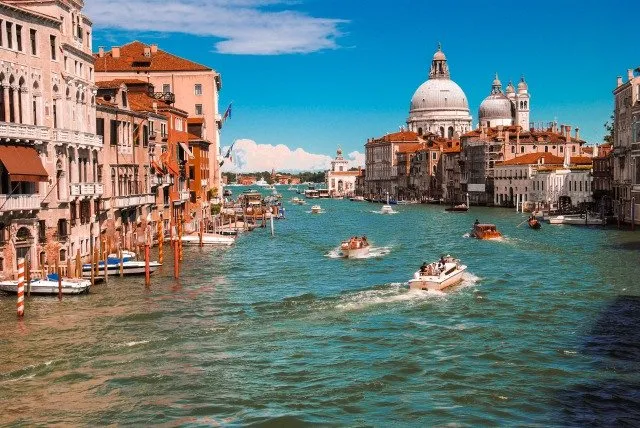
Italy is one of the most popular tourist destinations in the world, known for its rich history, art, architecture, and natural beauty. However, the increasing number of tourists has raised concerns about the environmental impact of mass tourism on the country’s fragile ecosystem. Sustainable tourism, also known as eco-tourism, is becoming a growing trend in Italy, with many hotels and resorts adopting environmentally friendly practices to reduce their carbon footprint.
The Benefits of Sustainable Tourism
Sustainable tourism not only benefits the environment but also the economy and local communities. By choosing sustainable accommodations, tourists can save money on transportation costs, as well as support local businesses that prioritize environmental sustainability. In fact, a study by HotelTonight found that 70% of hotels in Italy have reduced their energy consumption since implementing eco-friendly practices.
Sustainable tourism also has numerous economic benefits for the regions where it is practiced. By supporting local businesses and promoting environmentally friendly practices, tourists can help create jobs and stimulate local economies. Additionally, sustainable tourism can contribute to the preservation of cultural heritage sites and natural environments, which are often protected by UNESCO World Heritage designation.
The Rise of Eco-Tourism in Italy
Eco-tourism has been gaining popularity in Italy over the past few years, with many hotels and resorts adopting environmentally friendly practices. According to a survey by HotelTonight, only 23% of Italian hotels have implemented sustainable practices for at least five years. However, this number is expected to increase as more hotels and tourists become aware of the importance of eco-tourism.
The growth of eco-tourism in Italy can be attributed to the country’s rich natural resources and cultural heritage. From the Amalfi Coast to the Dolomites, Italy has a diverse range of landscapes and ecosystems that are waiting to be explored by sustainable tourism operators. Additionally, Italy’s strong tradition of environmentalism and conservation provides a solid foundation for sustainable tourism practices.
Certification for Sustainable Hotels
To promote sustainability in the tourism industry, the Italian government has introduced a certification program for hotels that meet strict environmental standards. The Climate Hotel certification recognizes hotels that have implemented measures to reduce their energy consumption, waste, and water usage. Currently, only a few hundred hotels in Italy have obtained this certification.
The Climate Hotel certification is awarded by the Italian Association of Hotels and Tourism (AIDITUR) in collaboration with the World Tourism Organization (UNWTO). The certification process involves a thorough assessment of the hotel’s environmental practices, including energy consumption, water usage, waste management, and sustainable procurement policies.
Strategies for Sustainable Hotels
To reduce their environmental impact, sustainable hotels in Italy have adopted various strategies, including:
- Installing energy-efficient lighting and appliances
- Implementing recycling programs and reducing waste
- Using eco-friendly cleaning products and materials
- Investing in renewable energy sources like solar power
- Promoting local and organic food options
Sustainable hotels also prioritize responsible tourism practices, such as supporting local communities and respecting cultural heritage sites. By adopting these strategies, sustainable hotels can reduce their environmental impact while also contributing to the well-being of local communities.
Sustainable Tourism for Visitors
As a visitor to Italy, there are several ways you can contribute to sustainable tourism. Here are some tips:
- Bring a reusable bag or container to reduce single-use plastics
- Avoid touching coral reefs and other marine life in the sea
- Respect local wildlife habitats and avoid disturbing them
- Follow local rules and regulations for waste disposal and environmental protection
By adopting these practices, visitors can help promote sustainable tourism in Italy and preserve its natural beauty for future generations.
The Future of Sustainable Tourism
As the world becomes increasingly aware of the importance of sustainability, eco-tourism is expected to continue growing in popularity. In Italy, hotels and resorts are already investing heavily in sustainable practices to reduce their environmental impact. With more tourists choosing sustainable tourism options, the demand for environmentally friendly accommodations will only increase.
The future of sustainable tourism in Italy also holds great promise for the country’s economy. By promoting eco-tourism, Italy can attract a new generation of travelers who value sustainability and responsible tourism practices. This, in turn, can contribute to job creation and economic growth in regions where eco-tourism is practiced.
Frequently Asked Questions
What can I do to reduce my carbon footprint while traveling?
There are several ways you can reduce your carbon footprint while traveling, including using public transportation, walking or cycling, and reducing air travel. Additionally, choosing accommodations that have adopted sustainable practices can also help reduce your carbon footprint.
How can I support sustainable tourism in Italy?
To support sustainable tourism in Italy, look for hotels and resorts that have obtained the Climate Hotel certification. You can also choose accommodations that offer eco-friendly services, such as solar power or recycling programs.
What are some common mistakes tourists make while traveling in Italy?
Some common mistakes tourists make while traveling in Italy include littering, touching coral reefs, and disturbing local wildlife habitats. To avoid these mistakes, it’s essential to respect local environmental regulations and follow responsible tourism practices.
How can I respect local environmental regulations?
To respect local environmental regulations, follow the rules for waste disposal, water usage, and other environmental concerns. You can also ask your accommodation provider for information on local regulations and how to comply with them.
What are some eco-friendly practices that hotels in Italy have adopted?
Hotels in Italy have adopted various eco-friendly practices, including installing energy-efficient lighting and appliances, implementing recycling programs, and using eco-friendly cleaning products and materials.


