
As the world becomes increasingly interconnected, sustainable tourism has emerged as a vital force in driving economic growth and development, particularly in developing countries. With 46 out of 50 countries relying on tourism as their primary source of revenue, it’s clear that this industry plays a critical role in shaping the futures of these nations.
The Impact of Sustainable Tourism
While the global tourism market accounts for only 1.2% of total travel, its significance in developing economies cannot be overstated. Countries like Mauritius, the Maldives, and Botswana have successfully harnessed the power of sustainable tourism to boost their economies and preserve their natural beauty.
Mauritius, for example, has transformed itself from a small island nation into a thriving tourist destination by investing heavily in sustainable infrastructure and eco-tourism initiatives. The country’s coral reefs, pristine beaches, and lush forests have become major draws for visitors, generating significant revenue for the local economy.
However, not all countries have been able to tap into this potential. In some cases, foreign investors have exploited the tourism industry for their own gain, leading to economic devastation and environmental degradation. For instance, in some destinations, the influx of tourists has resulted in over-development, with hotels and resorts sprouting up without regard for local communities or the environment.
The Role of Regulation
To mitigate these negative effects, some countries have implemented regulations to control the growth of tourism. In Gambia, for example, the government has banned the construction of all-inclusive resorts, which are often notorious for their environmental impact and exploitation of local resources. Instead, the country focuses on promoting eco-tourism initiatives that benefit local communities.
The ban on all-inclusive resorts was a deliberate move by the Gambian government to protect its natural resources and preserve the character of its tourism industry. By limiting the number of high-impact hotels, the government aims to encourage more sustainable and responsible tourism practices among visitors.
The Pro-Poor Partnership: A Model for Sustainable Tourism
One innovative approach to sustainable tourism is the Pro-Poor Partnership, a collaborative effort between governments, NGOs, and local communities to promote responsible tourism practices. This initiative prioritizes the needs of local people, ensuring that tourism benefits are shared equitably and that environmental degradation is minimized.
The Pro-Poor Partnership model has been successful in several countries, including Costa Rica and Rwanda. In both cases, the partnership has led to significant improvements in tourism infrastructure, community engagement, and environmental conservation.
The Power of Individual Action
While governments and regulations can play a significant role in shaping sustainable tourism policies, individual tourists also have a critical responsibility. By choosing eco-friendly accommodations and supporting local businesses, travelers can make a positive impact on the communities they visit.
However, with so many conflicting messages about sustainable tourism, it’s easy to get lost in the maze of certificazioni and regulations. How can tourists truly know whether their vacation is benefiting local communities or perpetuating negative environmental impacts?
Understanding Sustainable Tourism
The term “ecotourism” has become increasingly popular, but its meaning is often watered down by marketing campaigns that prioritize profit over principle. True sustainable tourism requires a deeper understanding of the local culture and environment.
To achieve this, tourists must venture beyond the confines of their hotel or resort and engage with the community. By supporting local businesses and respecting cultural traditions, travelers can gain a more nuanced appreciation for the places they visit.
For example, in rural communities, tourists can participate in traditional activities such as farming, crafts-making, or cooking. These interactions not only provide valuable insights into local culture but also contribute to the local economy by generating income for community members.
Conclusion
Sustainable tourism holds immense potential to drive economic growth and development in developing countries. However, it requires a concerted effort from governments, NGOs, and individual tourists. By promoting responsible tourism practices and prioritizing local communities, we can ensure that this industry benefits everyone involved – not just the wealthy few.
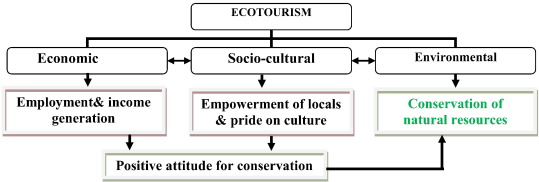
Moreover, sustainable tourism offers numerous benefits beyond economic development, including environmental conservation, cultural preservation, and community empowerment. As the global population continues to grow, it’s essential that we prioritize these values in our travel choices and support initiatives that promote responsible tourism practices.
Frequently Asked Questions
- What is sustainable tourism?
Sustainable tourism refers to travel practices that minimize environmental impact, support local economies, and promote cultural heritage. - How can I make my vacation more sustainable?
To make your vacation more sustainable, choose eco-friendly accommodations, support local businesses, and respect cultural traditions. - What role do regulations play in shaping sustainable tourism policies?
Regulations can play a significant role in controlling the growth of tourism and protecting local communities and environments. - How effective is the Pro-Poor Partnership model for promoting sustainable tourism?
The Pro-Poor Partnership has been shown to be highly effective in promoting responsible tourism practices that benefit local communities. - What are some common pitfalls to avoid when planning a sustainable vacation?
Common pitfalls include supporting all-inclusive resorts, choosing touristy areas over local neighborhoods, and ignoring cultural sensitivities. - How can I verify the sustainability of a tour operator or resort?
To verify the sustainability of a tour operator or resort, look for certifications such as eco-labels or locally managed accommodations. - What is the impact of mass tourism on local communities?
Mass tourism can lead to over-tourism, displacement of local residents, and strain on local resources. - How can tourists support local communities while maintaining their own vacation budget?
Tourists can support local communities by choosing locally-owned accommodations, eating at local restaurants, and shopping from local artisans.
Case Studies
- Costa Rica: Sustainable Tourism and Community Development
Costa Rica has been a pioneer in sustainable tourism, with a focus on eco-lodges, wildlife conservation, and community engagement. The country’s innovative approach to tourism development has helped to protect its natural resources and promote cultural heritage. - Rwanda: Wildlife Conservation and Community Empowerment
Rwanda has made significant strides in promoting sustainable tourism practices that benefit local communities. By focusing on wildlife conservation and community empowerment, the country aims to create a more equitable and environmentally conscious industry.
Best Practices
- Support Local Businesses: Choose locally-owned accommodations, eat at local restaurants, and shop from local artisans.
- Engage with Communities: Participate in traditional activities, support community projects, and respect cultural traditions.
- Choose Eco-Friendly Accommodations: Opt for environmentally friendly hotels, resorts, or lodges that minimize waste and promote sustainable practices.
- Respect Cultural Heritage: Learn about local customs, traditions, and history to gain a deeper appreciation for the place you visit.
By embracing these best practices and supporting initiatives that promote responsible tourism practices, we can create a more equitable and environmentally conscious industry that benefits everyone involved.


