
In today’s world, the term “ecosystem” is often overused, finding its way into various fields such as finance, sociology, and even education. However, when it comes to understanding what an ecosystem truly means and why preserving them is crucial, we need to dive deeper.
What is an Ecosystem?
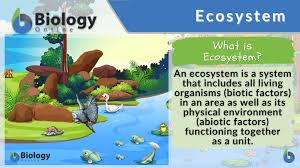
An ecosystem, in its simplest form, is a community of living organisms (plants, animals, fungi, etc.) interacting with each other and their environment, adapting to changes over time. The key aspect of an ecosystem is the interconnectedness between all components, including both living and non-living elements like water, soil, and sunlight.
Characteristics of a Healthy Ecosystem
For an ecosystem to thrive, it must possess certain characteristics:
- Open System: An ecosystem must interact with its external environment through exchanges, such as nutrient cycling or energy transfer.
- Interconnectedness: All components within an ecosystem are connected, influencing each other’s behavior and survival.
- Biotic Components: Ecosystems consist of both living organisms (plants and animals) and non-living elements like water, soil, and sunlight.
- Dynamical Equilibrium: Ecosystems have a balance between the various components, which can shift over time.
Types of Ecosystems
There are two primary types of ecosystems:
-
Natural Ecosystems: These occur naturally, without human intervention, and can be further divided into:
- Forest ecosystems (temperate, tropical, boreal)
- Savannas
- Steppes
- Deserts
- Tundras
- Aquatic ecosystems (marine, freshwater)
-
Artificial Ecosystems: These are created by humans and rely on our intervention:
- Urban ecosystems
- Industrial ecosystems
- Rural ecosystems
- Agricultural ecosystems
Threatened Ecosystems
While natural ecosystems can be thriving, human activities often disrupt their balance, leading to problems for the inhabitants:
- Deforestation: Destroying forests, harming animals and plants that depend on them.
- Pollution: Harmful waste and chemicals can contaminate water sources, soil, and air.
Ecosystems in Italy
Italy is home to a diverse range of ecosystems, including marine and terrestrial reserves recognized by UNESCO:
- 13 Biosphere Reserves in Italy
- 651 Biosphere Reserves worldwide
These protected areas serve as models for preserving the balance between nature and human activity, ensuring that future generations can thrive.
Examples of Ecosystem Disruption
Understanding the impact of ecosystem disruption is vital to address the issue:
- Climate Change: Rising temperatures and changing precipitation patterns affect ecosystems across the globe.
- Overfishing: Overexploitation of marine resources threatens the health of aquatic ecosystems.
- Habitat Fragmentation: Human activities lead to the loss of habitats, isolating species and disrupting ecosystem balance.
Role of Biodiversity in Ecosystems
Biodiversity plays a crucial role in maintaining healthy ecosystems:
- Ecosystem Services: Biodiverse ecosystems provide essential services like clean air, water, and soil formation.
- Adaptation and Resilience: Diverse ecosystems are better equipped to withstand climate change and other disturbances.
Impact of Ecosystem Disruption on Human Health
Human health is closely linked to ecosystem health:
- Waterborne Diseases: Contaminated water sources can lead to outbreaks of diseases like cholera and typhoid fever.
- Food Security: Ecosystem disruption affects crop yields, food availability, and nutritional quality.
- Mental Health: Exposure to pollution and habitat destruction can have devastating effects on mental well-being.
Conclusion
Understanding the concept of an ecosystem is vital for preserving our planet’s delicate balance. By recognizing the interconnectedness of living and non-living elements and the importance of maintaining a healthy balance within ecosystems, we can work towards creating a more sustainable future for all.
Frequently Asked Questions (FAQs)
- What is the primary characteristic that defines an ecosystem?
- The primary characteristic of an ecosystem is its interconnectedness between living organisms and their environment.
- How many Biosphere Reserves are there in Italy?
- There are 13 Biosphere Reserves recognized by UNESCO in Italy.
- What is the main reason for deforestation, and how does it impact ecosystems?
- Deforestation occurs primarily due to human activities like agriculture, urbanization, and logging, which can lead to habitat loss and disrupt the balance of ecosystems.
- How do artificial ecosystems differ from natural ones?
- Artificial ecosystems are created by humans and rely on our intervention, while natural ecosystems occur naturally without human influence.
- What is the role of UNESCO’s Biosphere Reserves program in protecting ecosystems?
- The Biosphere Reserves program helps protect sensitive ecosystems by promoting sustainable development and conservation practices.
- How can we contribute to preserving ecosystem balance?
- We can make a positive impact by adopting environmentally friendly practices, supporting conservation efforts, and reducing our carbon footprint.
- What is the significance of maintaining ecological balance in human settlements?
- Maintaining ecological balance in urban areas is crucial for ensuring clean air and water, mitigating climate change, and preserving biodiversity.
By asking these questions and understanding the importance of ecosystems, we can take steps towards creating a more sustainable future for all.


