
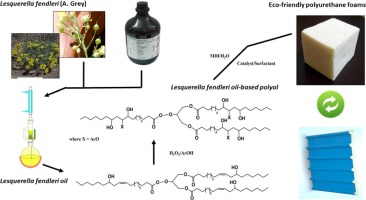
As we go about our daily lives, it’s easy to overlook the materials that surround us. But have you ever stopped to think about the impact those materials have on our environment? One material in particular has been a topic of concern for many years: polyurethane. While it may seem like an innocuous substance, polyurethane has a number of drawbacks when it comes to its environmental impact.
In this article, we’ll delve into the world of sustainable polyurethane and explore what makes it so special. We’ll also examine some of the alternative materials that are being used in place of traditional polyurethane, and how they can help reduce our ecological footprint.
What is Polyurethane?
Before we dive into the details of sustainable polyurethane, let’s take a brief look at what polyurethane actually is. Polyurethane is a synthetic material made up of a variety of chemicals, including diisocyanates and polyols. When these chemicals are combined, they form a polymer that can be molded into a wide range of shapes and forms.
Polyurethane has been used in everything from furniture to insulation, and it’s often chosen for its durability and versatility. But as we’ll see later on, this material also has some significant drawbacks when it comes to its environmental impact.
The Problem with Polyurethane
So what’s the big deal about polyurethane? Well, for one thing, it’s not biodegradable. This means that once polyurethane is used and discarded, it can take hundreds of years to decompose. And even then, it doesn’t really break down – it just gets broken down into smaller pieces that can still cause harm to the environment.
But that’s not all. Polyurethane is also made from non-renewable resources like petroleum, which means that its production contributes to greenhouse gas emissions and climate change. And when polyurethane is disposed of at the end of its life, it often ends up in landfills or incinerators, where it can cause problems for local ecosystems.
Sustainable Polyurethane: An Eco-Friendly Alternative
So what’s a person to do? While traditional polyurethane may not be the most eco-friendly option, there are certainly some alternatives that can help reduce our environmental impact. In this section, we’ll explore three potential substitutes for traditional polyurethane:
- Oils from plants: Researchers have been working on developing new materials made from oils extracted from plants like linseed and olive oil. These oils can be molded into a variety of shapes and forms, making them a great alternative to traditional polyurethane.
- Cellulose: Cellulose is a natural material that’s found in plant cell walls. When combined with other chemicals, it can form a durable and versatile material that’s similar to polyurethane. And the best part? Cellulose is biodegradable, making it a much more eco-friendly option.
- Sugar-based materials: In recent years, scientists have been working on developing new materials made from sugar. These materials have some surprising properties – they’re flexible, durable, and even resistant to flames!
These are just a few examples of the many sustainable alternatives to traditional polyurethane that are out there. By choosing eco-friendly options for our products and packaging, we can help reduce waste and minimize harm to the environment.
Applications of Polyurethane
Polyurethane has been used in a wide range of applications throughout history, from furniture to insulation, and it’s often chosen for its durability and versatility. Here are just a few examples:
- Furniture: Polyurethane is often used to make furniture that’s durable and long-lasting. From sofas to chairs to tables, polyurethane can be molded into a variety of shapes and forms.
- Insulation: Polyurethane is also commonly used in insulation products like foam board and spray foam. These materials are great at keeping buildings warm in the winter and cool in the summer.
- Sports equipment: Polyurethane has been used in everything from soccer balls to skateboard decks. It’s lightweight, durable, and resistant to wear and tear.
While polyurethane has many useful properties, it also has some drawbacks when it comes to its environmental impact. By exploring sustainable alternatives like oils from plants, cellulose, and sugar-based materials, we can help reduce waste and minimize harm to the environment.
Benefits of Sustainable Polyurethane
Sustainable polyurethane offers a number of benefits over traditional polyurethane. Some of these include:
- Reduced environmental impact: By choosing sustainable alternatives to traditional polyurethane, we can significantly reduce our ecological footprint.
- Lower costs: Many sustainable materials are cheaper than traditional polyurethane, making them a cost-effective option for businesses and consumers alike.
- Improved performance: Sustainable materials can offer improved performance characteristics, such as increased durability and resistance to wear and tear.
Challenges of Sustainable Polyurethane
While sustainable polyurethane offers many benefits, there are also some challenges associated with its production and use. Some of these include:
- Higher production costs: While many sustainable materials are cheaper than traditional polyurethane, some can be more expensive to produce.
- Limited availability: Some sustainable materials may not be widely available, which can make it difficult for businesses and consumers to access them.
- Lack of standardization: The production process for sustainable polyurethane can vary depending on the manufacturer, which can make it difficult to compare products.
The Future of Sustainable Polyurethane
As demand for sustainable materials continues to grow, we can expect to see new and innovative applications for sustainable polyurethane. Some potential future developments in this area include:
- New production methods: Researchers are working on developing new production methods that can make sustainable polyurethane more efficient and cost-effective.
- Improved performance characteristics: Scientists are working on improving the performance characteristics of sustainable polyurethane, such as its durability and resistance to wear and tear.
- Increased availability: As demand for sustainable materials continues to grow, we can expect to see more manufacturers offering sustainable polyurethane products.
Conclusion
In conclusion, sustainable polyurethane is an eco-friendly alternative to traditional polyurethane. By choosing sustainable alternatives like oils from plants, cellulose, and sugar-based materials, we can help reduce waste and minimize harm to the environment. While there are some challenges associated with the production and use of sustainable polyurethane, they are largely outweighed by its benefits.
As demand for sustainable materials continues to grow, we can expect to see new and innovative applications for sustainable polyurethane in the future. Whether you’re a business or consumer, choosing eco-friendly options is an important step towards creating a more sustainable future.
References:
- “Biodegradable Polyurethane Materials” by the Washington State University School of Mechanical and Materials Engineering
- “Cellulose-Based Polyurethane for Sustainable Insulation” by the Politecnico di Torino
- “Sugar-Based Materials for Sustainable Packaging” by the University of California, Berkeley


