
The need to protect our planet’s health has infected even the world of design, with sustainable home decor becoming increasingly popular. Eco-friendly furniture is made from environmentally friendly materials and produced using low-impact technologies. In this article, we’ll delve into the key materials to look for and certifications to check.
What Makes an Eco-Friendly Home Decor?
The Italian Institute for Environmental Certification (ICEA) has established a Mobile Ecological Standard. To determine whether your home decor is eco-friendly, we’ll examine these essential criteria:
Materials
Eco-friendly furniture must be made from 100% recyclable materials.
- Materials that can be used include:
- Wood
- Bamboo
- Rattan
- Linen
- Cotton
- Recycled plastic
- Cardboard
- Steel
However, the following materials are not allowed:
- Aluminum
Modularity
Movable parts and components must be designed to facilitate easy disassembly and recycling.
Production Process
The production process must adhere to low-impact environmental standards. This includes:
- Using non-toxic materials for adhesives and coatings
- Implementing CO2-neutral technologies or carbon offsetting
Certifications: A Guide
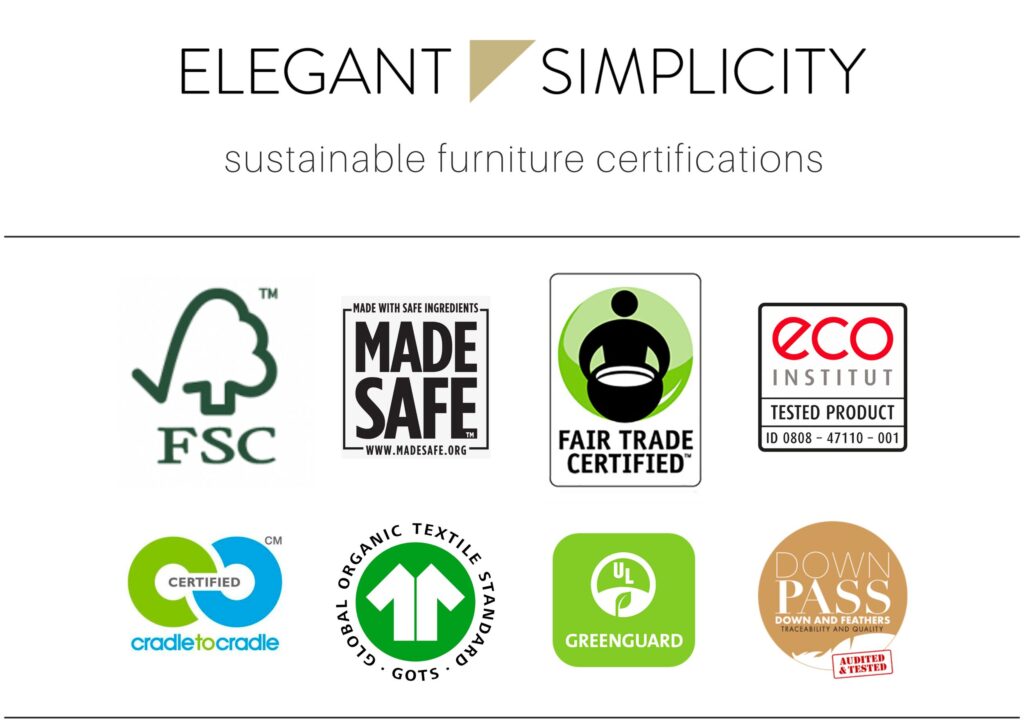
To ensure your eco-friendly furniture meets the required standards, look for these certifications:
FSC (Forestry Stewardship Council)
The FSC certification guarantees that the wood used in your furniture comes from sustainably managed forests. This includes forests with high conservation value and those where human rights have not been violated.
Other forestry certifications include PEFSC and UFAM, which also ensure responsible forestry practices.
Certification SA 8000
This certification ensures that your factory follows strict labor standards and provides a safe working environment for employees.
UNI EN ISO 14001:2004
This environmental management standard certifies that your factory has implemented effective measures to reduce its ecological footprint.
Best Practices for Sustainable Home Decor
To create an eco-friendly home, follow these tips:
- Opt for products with low transportation emissions by choosing local or European manufacturers.
- Prioritize quality over quantity: fewer, higher-quality items can have a smaller environmental impact than a large number of cheaper alternatives.


