
When it comes to building materials, sustainability is no longer just an afterthought; it’s a necessity. The construction industry has long been criticized for its environmental impact, and it’s time for change. One innovative solution that could revolutionize the way we build is sustainable cement made from rice waste.
In this article, we’ll delve into the world of eco-friendly building materials, explore the potential of rice waste as a sustainable resource, and examine the groundbreaking research behind rice husk ash (RHA) cement. We’ll also discuss the environmental benefits, applications, and future directions for this technology.
The Importance of Sustainable Building Materials
As we strive to reduce our carbon footprint and mitigate climate change, it’s essential to rethink our building practices. Traditional materials like wood, steel, and concrete have significant environmental drawbacks, from deforestation to waste generation. Eco-friendly building materials offer a more sustainable alternative, but they can be expensive and difficult to produce.
Rice, an abundant resource in many parts of the world, holds significant potential as a sustainable material. Paddy straw, rice husk ash, and other byproducts can be repurposed into innovative products that reduce waste and minimize environmental harm.
The Rice Waste Connection: Unlocking the Potential
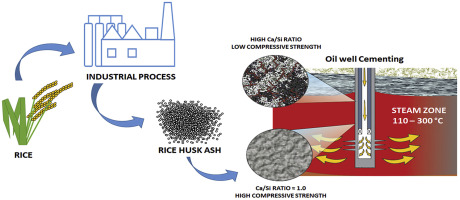
Rice waste is generated during the rice milling process, resulting in substantial amounts of paddy straw and rice husk ash (RHA). While traditional agriculture often discards these materials as waste, modern technology can transform them into valuable resources. By harnessing the potential of RHA, researchers have created a sustainable cement that’s free from excess carbon deposits.
The Science Behind Rice Husk Ash Cement
A team of innovative researchers has made significant breakthroughs in developing eco-friendly cement using RHA. Their discovery involves isolating carbon content through combustion, removing impurities, and heating the material to high temperatures (around 800°C) in oxygen-free environments. This process eliminates any remaining carbon dioxide, resulting in a new conglomerate cement that’s rich in silicon dioxide and free from excess carbon.
Environmental Benefits: A New Era for Sustainable Building
If this technology is scaled up, it could lead to a significant reduction in CO2 emissions from construction. By substituting at least 20% of traditional cement with eco-friendly cement, we can make a substantial impact on the environment. This innovative solution offers several benefits:
- Reduced greenhouse gas emissions: The production process eliminates excess carbon dioxide, and the cement’s lower carbon content reduces its overall environmental footprint.
- Increased energy efficiency: By using RHA as a substitute for traditional cement, construction projects can reduce their reliance on fossil fuels, resulting in lower energy consumption.
- Waste reduction: Rice husk ash is often discarded as waste; by repurposing it into cement, we minimize the amount of waste generated during rice milling.
A More Sustainable Future: Applications and Opportunities
As we look to the future of building materials, sustainable cement from rice waste represents a promising opportunity for innovation. This technology offers:
- Reduced construction costs: Eco-friendly cement can be used in combination with other sustainable materials to create cost-effective construction solutions.
- Increased resistance to corrosion: The unique properties of RHA-based cement make it more resistant to corrosion and degradation, reducing maintenance needs.
- Improved building performance: Sustainable cement can improve building durability, thermal mass, and insulation properties.
Conclusion
In conclusion, the development of sustainable cement from rice waste is an exciting breakthrough that could revolutionize the construction industry. By harnessing the potential of RHA and embracing innovative technologies like this rice waste-to-cement process, we’re one step closer to creating a more eco-friendly future for generations to come.
Frequently Asked Questions (FAQs)
- What are the potential applications of sustainable cement made from rice waste?
This technology offers numerous possibilities, including construction projects, infrastructure development, and building renovations. - Is the production process energy-intensive?
While significant energy input is required, researchers are optimistic about scaling up this technology to make it more efficient. - What are the next steps for this technology?
Further research and development are necessary to overcome any remaining challenges and ensure large-scale adoption. - Can sustainable cement be used in combination with other eco-friendly building materials?
Yes, this technology offers a promising opportunity for integrating multiple sustainable materials into construction projects. - What role can policymakers play in promoting the adoption of sustainable cement?
Policymakers can create incentives for companies to invest in sustainable technologies and provide funding for research and development initiatives.
Conclusion: A New Era for Sustainable Building
As we look to the future of building materials, it’s clear that sustainable cement from rice waste represents a significant breakthrough. By embracing innovative technologies like this rice waste-to-cement process, we can create a more eco-friendly construction industry that minimizes environmental harm and promotes sustainability.
We’re excited to see where this technology takes us and hope that our readers will join the journey towards a more sustainable future for generations to come.


