
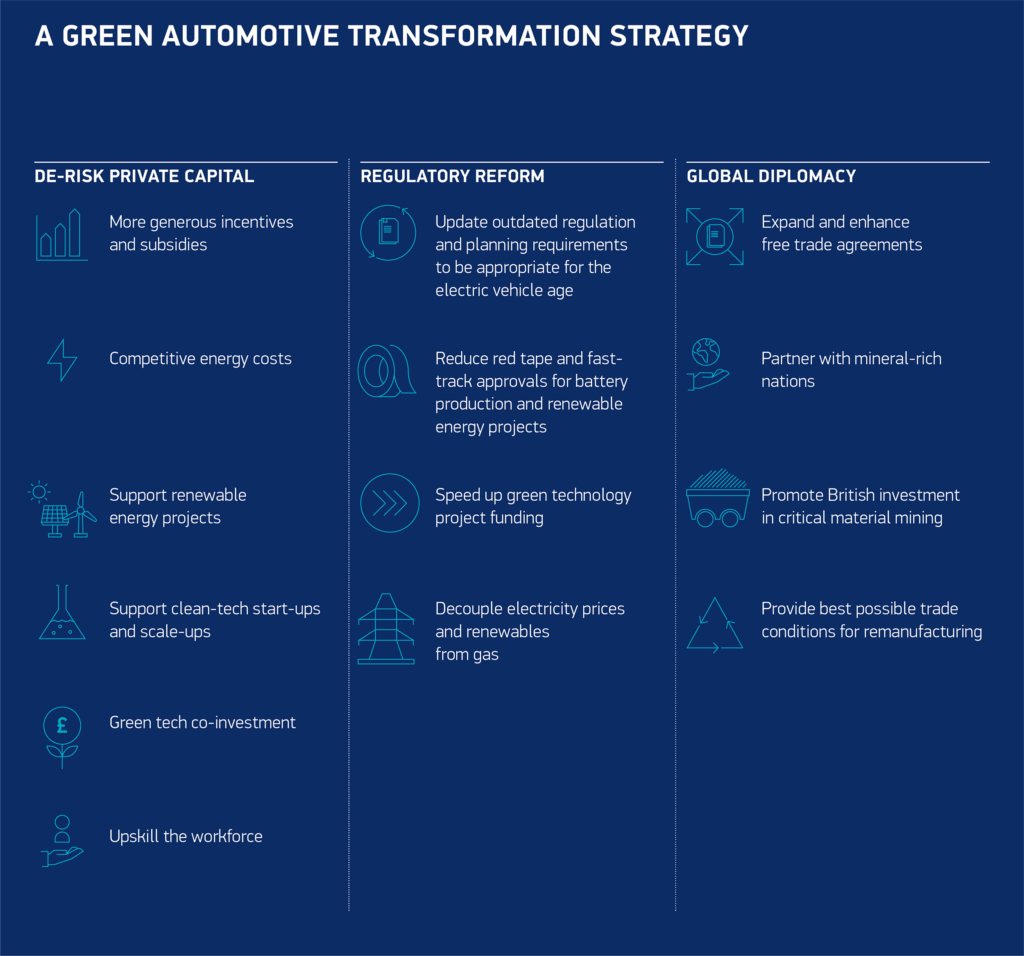
As of March 14, 2013, a new era began in the automotive world. The state started offering incentives for buying low-emission vehicles, marking a significant step towards reducing carbon emissions. But what exactly does this mean, and how can you take advantage of these benefits? In this article, we’ll delve into the world of electric incentives and explore what it means for car buyers.
Understanding Electric Incentives
So, what are electric incentives, and why were they introduced? The answer lies in the government’s efforts to reduce carbon emissions. By providing incentives for low-emission vehicles, the state aims to encourage car manufacturers to produce more eco-friendly cars. This not only benefits the environment but also offers car buyers a range of attractive benefits.
Eligibility Criteria
Before we dive into the details, let’s look at the eligibility criteria for electric incentives. To receive the incentive, you’ll need to purchase a new car that meets specific emissions standards. The registration must take place within 90 days of signing a contract after March 14. This means you can’t just buy a used car or an import from abroad and expect to qualify.
Emissions Standards
So, what kind of emissions standards are we talking about? The state requires cars to have carbon dioxide emissions of no more than 95 g/km. This may seem like a relatively low threshold, but it’s actually quite stringent. To put it into perspective, the average car emits around 150-200 g/km of CO2.
Used Cars and Kilometer Zero
Unfortunately, used cars and kilometer-zero vehicles are not eligible for incentives. If you’re in the market for a pre-owned car, you might want to consider other options. However, if you’re looking to upgrade your vehicle, there are still plenty of low-emission options available.
Car Models Eligible for Incentives
So, which car models qualify for electric incentives? The list is quite extensive, and we’ve included some of the most popular models below:
- Chevrolet Volt
- Citroen C zero
- Citroen DS5 Hibrid4
- Fiat Panda (methane)
- Lancia Ypsilon (methane)
- Lexus CT 200h
- Mitsubishi I-MiEV
- Nissan Leaf
- Opel Ampera
- Peugeot Ion
- Renault Fluence
- Seat Mii (methane)
- Skoda Citigo (methane)
- Toyota Yaris
- Toyota Auris
- Toyota Prius
- Volkswagen Up (methane)
Incentive Amounts
So, how much can you expect to save with these incentives? The answer depends on the emissions level of your chosen car. For cars emitting CO2 up to 50 g/km, the state contribution is 20% of the purchase price, capped at €5,000. For cars emitting CO2 up to 95 g/km, the state contribution is 20% of the purchase price, capped at €4,000.
Funding Restrictions
However, there’s a catch: the fund for electric incentives is running out of money. In 2013, the allocated amount for private individuals was just €4.5 million, with a total budget of €35.5 million for company vehicles and business assets. Once these funds are exhausted, there will be no more incentives.
Dealership Discounts
Another important note: the incentive should not replace discounts or promotions offered by the dealership or manufacturer in the absence of incentives. Make sure to check what other deals are available before making your purchase decision.
Update Notes
As with any government initiative, there may be updates and changes over time. We’ve included some notable updates below:
- 2016: The state announced plans to extend the electric incentive scheme until 2020.
- 2017: The fund for private individuals was fully depleted, but company vehicles and business assets are still eligible.
Conclusion
The introduction of electric incentives has marked a significant shift in the automotive industry. By providing benefits for low-emission vehicles, the state is encouraging car manufacturers to produce more eco-friendly cars. While there are restrictions on funding, it’s still an exciting time for car buyers looking to make a sustainable purchase.
Frequently Asked Questions
-
Q: What is the deadline for purchasing a new car to qualify for electric incentives?
A: The registration must take place within 90 days of signing a contract after March 14. -
Q: Which car models are eligible for electric incentives?
A: We’ve included some of the most popular low-emission vehicles in our list, but you can find more information on the official government website. -
Q: Can I use my own money to purchase a car and still receive an incentive?
A: No, the state contribution is only available for cars that meet the eligibility criteria and are registered within the specified timeframe. -
Q: Are used cars eligible for electric incentives?
A: Unfortunately, no. Used cars do not qualify for incentives, but you can explore other options like leasing or purchasing a new car. -
Q: How much is the maximum incentive amount for cars emitting CO2 up to 50 g/km?
A: €5,000. -
Q: What is the current funding status of electric incentives?
A: The fund is running out of money, with an allocated amount of €4.5 million for private individuals in 2013. -
Q: Can I use my incentive to purchase a used car or import from abroad?
A: No, these options are not eligible for incentives. -
Q: Will electric incentives be continued beyond 2013?
A: We can’t predict the future, but we’ll keep an eye on updates and changes over time.
Tips for Maximizing Your Incentive
- Research, research, research: Make sure you’re buying a car that meets the eligibility criteria and has a reasonable price tag.
- Compare prices: Look at prices from different dealerships to ensure you’re getting the best deal.
- Consider leasing: If you can’t afford a new car, consider leasing a low-emission vehicle instead.
- Check for additional incentives: Some manufacturers offer additional incentives or discounts on certain models, so be sure to check their websites.
Conclusion
The introduction of electric incentives has marked a significant shift in the automotive industry. By providing benefits for low-emission vehicles, the state is encouraging car manufacturers to produce more eco-friendly cars. While there are restrictions on funding, it’s still an exciting time for car buyers looking to make a sustainable purchase. With careful planning and research, you can take advantage of these incentives and drive away in a fuel-efficient, environmentally friendly vehicle.


