
As we go about our daily lives, it’s easy to get caught up in the hustle and bustle of eating out and ordering takeout. But have you ever stopped to think about what happens to the leftovers from your meals? In many cases, food waste is a major issue in restaurants and households alike. It’s estimated that one-third of all food produced worldwide is lost or wasted.
But there’s hope on the horizon. In Italy, a movement called “Eco-Vaschette” (or eco-containers) is gaining traction, aimed at reducing food waste and promoting sustainable eating practices. So, what exactly are Eco-Vaschette, and how can you start using them to make a difference?
The Problem of Food Waste
Food waste is a significant issue in Italy, with an estimated 10 million tons of food being thrown away each year. This not only has environmental implications but also contributes to the economic burden on households and restaurants.
In the United States, the problem is just as prevalent. The average American household throws away around 40% of its food, which amounts to approximately $1,500 per year.
The Solution: Eco-Vaschette
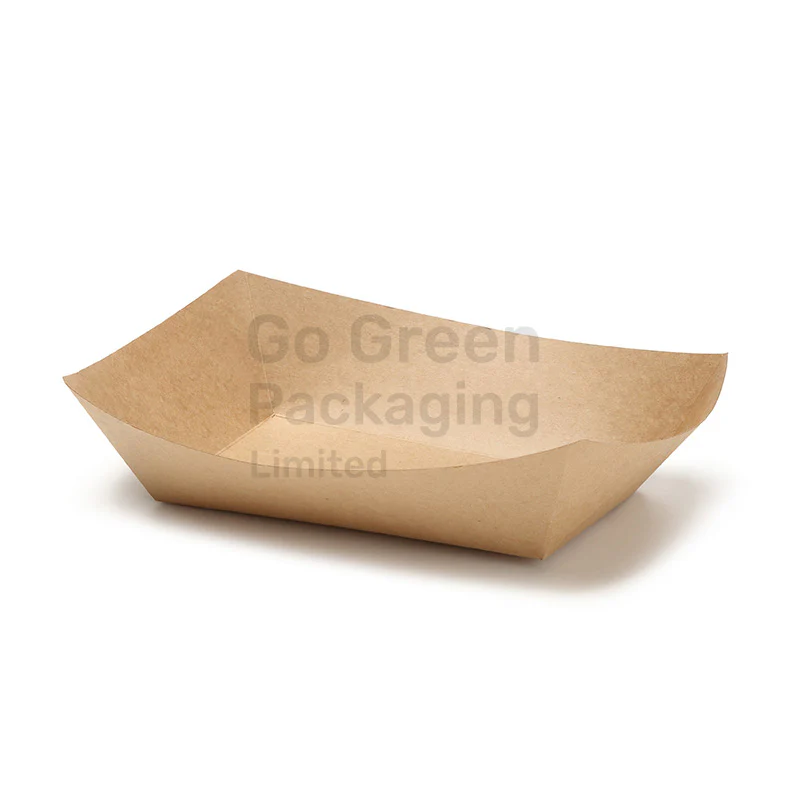
Eco-Vaschette are specially designed containers that allow consumers to take leftovers home and store them safely. These containers are made from eco-friendly materials, such as biodegradable plastics or paper, and are designed for easy transportation and storage.
The idea behind Eco-Vaschette is simple: by providing a safe and convenient way to store leftovers, consumers can reduce the amount of food waste generated in restaurants and households. This not only helps the environment but also saves consumers money on food waste disposal.
How Eco-Vaschette Work
Eco-Vaschette are typically provided by restaurants or catering services at no additional cost to customers. Once a customer receives their Eco-vaschetta, they simply place it in the container and take it home.
The containers come with a small manual that provides guidelines for storing and reheating food safely. This includes tips on how to store leftovers in the refrigerator or freezer, as well as how to reheat food without compromising its quality.
Key Rules for Using Eco-Vaschette
To ensure safe storage and handling of food, there are several key rules to follow when using Eco-Vaschette:
- Store the container in a cool, dry place during transportation
- Do not leave the container unattended for more than 1 hour
- Keep the container closed until you’re ready to consume the contents
- Avoid heating the container or its contents in an oven or on a stovetop
- Consume leftovers within 24 hours of receiving the Eco-vaschetta, except for desserts and cheeses which can be stored at room temperature
Benefits of Using Eco-Vaschette
Using Eco-Vaschette offers several benefits for consumers, including:
- Reduced food waste: By storing leftovers safely, consumers can reduce their environmental impact
- Cost savings: Consumers can save money on food waste disposal and storage
- Convenience: Eco-Vaschette provide a convenient way to take leftovers home without hassle
Conclusion
Reducing food waste is a simple yet effective way to make a positive impact on the environment. By using Eco-Vaschette, consumers can help reduce their environmental footprint while also saving money and reducing food waste.
So next time you’re at a restaurant or ordering takeout, don’t be afraid to ask for an Eco-vaschetta. Your wallet – and the planet – will thank you!
Frequently Asked Questions
- What is an Eco-Vaschette?
An Eco-Vaschette is a specially designed container that allows consumers to store leftovers safely. - How do I use an Eco-Vaschette?
To use an Eco-Vaschette, simply place it in the container and take it home. Follow the guidelines provided with the container for safe storage and handling of food. - What materials are Eco-Vaschette made from?
Eco-Vaschette are typically made from eco-friendly materials such as biodegradable plastics or paper. - Can I use an Eco-Vaschette for non-food items?
No, Eco-Vaschette are designed specifically for food storage and should not be used for storing non-food items.
The Rise of Eco-Vaschette in Italy
In recent years, the Italian government has implemented several initiatives aimed at reducing food waste. One of these initiatives is the “Eco-Vaschette” program, which was launched in 2018 with the goal of reducing food waste by 50% over the next five years.
The Eco-Vaschette program provides free containers to consumers and restaurants, as well as education and training on how to use them safely. The program has been a huge success, with many Italian cities adopting it as part of their own sustainable eating initiatives.
Other Initiatives to Reduce Food Waste
In addition to the Eco-Vaschette program, there are several other initiatives aimed at reducing food waste in Italy. Some of these include:
- Food Recovery Programs: Many restaurants and grocery stores in Italy have implemented food recovery programs, which aim to reduce food waste by donating excess food to local charities and food banks.
- Composting Initiatives: Composting is becoming increasingly popular in Italy, with many households and businesses starting their own composting initiatives to reduce food waste.
- Sustainable Eating Education: Many schools and community organizations in Italy are offering educational programs aimed at teaching people how to eat more sustainably. These programs cover topics such as reducing food waste, using up leftovers, and buying locally sourced produce.
Conclusion
Reducing food waste is a simple yet effective way to make a positive impact on the environment. By using Eco-Vaschette and participating in other initiatives aimed at reducing food waste, consumers can help reduce their environmental footprint while also saving money and reducing food waste.
So next time you’re at a restaurant or ordering takeout, don’t be afraid to ask for an Eco-vaschetta. Your wallet – and the planet – will thank you!


