
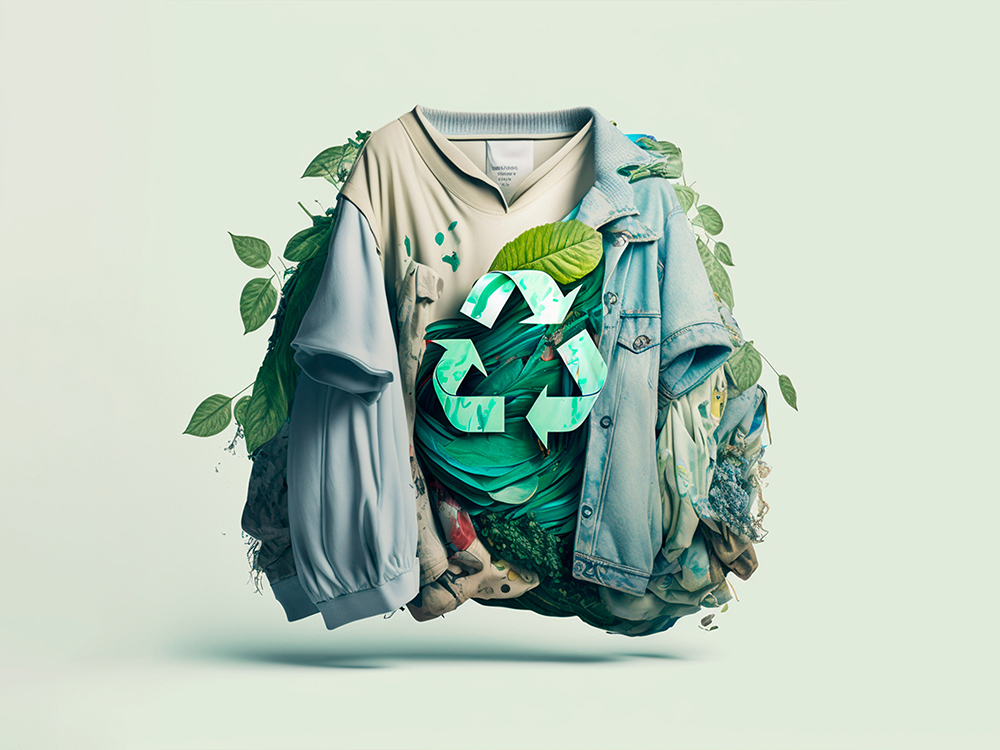
As consumers, we’ve grown accustomed to a throwaway society where waste is viewed as nothing more than a minor inconvenience. However, the fashion industry’s rapid consumption and disposal of materials have taken a devastating toll on our planet. It’s time to rethink this approach and embrace a new era of sustainability – Eco Fashion.
What is Eco Fashion?
Eco Fashion refers to the practice of creating clothing and accessories that prioritize environmental sustainability. This movement seeks to minimize waste, reduce pollution, and promote responsible consumption. By adopting eco-friendly practices, we can significantly decrease the fashion industry’s ecological footprint.
In recent years, there has been a growing trend towards sustainable fashion, with consumers becoming increasingly aware of the environmental impact of their purchasing decisions. Eco Fashion is not just about saving the planet; it’s also about creating stylish and high-quality clothing that lasts longer and reduces waste.
The Circular Economy in Fashion: Nothing is Created, Nothing is Destroyed
At its core, Eco Fashion is about embracing a circular economy model. This concept posits that materials are constantly cycled back into production, reducing waste and the need for new resources. In the fashion industry, this means upcycling – creatively reusing discarded materials to create something new and valuable.
The circular economy model has been around for decades, but it’s only recently gained traction in the fashion industry. By adopting this approach, we can significantly reduce our environmental impact and promote sustainable consumption habits.
Recycled Textiles: From Fabric Scraps to High-Quality Fabrics
One of the most significant contributors to textile waste is fabric scraps from clothing production. However, these scraps can be transformed into high-quality fabrics using innovative techniques like recycling and upcycling.
For instance, some companies are now using recycled plastics to create 100% eco-friendly nylon. This process involves collecting plastic waste from oceans and landfills, breaking it down into tiny pieces, and then spinning it into yarn. The resulting fabric is just as durable and versatile as traditional nylon, but with a significantly reduced environmental footprint.
Ecological Nylon: From Plastic Waste to Sustainable Fabric
Plastic waste has become a significant problem in our oceans and ecosystems. However, this waste can also be transformed into ecological fabrics like nylon.
Some companies are now using recycled plastic from products like fishing nets, bottles, or other items that have reached the end of their life cycle as a material for creating 100% eco-friendly nylon. This process involves collecting plastic waste, breaking it down into tiny pieces, and then spinning it into yarn.
Food Scraps to Produce Clothing: The Next Frontier in Eco Fashion
Innovative entrepreneurs are now exploring unconventional materials for clothing production. One such example is using cellulose obtained from fruit waste to produce ecological fabrics.
This initiative highlights the potential for food scraps to be repurposed into sustainable fashion products. Cellulose, a natural polymer found in plant cell walls, can be extracted from fruit waste and then transformed into fabric through a process called biochemical conversion.
Cigarette Butts: From Trash to Treasure
Another surprising use of discarded materials in Eco Fashion is cigarette butts. These small, seemingly insignificant items can be transformed into fabric after undergoing a sterilization and sanitization process.
The resulting fabric has a unique rustic style that can be used for various clothing applications, from casual wear to high-end fashion. By repurposing cigarette butts, we can significantly reduce waste and promote sustainable consumption habits.
The Power of Upcycling: A Way of Life
Upcycling is not just a technique – it’s a mindset. By adopting this approach, we can significantly reduce our environmental impact and promote sustainable consumption habits.
Citizens can contribute to the Eco Fashion movement by participating in initiatives like Swap Parties or creatively reusing old clothes. These small actions may seem insignificant on their own, but collectively they can make a significant difference in reducing waste and promoting sustainability.
Case Studies: Successful Eco Fashion Initiatives
There are many successful eco fashion initiatives around the world that demonstrate the potential of sustainable fashion to transform trash into treasure.
One such example is the “Trash 2 Treasure” program in Australia. This initiative collects discarded materials from local communities, sorts them by type, and then repurposes them into unique clothing and accessories.
Another example is the “Eco Fashion Challenge” hosted by the Fashion Revolution movement. This challenge encourages designers to create sustainable fashion products using recycled materials, upcycled textiles, or other eco-friendly materials.
The Future of Eco Fashion: Challenges and Opportunities
While there have been significant advancements in eco fashion, there are still many challenges to overcome before this industry can truly transform trash into treasure.
One of the biggest challenges is scaling up production. Currently, most eco fashion initiatives are small-scale operations that struggle to meet demand for sustainable products.
However, as consumers become increasingly aware of the environmental impact of their purchasing decisions, we can expect to see a surge in demand for sustainable products.
Conclusion: A New Era for Sustainable Fashion
The rise of Eco Fashion marks a significant shift towards sustainability in the fashion industry. By embracing circular economy principles, upcycling, and innovative materials, we can create a more environmentally friendly future.
As consumers, it’s our responsibility to demand sustainable practices from manufacturers and adopt eco-friendly habits ourselves. We must also support initiatives that promote sustainable fashion and encourage innovation in this field.
Frequently Asked Questions:
- Q: What is Eco Fashion?
A:** Eco Fashion refers to the practice of creating clothing and accessories that prioritize environmental sustainability. - Q: How does upcycling contribute to Eco Fashion?
A:** Upcycling involves creatively reusing discarded materials to create something new and valuable, reducing waste and promoting sustainable consumption habits. - Q: Can recycled plastics be used as a material for creating eco-friendly fabrics?
A:** Yes, some companies are now using recycled plastics to create 100% eco-friendly nylon and other fabrics. - Q: How can citizens contribute to the Eco Fashion movement?
A:** Citizens can participate in initiatives like Swap Parties or creatively reuse old clothes to reduce waste and promote sustainable consumption habits. - Q: What is the circular economy model, and how does it apply to fashion?
A:** The circular economy model involves constantly cycling back materials into production, reducing waste and promoting responsible consumption. - Q: Can food scraps be used as a material for clothing production?
A:** Yes, innovative entrepreneurs are now exploring unconventional materials like cellulose obtained from fruit waste to produce ecological fabrics. - Q: What is the significance of upcycling in Eco Fashion?
A:** Upcycling is not just a technique – it’s a mindset that promotes sustainable consumption habits and reduces environmental impact. - Q: How can consumers promote sustainable practices in the fashion industry?
A:** Consumers can demand sustainable practices from manufacturers, adopt eco-friendly habits, and participate in initiatives like Swap Parties to reduce waste and promote sustainable consumption habits.


