
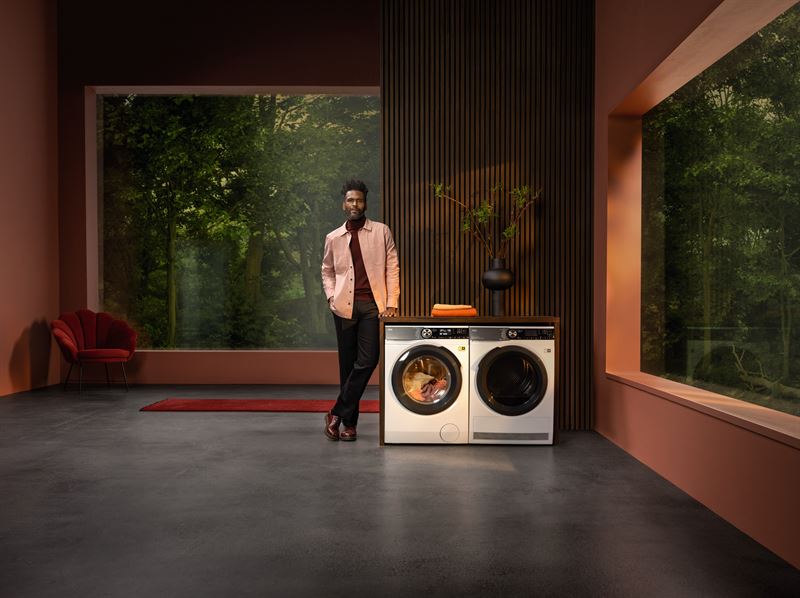
When it comes to buying new household appliances, Italians are increasingly considering the environmental impact of their purchases. The desire for eco-friendly products has become a key factor in the decision-making process for many consumers. As technology continues to advance and environmental concerns grow, it’s likely that this trend will only continue to gain momentum.
But what drives this trend? A recent study conducted by Samsung and Human Highway found that 95% of Italian households consider eco-friendliness to be an essential characteristic when purchasing a new household appliance. This preference is not limited to younger generations; it’s a phenomenon that transcends age groups, with the majority of respondents citing energy savings as their top priority.
The Benefits of Eco-Friendly Elettrodomestici
So, what exactly do Italians mean by “eco-friendly”? In this context, eco-friendliness refers to the ability of an appliance to reduce energy consumption and minimize waste. When it comes to choosing a household appliance, consumers are willing to pay a premium for products that not only save energy but also provide other benefits, such as saving time and space.
The study found that the majority of respondents (62%) cited energy savings as their primary reason for choosing an eco-friendly appliance, followed by time-saving (39.5%), and space-saving (38.6%). Additionally, 27% of households surveyed mentioned that they prioritize eco-friendliness because it aligns with their personal values.
Age and Gender Differences in Eco-Friendly Preferences
Interestingly, age and gender also play a significant role in shaping consumer preferences when it comes to eco-friendly household appliances. For example, households with multiple children, typically led by women aged 40-50, are more likely to prioritize energy savings (38.6%). On the other hand, younger generations (under 35) tend to focus on space-saving features.
In contrast, older consumers (over 55) are less concerned about energy efficiency and more focused on sustainability. Women in this age group are particularly important in understanding the importance of eco-friendly appliances, with 64.8% citing time-saving as a key factor in their purchasing decisions.
The Willingness to Pay More for Eco-Friendly Appliances
When it comes to budgeting for eco-friendly household appliances, Italians are willing to spend more money upfront if they believe it will lead to long-term savings. A staggering 50% of households surveyed claimed to be willing to pay a premium for eco-friendly appliances, with nearly 40% of this group believing that an additional 10% would not significantly impact their purchasing decisions.
In fact, the study found that 25% of households surveyed were willing to spend up to €500 more on an eco-friendly appliance if it meant reducing their energy consumption by 20%. This willingness to pay a premium is likely driven by the long-term benefits of eco-friendly appliances, such as reduced energy bills and lower environmental impact.
Conclusion
The green preferences of Italians are clear: when it comes to buying household appliances, consumers prioritize eco-friendliness above all else. From energy savings to space-saving features, the benefits of eco-friendly products have become a key consideration for many consumers. As technology continues to advance and environmental concerns grow, it’s likely that this trend will only continue to gain momentum.
Trends in Eco-Friendly Elettrodomestici
The growing demand for eco-friendly household appliances is driving innovation in the industry. Manufacturers are responding by developing products that not only reduce energy consumption but also promote sustainability.
For example, Samsung’s new line of Energy Star certified refrigerators features advanced insulation technology and smart home integration, allowing consumers to monitor their energy usage remotely. Similarly, Whirlpool’s eco-friendly washing machines use advanced water-saving technologies to minimize waste and reduce energy consumption.
Innovations in Eco-Friendly Elettrodomestici
The development of eco-friendly household appliances is not limited to traditional manufacturers. Start-ups and smaller companies are also playing a significant role in innovating the industry. For example, a recent study by BloombergNEF found that start-up companies are driving innovation in the clean energy sector, with 70% of respondents citing sustainability as a key factor in their product development.
Innovations such as advanced materials, smart home integration, and energy-harvesting technologies are being developed to reduce waste and minimize environmental impact. For example, a new line of eco-friendly air conditioners features advanced heat exchangers that use up to 50% less energy than traditional models.
Challenges in the Eco-Friendly Elettrodomestici Market
While there is growing demand for eco-friendly household appliances, there are still challenges to overcome. One of the main barriers to adoption is the high upfront cost of eco-friendly products, which can be prohibitively expensive for many consumers.
Additionally, there are concerns about the recyclability and sustainability of some eco-friendly appliances, particularly those made with advanced materials such as rare earth metals. Manufacturers must prioritize responsible sourcing and recycling practices to address these concerns.
Conclusion
The green preferences of Italians are clear: when it comes to buying household appliances, consumers prioritize eco-friendliness above all else. As technology continues to advance and environmental concerns grow, it’s likely that this trend will only continue to gain momentum.
Manufacturers must respond by innovating their products and prioritizing sustainability in product development. Start-ups and smaller companies are driving innovation in the industry, but more needs to be done to address the challenges of high upfront costs and sustainable materials sourcing.
Frequently Asked Questions
- What percentage of Italian households consider eco-friendliness an essential characteristic when purchasing a household appliance?
Answer: 95% - What is the primary reason for choosing an eco-friendly appliance among Italian consumers?
Answer: Energy savings - Which age group prioritizes energy efficiency the most?
Answer: Households with multiple children (40-50 years old) - Do younger generations prioritize space-saving features over energy efficiency?
Answer: Yes, households under 35 - How willing are Italian consumers to pay more for eco-friendly household appliances?
Answer: 50% of households surveyed claimed to be willing to spend more money upfront - What is the percentage of Italian households that prioritize time-saving features when choosing an appliance?
Answer: 64.8% (women aged 40-50) - Which age group is less concerned about energy efficiency and more focused on sustainability?
Answer: Households over 55 - Do older consumers have a different attitude towards eco-friendly appliances compared to younger generations?
Answer: Yes, with women in this age group prioritizing time-saving features


