
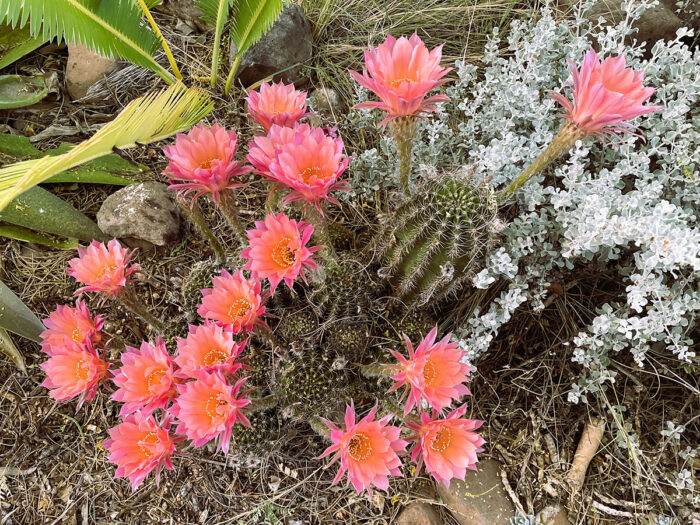
Are you fascinated by the unique appearance of Echinopsis plants? Often referred to as “cactus-like” plants, they’re actually succulents that have evolved to thrive in arid environments. In this article, we’ll delve into the characteristics, cultivation, and species of Echinopsis, providing you with a comprehensive guide to these intriguing plants.
What is an Echinopsis Plant?
Echinopsis plants belong to the Cactaceae family, which includes over 1,500 species of cacti and succulents. These plants are characterized by their rounded or globular stems, often covered in sharp spines that serve as a defense mechanism against predators.
Characteristics of Echinopsis Plants
Echinopsis plants have several distinctive features:
- Spines: The leaves of these plants are actually modified spines that cover the entire stem. These spines can be quite long and are used to conserve water.
- Stems: The stems of Echinopsis plants are typically globular or rounded, with a diameter of up to 12 inches (30 cm).
- Roots: Unlike other cacti, Echinopsis plants have shallow roots that grow just below the surface of the soil. This allows them to absorb moisture and nutrients from the surrounding environment.
- Flowers: Echinopsis plants produce showy flowers in shades of white, pink, or purple, which bloom for only a few days.
Cultivating Echinopsis Plants
To keep your Echinopsis plant healthy and thriving, follow these guidelines:
- Lighting: Provide bright, indirect light for 4-6 hours per day. Direct sunlight can cause the leaves to become scorched.
- Watering: Water sparingly, allowing the soil to dry out completely between waterings. Overwatering is a common mistake that can lead to root rot and other problems.
- Temperature: Keep the temperature between 65°F (18°C) and 75°F (24°C). Avoid placing the plant near heating vents or radiators.
- Fertilization: Feed your Echinopsis plant with a balanced, water-soluble fertilizer during the growing season (spring-fall).
- Repotting: Repot your Echinopsis plant every 2-3 years to provide fresh soil and a larger pot if necessary.
Species of Echinopsis Plants
There are over 70 species of Echinopsis plants, each with its unique characteristics. Some popular species include:
- E. Leucantha: This species is known for its white flowers and compact growth habit.
- E. Mamillosa: This species has a distinctive “helmet-like” shape and produces pink or white flowers.
- E. Tubiflora: This species has long, thin stems that produce small, yellow flowers.
Propagation of Echinopsis Plants
Propagating Echinopsis plants can be done using seeds or cuttings. Here are some steps to follow:
- Seeds: Plant the seeds in well-draining soil and keep them moist until they germinate.
- Cuttings: Take a cutting from the mother plant, remove the lower leaves, and plant it in well-draining soil.
Pest Control
Echinopsis plants can be susceptible to pests like mealybugs, spider mites, and scale insects. Here are some methods for controlling these pests:
- Isolate: Isolate the affected area from other plants to prevent the spread of pests.
- Spray with water: Spray the plant with a fine mist of water to dislodge any pests that may be present on the surface.
Common Problems
Echinopsis plants can be susceptible to common problems like overwatering, underwatering, and nutrient deficiency. Here are some methods for addressing these issues:
- Overwatering: Reduce watering frequency and allow the soil to dry out completely between waterings.
- Underwatering: Increase watering frequency, but make sure not to overwater.
- Nutrient deficiency: Feed your Echinopsis plant with a balanced, water-soluble fertilizer during the growing season.
Conclusion
Echinopsis plants are fascinating succulents that offer a unique blend of beauty and practicality. By understanding their characteristics, cultivation requirements, and species, you can create a thriving environment for these plants to flourish.
FAQs
- How often should I water my Echinopsis plant?
- What is the ideal temperature range for an Echinopsis plant?
- Can I propagate my Echinopsis plant using seeds or cuttings?
- How do I care for my Echinopsis plant during the winter months?
- Are Echinopsis plants toxic to pets and humans?
Q: How often should I water my Echinopsis plant?
A: Water your Echinopsis plant sparingly, allowing the soil to dry out completely between waterings.
Q: What is the ideal temperature range for an Echinopsis plant?
A: Keep the temperature between 65°F (18°C) and 75°F (24°C).
Q: Can I propagate my Echinopsis plant using seeds or cuttings?
A: Both seed propagation and cutting propagation are viable methods, but seedlings may take longer to mature.
Q: How do I care for my Echinopsis plant during the winter months?
A: Reduce watering to once every 4-6 weeks, as the plant is dormant during this time.
Q: Are Echinopsis plants toxic to pets and humans?
A: While the spines can be irritating, they are not typically toxic. However, it’s always a good idea to keep an eye on your pets around these plants.
By understanding the characteristics, cultivation requirements, and species of Echinopsis plants, you can create a thriving environment for these fascinating succulents to flourish.


