
Introduction
If you’re looking for a low-maintenance cactus that’s perfect for indoor spaces, the echinocactus is an excellent choice. Native to the desert regions of Central America and Southwestern United States, this succulent plant has adapted to thrive in harsh environments. In this article, we’ll explore the characteristics of the echinocactus, its care requirements, and some interesting facts about this unique cactus.
Characteristics of the Echinocactus
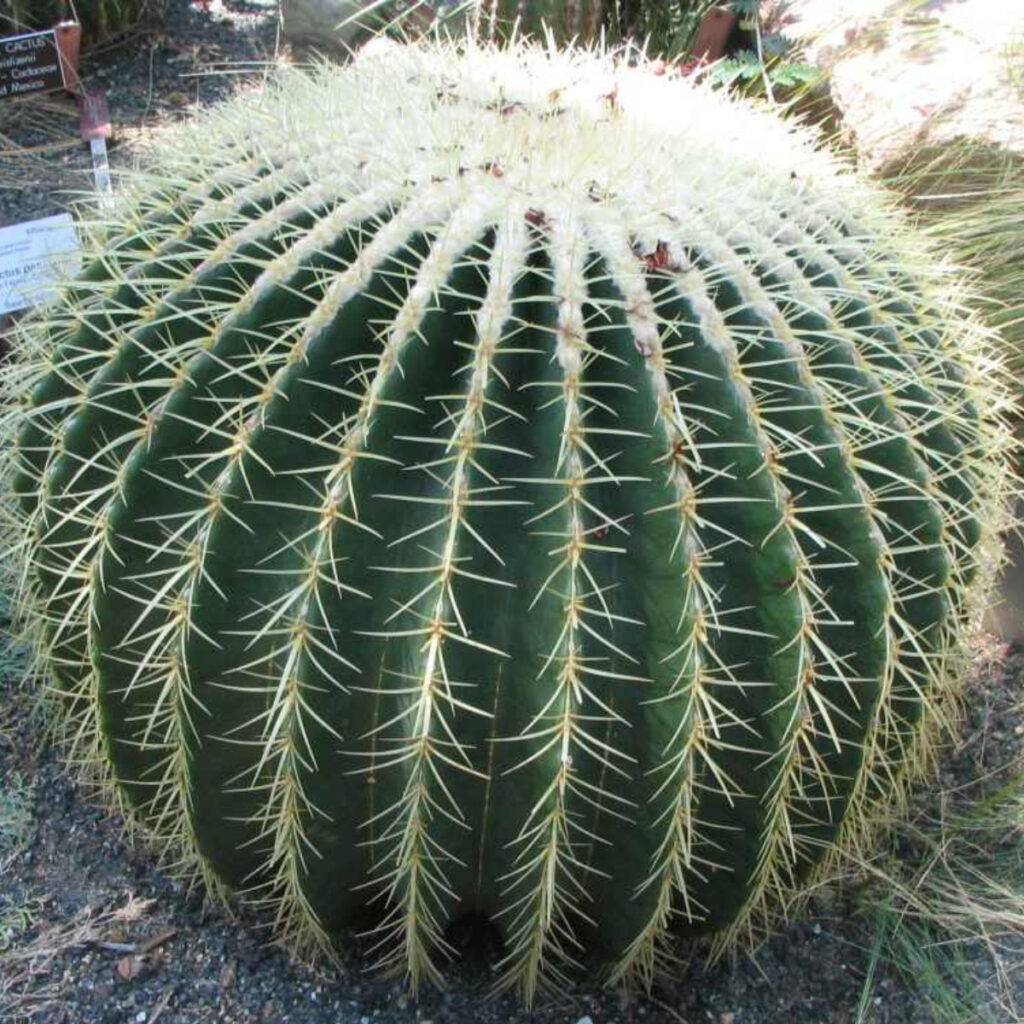
The echinocactus is a type of cactus that belongs to the Cactaceae family. It’s also known as the “couch potato” due to its ability to store water in its stems. This plant can grow up to 1-2 meters tall and has a round, globular shape with vertical spines. The spines are yellow or golden in color and are quite robust. The leaves are small and function to reduce water loss while having hairy patches on top.
One of the unique characteristics of echinocactus is its ability to store water in its stems. This adaptation allows it to survive for long periods without rain, making it an ideal plant for areas with low rainfall. Echinocacti can also produce offsets or “pups” that grow around the base of the mother plant, allowing it to spread and multiply.
How to Care for an Echinocactus
To keep your echinocactus happy and healthy, follow these care tips:
Exposure and Temperature
Echincactus love bright sunlight, making it perfect for indoor spaces with plenty of natural light. However, direct exposure to cold temperatures (below 7°C) can be detrimental. Keep the plant away from drafts and maintain a consistent temperature between 15-25°C.
It’s also important to note that echinocacti require a period of cold winter temperatures to induce flowering. This process is called “vernalization” and can take several months. During this time, the plant will stop growing and produce flowers in the spring.
Soil and Potting
Use a pot that’s at least 10-30 cm in diameter and has good drainage holes. A mix of cactus soil, perlite, and sand is ideal. Avoid using regular potting soil, as it can retain too much water. Repot the plant every year in the spring to refresh the soil.
When repotting, make sure to handle the roots gently and avoid damaging them. This will help prevent root rot and ensure the plant continues to thrive.
Watering
Overwatering is the most common cause of death for echinocacti. Water your plant only when the soil is dry to the touch. Reduce watering in winter months and avoid getting water on the plant’s spines.
To check if the soil is dry, insert your finger into the soil up to the first knuckle. If the soil feels dry, it’s time to water. If not, wait a few more days before checking again.
Fertilization
Feed your echinocactus with a balanced, water-soluble fertilizer during the growing season (March-August). Dilute the fertilizer to half the recommended strength to prevent burning the roots.
It’s also important to note that echinocacti don’t require much fertilizer. In fact, overfertilizing can be detrimental to the plant’s health. Stick to a balanced fertilizer and avoid using high-nitrogen fertilizers.
Propagation
Propagate your echinocactus by collecting seeds or allowing it to produce offsets. These offsets can be separated and potted up to create new plants.
Collecting seeds is a bit more challenging, but the reward is worth it. Seeds typically take 1-2 months to germinate, so be patient and provide them with adequate light and water.
Common Pests and Diseases
Keep an eye out for pests like mealybugs, spider mites, and scale insects. Regularly inspect your plant and treat any infestations promptly. As for diseases, echinocacti are generally resistant but may develop fungal infections if the environment is too humid or if water is overused.
To prevent pest and disease issues, make sure to:
- Inspect your plant regularly
- Keep the plant away from pests and insects
- Use a well-draining potting mix
- Avoid getting water on the plant’s spines
- Prune any damaged or diseased areas
Interesting Facts
Here are some fun facts about the echinocactus:
- The name “echinocactus” comes from the Greek word “Echinos,” meaning “thistle.”
- This cactus has been known to live up to 100 years in captivity.
- Echinocacti have a unique, long-lasting flower that blooms for several weeks.
- These flowers are highly attractive and can bloom in shades of pink, yellow, and white.
Conclusion
The echinocactus is a low-maintenance cactus perfect for indoor spaces. By following the care tips outlined above and providing the right environment, you can enjoy this beautiful plant’s unique characteristics and benefits. With proper care, your echinocactus will thrive and provide years of enjoyment.
Frequently Asked Questions (FAQs)
- Q: What is the ideal temperature for an echinocactus?
A: The ideal temperature range for an echinocactus is between 15-25°C (59-77°F). - Q: How often should I water my echinocactus?
A: Water your echinocactus only when the soil is dry to the touch, usually every 1-2 weeks in spring and summer. - Q: Can I grow echinocacti indoors?
A: Yes, echinocacti can thrive indoors with proper care and a bright, sunny location. - Q: How do I propagate an echinocactus?
A: You can propagate an echinocactus by collecting seeds or allowing it to produce offsets, which can be separated and potted up. - Q: What are the common pests and diseases affecting echinocacti?
A: Common pests include mealybugs, spider mites, and scale insects, while fungal infections can occur if the environment is too humid. - Q: How long do echinocacti live?
A: Echinocacti can live up to 100 years in captivity with proper care. - Q: What are the unique characteristics of echinocactus flowers?
A: The flower of an echinocactus is unique, long-lasting, and blooms for several weeks.
Tips for Growing Echinocactus
Here are some additional tips for growing echinocactus:
- Use a well-draining potting mix to prevent waterlogged soil.
- Avoid overwatering and underwatering your plant.
- Provide bright, indirect light during the summer months.
- Reduce watering in winter months when the plant is dormant.
- Prune any damaged or diseased areas to prevent pest and disease issues.
By following these tips and providing proper care, you can enjoy a thriving echinocactus that will bring joy and beauty to your home.


