
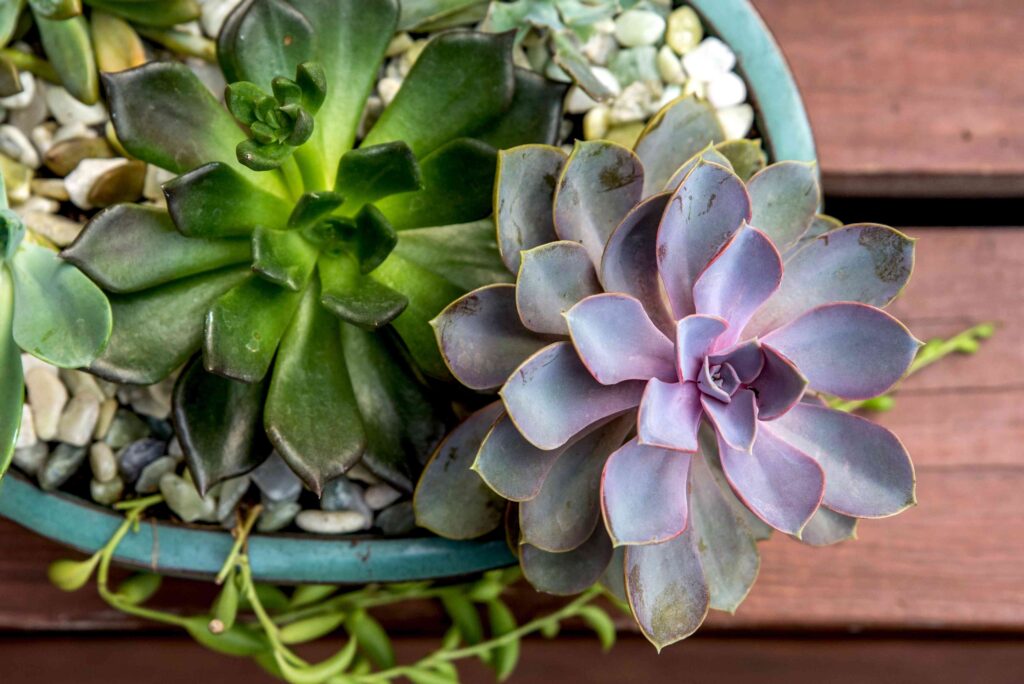
Echeveria, a name that echoes with the beauty and diversity of succulent plants from Central and Southern America. These incredible plants have captivated gardeners and enthusiasts alike due to their vibrant colors, compact growth habit, and low-maintenance requirements. But what sets Echeveria apart? Let’s delve into the world of these fascinating plants.
The Echeveria Family
Echeveria is a genus that boasts over 100 species, each with its unique characteristics and features. These succulents are known for their rosettes of fleshy leaves, which come in various shapes, sizes, and colors. From the delicate oval-shaped leaves to the robust triangular ones, every plant in this family has its own distinct charm.
Some popular Echeveria varieties include:
- Echeveria ‘Agavoide’: Known for its striking red leaves that turn a reddish hue when exposed to sunlight.
- Echeveria ‘Purpusorum’: Characterized by its waxy, candle-like leaves and vibrant pink flowers.
- Echeveria ‘Miranda’: A delicate variety with thick, fleshy leaves and a distinctive white-gray coating that protects it from frost.
- Echeveria ‘Lilacina’: A stunning plant featuring large, triangular leaves in shades of green and purple.
Growing Echeveria: A Low-Maintenance Delight
One of the main reasons why Echeveria is loved by many is its ease of cultivation. These plants thrive in well-draining soil and full sun to partial shade, making them perfect for indoor or outdoor gardens. To care for your Echeveria:
- Provide sufficient light: Ensure that your plant receives at least 4-6 hours of direct sunlight per day.
- Water sparingly: Allow the soil to dry completely between waterings, as overwatering can lead to root rot.
- Fertilize occasionally: Feed your Echeveria with a balanced fertilizer during the growing season (spring and summer) to promote healthy growth.
Caring for Your Echeveria
While Echeveria is known for its low-maintenance requirements, it does need some TLC. Here are some additional tips to keep your plant happy and thriving:
- Protect from frost: Keep your Echeveria in a protected area or bring it indoors during the winter months to prevent damage from frost.
- Prune regularly: Remove any dead or damaged leaves to maintain the plant’s appearance and promote healthy growth.
Buying an Echeveria
If you’re new to succulent gardening, consider starting with a set of three plants. This will give you a chance to experience the beauty and diversity of the Echeveria family. When purchasing an Echeveria:
- Choose a well-draining potting mix: Ensure that the soil is free from rocks and other debris.
- Select a healthy plant: Look for plants with bright, vibrant colors and firm, compact growth.
Sowing Echeveria Seeds
For those who prefer to grow their own Echeveria from seed, here are some tips:
- Use fresh seeds: Select seeds that have been stored properly in an airtight container.
- Follow proper sowing procedures: Plant the seeds on a well-draining surface and maintain a consistent temperature.
Frequently Asked Questions
Here are some answers to common questions about Echeveria:
Q: How often should I water my Echeveria?
A: Water your Echeveria sparingly, allowing the soil to dry completely between waterings.
Q: Can I grow Echeveria outdoors year-round?
A: While Echeveria can tolerate full sun, it’s best grown indoors or in a protected area during the winter months to prevent damage from frost.
Q: How do I care for my Echeveria when it’s producing flowers?
A: When your Echeveria is in bloom, provide it with even more light and water carefully to avoid damaging the delicate flowers.
Propagation Techniques
Echeveria can be propagated through leaf cuttings or division. Here are some steps to follow:
- Take leaf cuttings: Choose healthy leaves with a small amount of stem attached. Allow them to dry for a few days before planting.
- Plant leaf cuttings: Place the cut end in well-draining soil and water sparingly until roots develop.
- Divide plants: Carefully separate the plant into smaller sections, making sure each section has at least one “eye” (a small growth on the stem).
Pest and Disease Management
Echeveria is generally pest- and disease-free, but it’s still important to monitor your plant for any signs of trouble. Here are some common pests and diseases to watch out for:
- Mealybugs: Small, white insects that feed on plant sap.
- Spider mites: Tiny, spider-like creatures that feed on plant sap.
- Root rot: A fungal disease that causes the roots to rot.
Common Echeveria Problems
While Echeveria is generally a hardy plant, it can still experience some common problems. Here are some tips for dealing with these issues:
- Overwatering: If your Echeveria is experiencing root rot or other problems caused by overwatering, stop watering immediately and allow the soil to dry out.
- Underwatering: If your plant is experiencing yellowing leaves or other signs of underwatering, increase water frequency gradually until the plant recovers.
Echeveria in Winter
While Echeveria can tolerate some frost, it’s still important to protect it from extreme cold. Here are some tips for keeping your plant healthy during the winter months:
- Bring indoors: If possible, bring your Echeveria indoors to a bright, sunny location.
- Use protection methods: Wrap the pot in a breathable material like burlap or cotton to protect the plant from frost.
- Provide supplemental lighting: If you’re unable to bring your Echeveria indoors, provide it with supplemental lighting using grow lights.
Echeveria and Propagation
Echeveria can be propagated through leaf cuttings, division, or seed. Here are some tips for each method:
- Leaf cuttings: Choose healthy leaves with a small amount of stem attached. Allow them to dry for a few days before planting.
- Division: Carefully separate the plant into smaller sections, making sure each section has at least one “eye” (a small growth on the stem).
- Seed: Sow seeds in well-draining soil and maintain a consistent temperature until roots develop.
Echeveria Cultivation
Echeveria can be grown in a variety of environments, from indoor pots to outdoor gardens. Here are some tips for cultivating your plant:
- Choose the right potting mix: Select a well-draining potting mix that’s free from rocks and other debris.
- Provide sufficient light: Ensure that your Echeveria receives at least 4-6 hours of direct sunlight per day.
- Water sparingly: Allow the soil to dry completely between waterings.
Echeveria in Containers
Echeveria can be grown in a variety of container sizes, from small pots to large planters. Here are some tips for cultivating your plant in containers:
- Choose the right pot size: Select a pot that’s at least 4-6 inches deep to accommodate the plant’s roots.
- Use a well-draining potting mix: Select a potting mix that drains excess water quickly.
- Provide sufficient light: Ensure that your Echeveria receives at least 4-6 hours of direct sunlight per day.
Echeveria and Companions
Echeveria can be grown with a variety of companions to enhance its appearance and growth. Here are some tips for choosing the right companions:
- Choose low-growing plants: Select plants that grow slowly or don’t compete with Echeveria for resources.
- Select plants with different textures: Combine Echeveria with plants that have different textures, such as succulents or ferns.
Echeveria in Winter Gardens
While Echeveria can tolerate some frost, it’s still important to protect it from extreme cold. Here are some tips for keeping your plant healthy during the winter months:
- Bring indoors: If possible, bring your Echeveria indoors to a bright, sunny location.
- Use protection methods: Wrap the pot in a breathable material like burlap or cotton to protect the plant from frost.
Echeveria and Propagation
Echeveria can be propagated through leaf cuttings, division, or seed. Here are some tips for each method:
- Leaf cuttings: Choose healthy leaves with a small amount of stem attached. Allow them to dry for a few days before planting.
- Division: Carefully separate the plant into smaller sections, making sure each section has at least one “eye” (a small growth on the stem).
- Seed: Sow seeds in well-draining soil and maintain a consistent temperature until roots develop.
Echeveria in Winter Containers
While Echeveria can tolerate some frost, it’s still important to protect it from extreme cold. Here are some tips for keeping your plant healthy during the winter months:
- Bring indoors: If possible, bring your Echeveria indoors to a bright, sunny location.
- Use protection methods: Wrap the pot in a breathable material like burlap or cotton to protect the plant from frost.
Echeveria and Fertilization
Echeveria can benefit from occasional fertilization. Here are some tips for fertilizing your plant:
- Choose a balanced fertilizer: Select a fertilizer that’s balanced in terms of nitrogen, phosphorus, and potassium.
- Fertilize during the growing season: Feed your Echeveria with fertilizer during the spring and summer months when it’s actively growing.
Echeveria in Winter Gardens
While Echeveria can tolerate some frost, it’s still important to protect it from extreme cold. Here are some tips for keeping your plant healthy during the winter months:
- Bring indoors: If possible, bring your Echeveria indoors to a bright, sunny location.
- Use protection methods: Wrap the pot in a breathable material like burlap or cotton to protect the plant from frost.
Echeveria and Propagation
Echeveria can be propagated through leaf cuttings, division, or seed. Here are some tips for each method:
- Leaf cuttings: Choose healthy leaves with a small amount of stem attached. Allow them to dry for a few days before planting.
- Division: Carefully separate the plant into smaller sections, making sure each section has at least one “eye” (a small growth on the stem).
- Seed: Sow seeds in well-draining soil and maintain a consistent temperature until roots develop.


