
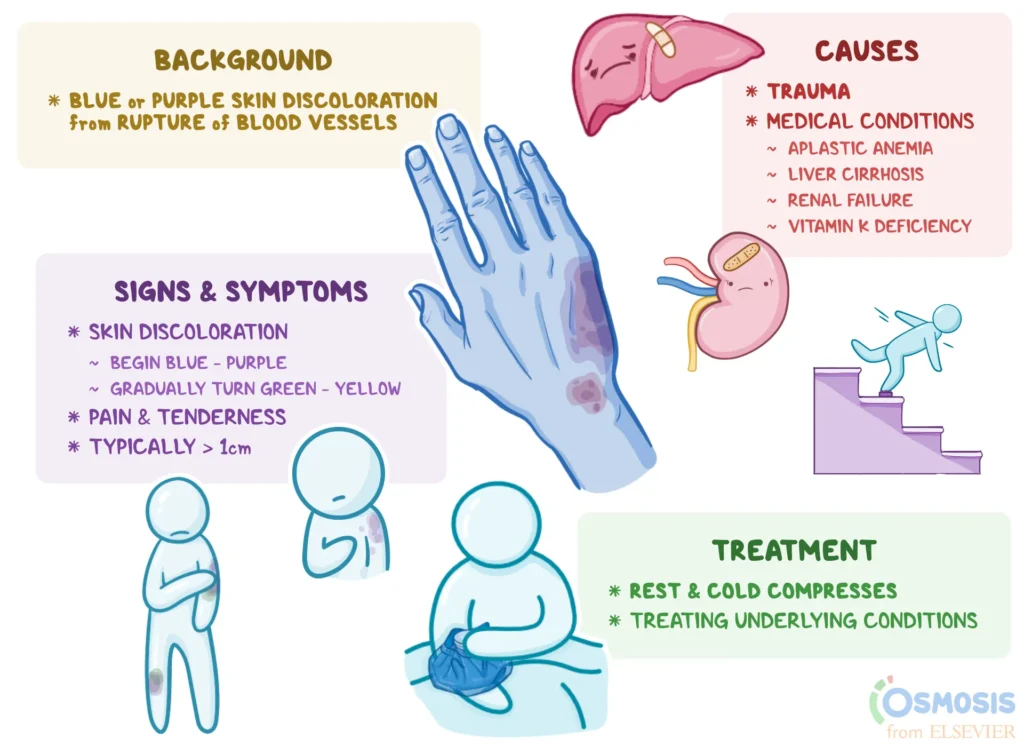
Hematomas are a common condition characterized by the formation of a bruise or discoloration on the skin’s surface. In this comprehensive article, we will delve into the causes, symptoms, diagnosis, treatment, and potential complications associated with hematomas.
What is a Hematoma?
A hematoma occurs when blood vessels near the skin’s surface are damaged, causing bleeding underneath the skin. This damage can be due to physical trauma, such as an impact or injury. The force of the impact opens up blood vessels, leading to blood loss and clotting under the skin.
How Does a Hematoma Form?
When blood vessels are damaged, they bleed into the surrounding tissue, creating a hematoma. As the body tries to stop the bleeding, platelets (also known as thrombocytes) enter the scene. These platelets play a crucial role in clotting and preventing further blood loss.
The Blood Clotting Process
When blood vessels are damaged, the body’s natural response is to form a clot to stop the bleeding. This process involves several steps:
- Platelet activation: Platelets are activated by the damage to the blood vessel, releasing chemicals that attract more platelets and other cells.
- Fibrin formation: The activated platelets release fibrinogen, which is converted into fibrin by an enzyme called thrombin. Fibrin forms a network of fibers that traps red blood cells and platelets, creating a clot.
- Coagulation cascade: The clotting process involves a series of chemical reactions that ultimately lead to the formation of a stable clot.
Symptoms of Hematomas
The primary symptom of a hematoma is the visible bruise or discoloration on the skin’s surface. The bruise can range in size, from a few millimeters to several centimeters in diameter. In some cases, the affected area may be painful to the touch, depending on the severity of the trauma.
Color Changes During Healing
The color of a hematoma can change as it heals. Generally, the progression of colors is as follows:
- Red or purple
- Black or blue
- Brown
- Yellow
It’s essential to note that not all hematomas are painful, especially those caused by minor trauma.
Causes of Hematomas
Hematomas can occur due to various reasons, including:
- Physical trauma (impact, fall, etc.)
- Poor circulation or blood clotting disorders
- Certain medical conditions (e.g., kidney disease, liver disease)
- Medications that affect blood clotting (e.g., warfarin)
Risk Factors
Some individuals are more prone to developing hematomas due to genetic predisposition, family history, or previous injuries. Women are also more likely to experience hematomas than men.
Women and Hematomas
Women are more likely to experience hematomas due to several factors, including:
- Higher levels of estrogen, which can affect blood clotting
- Increased risk of injury due to menstrual cramps or pelvic exams
- Greater likelihood of developing certain medical conditions, such as kidney disease or liver disease
Men and Hematomas
Men are less likely to experience hematomas due to several factors, including:
- Lower levels of estrogen, which can reduce the risk of blood clotting disorders
- Reduced risk of injury due to physical strength or athletic activities
- Greater likelihood of developing certain medical conditions, such as heart disease or high blood pressure
What to Do If You Notice Frequent Hematomas?
If you notice frequent or large hematomas, it’s crucial to consult with your doctor. They may recommend:
- Blood tests to check for underlying medical conditions
- Imaging tests (e.g., X-rays) to rule out other injuries
- Coagulation studies to evaluate blood clotting function
Diagnosing Hematomas
A healthcare professional can diagnose a hematoma by examining the affected area and checking for signs of trauma or bleeding. In some cases, imaging tests may be necessary to rule out other conditions.
Imaging Tests
Imaging tests, such as X-rays or ultrasound, may be used to:
- Rule out other injuries or conditions
- Evaluate the size and location of the hematoma
- Monitor the healing process
Treating Hematomas
Treatment for hematomas typically involves:
- Rest and ice to reduce swelling
- Compression bandages to apply pressure
- Pain management (e.g., medication, topical creams)
In severe cases, hospitalization may be required to monitor the patient’s condition and manage any underlying medical issues.
Complications of Hematomas
While hematomas are usually harmless, they can lead to complications if left untreated or if the underlying cause is not addressed. Potential complications include:
- Infection
- Blood clots (thrombosis)
- Organ damage
Preventing Complications
To prevent complications, it’s essential to:
- Seek medical attention if you notice frequent or large hematomas
- Follow your doctor’s instructions for treatment and care
- Maintain good hygiene and dress wounds properly
Conclusion
Hematomas are a common condition that can be caused by various factors, including physical trauma, medical conditions, and medications. By understanding the causes, symptoms, diagnosis, treatment, and potential complications associated with hematomas, you can take proactive steps to manage this condition.
Frequently Asked Questions (FAQs)
- What are the signs of a hematoma?
A bruise or discoloration on the skin’s surface, which may be painful to the touch. - Can hematomas be serious?
In most cases, no. However, if left untreated or if the underlying cause is not addressed, complications can occur. - How long do hematomas take to heal?
The healing time varies depending on the size and location of the hematoma. Generally, it takes several days to a few weeks for the bruise to fade. - Can I treat a hematoma at home?
Yes, you can apply rest, ice, compression bandages, and pain management measures to help manage symptoms. However, if you notice frequent or large hematomas, consult with your doctor. - Are there any medications that can increase the risk of developing hematomas?
Yes, certain medications such as warfarin, aspirin, and antibiotics may increase the risk of bleeding and hematoma formation. - Can I prevent hematomas from occurring?
While it’s impossible to completely eliminate the risk of hematomas, taking preventive measures such as wearing protective gear during sports or activities can help reduce the likelihood of injury. - How common are hematomas?
Hematomas are a relatively common condition, with estimates suggesting that up to 50% of adults will experience at least one hematoma in their lifetime.


