
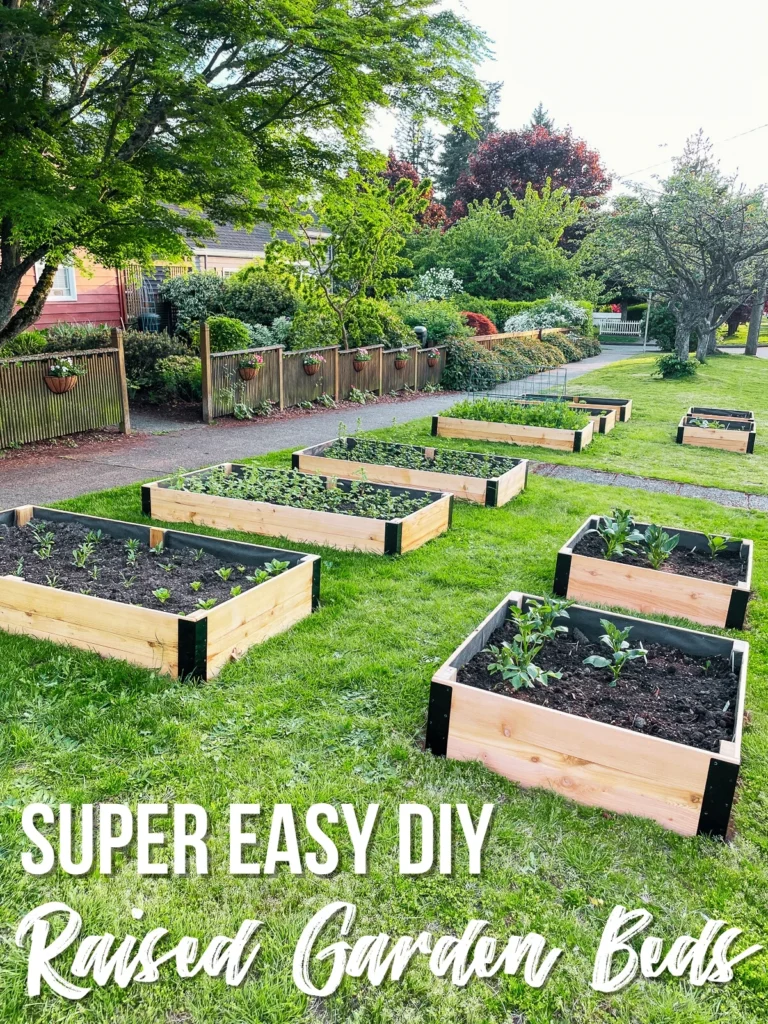
As the demand for fresh, locally-sourced produce continues to grow, more and more people are turning to raised garden beds as a way to cultivate their own food. But what makes a raised bed so special? And how can you create your own thriving outdoor space?
What is a Raised Garden Bed?
A raised garden bed is an elevated platform for growing plants, typically made of wood, stone, or other materials. Unlike traditional in-ground gardens, raised beds are designed to be self-contained and can be placed on a patio, balcony, or even a small yard.
Benefits of Raised Garden Beds
Raised beds offer several benefits for gardeners of all skill levels. They are:
- Easy to build: Raised beds can be constructed using simple materials like wood and stone, making them accessible to those who may not have experience with traditional gardening.
- Low maintenance: The raised design allows for better drainage and aeration, reducing the risk of waterlogged soil and root rot.
- Improved accessibility: Raised beds are perfect for gardeners with mobility issues, as they can be built at a comfortable height.
- Increased yields: By controlling factors like soil quality and moisture levels, raised beds can lead to increased crop yields and improved fruit quality.
Designing Your Raised Bed
Before you start building, consider the following design elements:
- Size and shape: Choose a size that suits your space and needs. Traditional rectangular shapes work well, but you can also experiment with square or circular designs.
- Material selection: Select materials that are durable, resistant to rot and insects, and easy to clean.
- Soil depth: Aim for a minimum of 6-8 inches deep to accommodate root growth and ensure good drainage.
Building Your Raised Bed
To build your raised bed, follow these steps:
- Plan your design: Determine the size, shape, and material selection based on your space and needs.
- Cut and assemble the frame: Use a saw or power tool to cut the wood into manageable pieces, then assemble the frame using screws or nails.
- Add the bottom layer: Attach a bottom layer of landscape fabric or weed barrier to prevent weeds from growing up through the bed.
- Fill with soil: Fill the bed with high-quality potting mix, leaving space for watering and mulching.
Adding Features and Finishing Touches
Once your raised bed is built, consider adding features like:
- Irrigation system: Install a drip irrigation system to conserve water and reduce evaporation.
- Treillage or obelisk: Add support for climbing plants with trellises or obelisks.
- Mulch or compost: Apply a layer of mulch or compost to retain moisture, suppress weeds, and regulate soil temperature.
Permaculture Raised Beds: A Sustainable Approach
For those interested in sustainable gardening practices, permaculture raised beds offer a unique approach. By incorporating natural materials like wood chips, leaves, and straw, you can create a self-sustaining ecosystem that requires minimal maintenance.
- Layer 1: Wood chips or mulch: Create a layer of organic material to regulate soil temperature and retain moisture.
- Layer 2: Leaves or straw: Add layers of decaying plant material to provide nutrients and suppress weeds.
- Layer 3: Compost: Apply a layer of mature compost to enrich the soil and support microbial activity.
Conclusion
Raised garden beds offer a unique opportunity for gardeners to cultivate their own food while enjoying the benefits of elevated gardening. By following these design and building tips, you can create your own thriving outdoor space that’s tailored to your needs and preferences.
Frequently Asked Questions
- What is the best type of wood for raised beds?
- Cedar or cypress are popular choices due to their natural resistance to rot and insects.
- How often should I water my raised bed?
- Check the soil moisture regularly, aiming for a balance between wetness and dryness. Water as needed, taking care not to overwater.
- What is the best way to control weeds in a raised bed?
- Use a combination of mulch, compost, and physical barriers like landscape fabric or weed barrier to suppress weed growth.
- Can I use a mix of different materials for my raised bed?
- Yes! Feel free to experiment with different materials and combinations to create a unique design that suits your needs.
- How long does it take for my raised bed to mature?
- The time it takes for your raised bed to mature will depend on factors like soil quality, climate, and plant selection. With proper care and maintenance, you can expect to see results within 1-3 growing seasons.
Don’t be afraid to get creative and experiment with different materials and designs. Happy building!


