
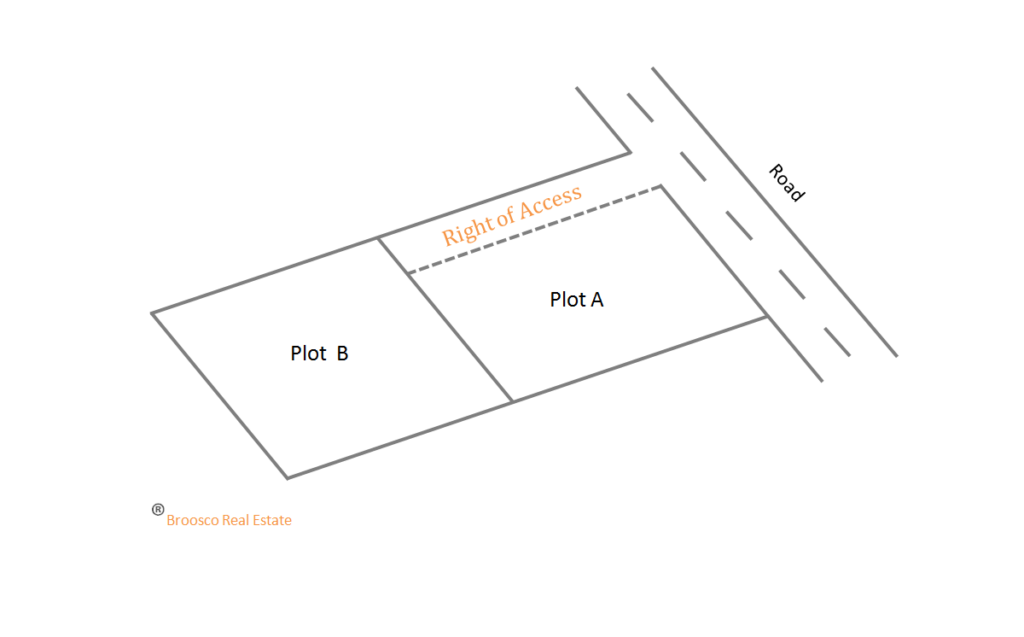
As we gaze out at the breathtaking view from our homes or businesses, it’s easy to forget that there are laws governing who can enjoy this privilege. The right of servitude, also known as servitute prediale, is a fundamental concept in property law that allows individuals to claim ownership over a specific aspect of another person’s land.
What is the Right of Servitude?
The right of servitude gives an individual the right to use and benefit from a specific feature of another person’s land, even if that person does not want to grant permission. This concept is regulated by Article 1027 of the Italian Civil Code, but it surprisingly does not specifically address panoramic views.
The Economic Value of Panoramic Views
Just like energy-efficient features increase a property’s economic value, a stunning view can also be considered an economically valuable asset. As such, our neighbors cannot install wind turbines, solar panels, or even erect a tall fence that might obstruct our view. The panorama is a unique feature that adds to the property’s value.
Limitations on Panoramic Views
Panoramic views are not only aesthetically pleasing but also economically valuable. They can increase the value of adjacent properties and even influence land prices. As such, it is essential to protect these views from obstructions. However, if a neighboring property owner builds a new structure without permission, they cannot claim compensation for this act.
The Law on Panoramic Views
While there is no specific right of servitude protecting panoramic views, the Supreme Court of Cassation has recognized that “servitù di panorama” (panorama servitude) consists in the particular amenity of the dominant land for the view enjoyed by the beneficiary. In simpler terms, if you cannot enjoy a view from your property due to someone else’s actions, you may be able to claim your right.
Case Law and Precedents
In 2013, the Supreme Court of Cassation ruled on a case involving a neighbor who planted trees obstructing a panoramic view (see Case No. 2973/02/27). The court established that if a property owner’s actions hinder another person’s ability to enjoy a view, they may be held liable for damages. To seek compensation, the affected party must prove that they had a reasonable expectation of enjoying this view.
The Importance of Seeking an Amicable Agreement
Before pursuing legal action, it is essential to attempt an amicable solution with your neighbor. By highlighting the precedent set by the Supreme Court of Cassation, you may be able to persuade your neighbor to refrain from obstructing your view.
Protecting Your Right to Panoramic Views
If negotiations fail, you can take your case to court and seek compensation for the loss of your panoramic views. In this situation, it is crucial to document all relevant evidence, including photographs, witness statements, and expert opinions.
Documentation: The Key to Success
Proper documentation is essential in establishing a claim for damages due to obstructed panoramic views. This includes:
- Photographs: Take clear and high-quality photographs of the view from your property before any obstructions occur.
- Witness Statements: Gather statements from witnesses who can attest to the obstruction and its impact on your enjoyment of the view.
- Expert Opinions: Hire an expert, such as a landscape architect or a surveyor, to provide an objective assessment of the obstructed view and its value.
How to Measure the Impact of Obstruction
To establish the extent of the damage caused by the obstruction, you will need to quantify its impact on your enjoyment of the view. This can be done using various methods:
- Comparison Studies: Compare photographs taken before and after the obstruction to illustrate the difference in views.
- View Analysis: Hire an expert to analyze the obstructed view and provide a detailed report on its impact on the property’s value.
Potential Damages
If your case is successful, you may be entitled to compensation for various damages, including:
- Loss of Enjoyment: Compensation for the loss of enjoyment of the panoramic view.
- Decrease in Property Value: Compensation for the decrease in property value due to the obstruction.
- Inconvenience: Compensation for any inconvenience or distress caused by the obstruction.
Conclusion
The right to servitude over panoramic views may seem like a theoretical concept, but its implications can be significant in real-world scenarios. By understanding the laws surrounding these rights and how they apply to our properties, we can better protect our interests and enjoy the beauty of nature from the comfort of our homes.
Frequently Asked Questions
- What is the right of servitude over panoramic views?
The right of servitude over panoramic views refers to the concept that allows individuals to claim ownership over a specific aspect of another person’s land, including the right to enjoy a view. - Can I claim compensation if my neighbor obstructs my view?
Yes, if your neighbor’s actions hinder your ability to enjoy a view from your property, you may be able to claim damages and seek compensation. - How do I prove that I had a reasonable expectation of enjoying the view?
To prove that you had a reasonable expectation of enjoying the view, you will need to provide evidence such as photographs, witness statements, and expert opinions. - Can I appeal if my neighbor refuses to agree on an amicable solution?
Yes, if negotiations fail, you can take your case to court and seek compensation for the loss of your panoramic views. - What is the role of the Supreme Court of Cassation in this matter?
The Supreme Court of Cassation has recognized that “servitù di panorama” (panorama servitude) consists in the particular amenity of the dominant land for the view enjoyed by the beneficiary, and can provide guidance on how to proceed with a claim. - Can I build something on my property if it will obstruct someone else’s panoramic view?
No, you cannot build something on your property that will obstruct another person’s panoramic view without permission from the owner of the adjacent land. - How do I document evidence of my right to enjoy the view?
To document evidence of your right to enjoy the view, take photographs and create a record of any witness statements or expert opinions. - Can I claim compensation if someone builds a fence that obstructs my panoramic view?
Yes, if someone builds a fence that obstructs your panoramic view without permission from you, they may be held liable for damages.
Conclusion: Protecting Your Right to Panoramic Views
In conclusion, understanding the laws surrounding the right of servitude over panoramic views and how they apply to our properties is crucial in protecting our interests. By being aware of our rights and taking proactive steps to protect them, we can ensure that we can enjoy the beauty of nature from our properties for generations to come.


