
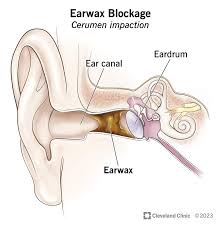
As we age, our ears naturally produce earwax to protect us from dirt, dust, and other foreign particles. However, when the amount of earwax produced exceeds what is needed, it can build up inside the ear canal and cause problems. In this article, we will explore the causes of earwax buildup, its symptoms, and effective ways to treat it.
What Causes Earwax Buildup?
Earwax buildup, also known as cerumen impaction, can be caused by a variety of factors. One common reason is an overproduction of earwax. This can occur when the glands in the ear canal produce too much wax, which can accumulate and harden over time. Another factor that contributes to earwax buildup is the use of earplugs or earmuffs for extended periods. These devices can push wax further into the ear canal, making it harder to remove.
Additionally, poor cleaning techniques can also lead to earwax buildup. Using cotton swabs (also known as Q-tips) to clean the ear canal can push wax deeper into the ear and potentially damage the eardrum. Furthermore, using harsh chemicals or other materials to clean the ears can cause irritation and dryness.
Symptoms of Earwax Buildup
Earwax buildup can cause a range of symptoms, including:
- Hearing loss or muffled hearing
- Feeling of fullness or blockage in the ear
- Itching or discomfort in the ear
- Discharge or odor from the ear
- Pain or pressure in the ear
It’s essential to note that not everyone experiences all of these symptoms. However, if you’re experiencing any of them, it’s crucial to seek medical attention.
How to Recognize Earwax Buildup
Recognizing earwax buildup can be challenging, especially since it often develops gradually over time. However, there are some signs that may indicate the presence of earwax buildup:
- A feeling of fullness or blockage in the ear
- Itching or discomfort in the ear
- Discharge or odor from the ear
- Muffled hearing or decreased hearing
If you’re experiencing any of these symptoms, it’s essential to consult a healthcare professional for proper diagnosis and treatment.
Treatment Options
Treatment for earwax buildup typically involves medical professionals. They may use:
- Otoscopes to visually examine the ear canal and remove wax
- Ear drops or irrigation to soften and flush out wax
- Microsuction to remove wax from the ear canal
It’s crucial to avoid using harsh chemicals or other materials to try to remove earwax yourself, as this can cause more harm than good. Instead, seek professional help for effective treatment.
Preventing Earwax Buildup
While it may seem counterintuitive, preventing earwax buildup requires regular ear care. Here are some tips:
- Clean your ears regularly using a soft cloth or cotton swab
- Avoid using harsh chemicals or other materials to clean the ears
- Dry your ears thoroughly after showering or bathing
- Use earplugs or earmuffs responsibly and avoid using them for extended periods
By following these tips and seeking medical attention if you experience symptoms of earwax buildup, you can prevent problems and maintain healthy ears.
Home Remedies for Earwax Buildup
While professional treatment is usually the best option, there are some home remedies that may help alleviate symptoms of earwax buildup. However, it’s essential to note that these remedies should not be used as a substitute for medical treatment. Here are some home remedies you can try:
- Using ear drops or oil to soften and loosen wax
- Trying the “ear syringe” method: fill a syringe with warm water, tilt your head to one side, and gently squirt the water into the ear canal to flush out wax
- Using a small amount of hydrogen peroxide to help break down wax
- Applying heat to the outer ear using a warm washcloth or a heating pad
It’s essential to be cautious when trying home remedies, as they may not be effective for everyone and can potentially cause more harm than good.
Complications of Untreated Earwax Buildup
If left untreated, earwax buildup can lead to complications such as:
- Hearing loss: prolonged exposure to wax can damage the eardrum or reduce sound conduction
- Infection: if the wax becomes infected, it can cause pain, swelling, and discharge
- Tinnitus: earwax buildup can cause ringing or other sounds in the ear
- Vertigo: some people may experience vertigo (dizziness) due to earwax buildup
When to Seek Medical Attention
If you’re experiencing any of the following symptoms, it’s essential to seek medical attention:
- Severe hearing loss or muffled hearing
- Discharge or odor from the ear that persists for more than a few days
- Pain or pressure in the ear that worsens over time
- Fever or chills accompanying earwax buildup
FAQs
Here are some frequently asked questions about earwax buildup:
Q: Can I use ear drops to treat earwax buildup?
A: No, using ear drops is not a recommended treatment for earwax buildup. Consult a healthcare professional for proper diagnosis and treatment.
Q: How often should I clean my ears?
A: It’s essential to clean your ears regularly, but avoid over-cleaning or using harsh materials.
Q: Can earwax buildup cause hearing loss?
A: Yes, if left untreated, earwax buildup can lead to hearing loss or muffled hearing.
Q: Is it safe to use cotton swabs (Q-tips) to clean my ears?
A: No, using cotton swabs can push wax deeper into the ear canal and potentially damage the eardrum. Avoid using them for cleaning your ears.
Q: Can I remove earwax buildup myself with a syringe or irrigation device?
A: No, this method is not recommended and can cause more harm than good. Seek professional help instead.
Q: How long does it take to recover from earwax buildup treatment?
A: Recovery time varies depending on the severity of the buildup and individual factors. Your healthcare professional will provide guidance on post-treatment care.
Q: Can I get earwax buildup if I have a cold or allergies?
A: Yes, changes in ear pressure during a cold or allergies can lead to earwax buildup. Keep an eye out for symptoms and seek medical attention if needed.
By understanding the causes of earwax buildup, recognizing its symptoms, and seeking professional treatment when necessary, you can maintain healthy ears and avoid potential complications. Remember to practice good ear hygiene and follow the tips outlined in this article to prevent earwax buildup from occurring in the first place.


