
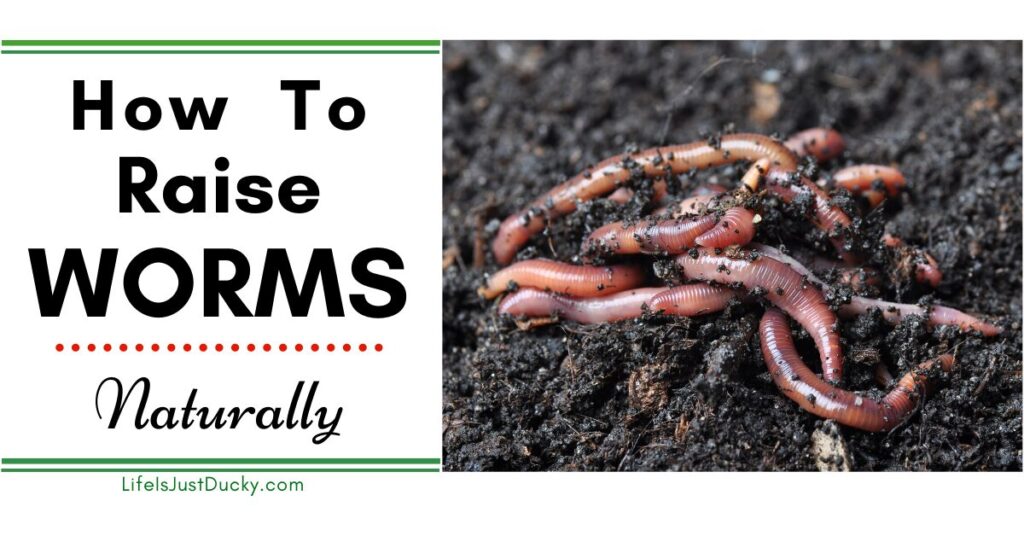
As the name suggests, vermicomposting is the practice of raising worms for composting. It may not be a glamorous activity, but it can be a lucrative one, especially when done on a large scale.
Who Can Start Vermicomposting?
Vermicomposting is not for everyone, however. Like any other agricultural or natural pursuit, it requires dedication and perseverance. You’ll need to be willing to put in the time and effort required to maintain a healthy worm population.
Fortunately, vermiccomposting doesn’t require a lot of physical labor, especially compared to other farming activities. With consistent care and attention, you can reap the benefits of this sustainable practice.
The Benefits of Vermicomposting
So, what makes worms so valuable? For one thing, they’re masters at breaking down organic waste into nutrient-rich compost. This process not only reduces waste but also creates a valuable product that farmers and gardeners can use to improve soil health.
In addition to generating income from selling worm castings (also known as vermicompost), you can also utilize the worms themselves for other purposes, such as:
- Using them as bait for fishing
- Creating a natural pest control system
- Even raising them as pets
The possibilities are endless when it comes to vermicomposting.
How to Make Money with Vermicomposting
Now that we’ve covered the basics, let’s talk about how you can actually make money from this activity. Here are three main ways to do so:
- Selling Worm Castings: As mentioned earlier, worm castings are highly prized by farmers and gardeners for their ability to improve soil health. You can sell these valuable resources directly to customers or through a third-party distributor.
- Selling Live Worms: While not as lucrative as selling worm castings, you can still make money by selling live worms to other vermicomposters or enthusiasts. This can be especially profitable if you’re able to breed high-quality worms or source them from reputable suppliers.
- Offering Vermicomposting Services: With the growing demand for sustainable practices, you may find opportunities to offer your services to clients who need vermicomposting done on a large scale. This could include consulting, equipment installation, and ongoing maintenance.
The Cost of Starting a Vermicomposting Operation
Before you begin, it’s essential to consider the costs associated with starting a vermicomposting operation. These can be broken down into two main categories:
- Initial Costs: The upfront expenses required to set up your vermicomposting system, including materials like worm bins, bedding, and equipment.
- Ongoing Costs: The recurring expenses associated with maintaining the worms and the operation itself, such as food (in the form of organic waste), replacement worm castings, and any necessary repairs or upgrades.
While the initial costs may seem daunting, they’re well worth it in the long run. With proper care and maintenance, your vermicomposting operation can become a sustainable source of income for years to come.
Conclusion
Vermicomposting is an exciting opportunity to turn waste into wealth while promoting sustainable agriculture practices. By understanding how to start and maintain a successful worm composting system, you can unlock the potential for profitable growth and make a positive impact on the environment.
Frequently Asked Questions
- What is vermicomposting?
Vermicomposting is the practice of raising worms for composting. - How do I get started with vermicomposting?
Begin by researching local regulations, purchasing necessary materials, and setting up your worm bin or system. - Can I make money from vermicomposting?
Yes, you can generate income through selling worm castings, live worms, or offering vermicomposting services. - What are the benefits of vermicomposting?
Vermicomposting promotes sustainable agriculture practices and reduces waste by creating valuable compost products. - How much does it cost to start a vermicomposting operation?
Initial costs include materials like worm bins, bedding, and equipment, while ongoing costs cover food, replacement worm castings, and necessary repairs or upgrades. - Can I use worms for other purposes besides composting?
Yes, worms can be used as bait for fishing, natural pest control systems, or even pets. - How do I know if my vermicomposting operation is successful?
Monitor your worm population, compost quality, and customer satisfaction to ensure a profitable and sustainable operation. - What are some common mistakes to avoid in vermicomposting?
Overfeeding the worms, poor bedding maintenance, and inadequate temperature control can all negatively impact your operation’s success.
By following these tips and understanding the ins and outs of vermicomposting, you’ll be well on your way to creating a thriving worm composting system that brings you financial rewards while promoting sustainable agriculture practices.


