
Preparing for Earthquakes: A Guide to Safety and Preparedness
As the old saying goes, “know thy enemy.” When it comes to earthquakes, being aware of the risks and taking proactive steps to prepare can mean the difference between life and death. In this article, we’ll explore the essential tips and guidelines for preparing for earthquakes, from basic safety measures to advanced preparedness strategies.
Understanding Earthquake Safety
The first step in earthquake preparedness is understanding the risks and hazards associated with seismic activity. Earthquakes can cause widespread destruction, including collapsed buildings, landslides, and fires. The key to surviving an earthquake is having a clear plan of action in place before the shaking starts.
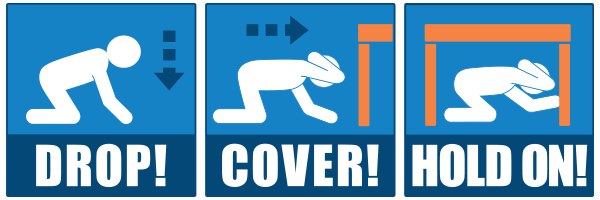
According to the American Red Cross, the most important thing you can do during an earthquake is to “Drop, Cover, and Hold On.” This simple technique involves dropping to the ground, taking cover under a sturdy piece of furniture or a doorway, and holding onto it to prevent being knocked over or pulled away.
Preparing Your Home for Earthquakes
One of the most effective ways to prepare for earthquakes is by securing your home. This includes:
- Tying down heavy objects: Heavy objects such as bookshelves, televisions, and furniture can fall and cause injury. Use anti-tip brackets to secure them to walls.
- Storing flammable liquids: Flammable liquids such as gasoline and paint thinner can ignite during an earthquake. Store them in well-ventilated areas away from heat sources.
- Having a emergency kit: Keep a emergency kit with essentials such as food, water, first aid supplies, and a battery-powered radio.
Earthquake Safety at School
Schools are often considered safe havens, but they can also be vulnerable to earthquake damage. To ensure safety at school:
- Participate in drills: Schools should conduct regular earthquake drills to prepare students for the unexpected.
- Have an evacuation plan: Develop a clear evacuation plan that includes designated meeting points and emergency contact numbers.
- Secure furniture and objects: Use anti-tip brackets to secure heavy objects such as bookshelves and televisions.
Earthquake Safety at Home
If you live in an earthquake-prone area, it’s essential to have a plan in place for staying safe during an earthquake. Here are some tips:
- Identify safe zones: Identify safe zones in your home such as under a sturdy table or against an interior wall.
- Store emergency supplies: Keep a emergency kit with essentials such as food, water, first aid supplies, and a battery-powered radio.
- Stay informed: Stay informed about earthquake risks and hazards in your area.
What to Do During an Earthquake
If you’re caught outside during an earthquake:
- Stay away from buildings: Avoid buildings and other structures that could collapse or fall.
- Find a safe location: Find a safe location such as a park or open field where you can wait until the shaking stops.
- Avoid hazards: Avoid hazards such as fallen power lines, sharp debris, and contaminated water.
After an Earthquake
After an earthquake:
- Check for injuries: Check yourself and others for injuries and provide first aid if needed.
- Evacuate: If instructed to do so by authorities, evacuate the area immediately.
- Document damage: Document damage to your property and take photos or videos for insurance purposes.
Frequently Asked Questions
Q: What should I do during an earthquake?
A: During an earthquake, drop to the ground, take cover under a sturdy piece of furniture or a doorway, and hold onto it to prevent being knocked over or pulled away.
Q: How can I prepare my home for earthquakes?
A: To prepare your home for earthquakes, secure heavy objects, store flammable liquids safely, and keep an emergency kit on hand.
Q: What should I do if I’m caught outside during an earthquake?
A: If you’re caught outside during an earthquake, stay away from buildings, find a safe location such as a park or open field, and avoid hazards such as fallen power lines and sharp debris.
Q: How can I protect myself from injury during an earthquake?
A: To protect yourself from injury during an earthquake, wear sturdy shoes, hold onto furniture or doors to prevent being knocked over or pulled away, and use your body to shield yourself from falling objects.
Q: What should I do after an earthquake?
A: After an earthquake, check for injuries, evacuate the area if instructed by authorities, and document damage to your property for insurance purposes.
Additional Preparations
In addition to the basic safety measures outlined above, there are several other steps you can take to prepare for earthquakes:
- Create a family emergency plan: Develop a clear plan that includes communication protocols, evacuation routes, and meeting points.
- Practice earthquake drills: Conduct regular drills with your family to ensure everyone knows what to do in case of an earthquake.
- Stay informed about earthquake risks: Stay up-to-date on the latest earthquake news and information from local authorities.
Conclusion
Preparing for earthquakes requires a proactive approach. By understanding the risks and hazards associated with seismic activity, securing your home, and having a clear plan of action in place, you can reduce your risk of injury or death during an earthquake. Remember to always prioritize safety and take steps to protect yourself and your loved ones.
References
- American Red Cross: Earthquake Safety
- United States Geological Survey (USGS): Earthquake Preparedness
- Federal Emergency Management Agency (FEMA): Earthquake Safety


