
Introduction
Sleep disorders are a common issue affecting millions of people worldwide. Among the various sleep problems, dissonnias stand out as complex conditions that require expert evaluation and treatment. In this article, we’ll delve into the world of dissonnias, exploring what they are, their symptoms, causes, and treatment options.
The Importance of Distinguishing Symptoms from Causes
At times, sleep disorders are associated with other psychological issues or even represent the triggering factor. These evaluations are delicate and complex, requiring expert judgment. It’s crucial to understand that treating only the symptom may not address the root cause, which can lead to ineffective treatment and prolonged suffering.
Types of Dissonnias
Dissonnias fall under the primary group of sleep problems, along with parasomnias. They refer to difficulties in falling asleep, staying asleep, or experiencing excessive daytime drowsiness. There are five types of dissonnias:
- Insomnia: Difficulty falling or staying asleep
- Hypersomnia: Excessive daytime drowsiness due to excessive nighttime sleep
- Narcolepsy: Excessive daytime drowsiness despite adequate nighttime sleep
- Sleep disorder related to breathing: Interrupted sleep due to respiratory issues
- Circadian rhythm disorder: Disrupted sleep-wake cycle
Dissonnias vs. Parasomnias
To understand the difference between dissonnias and parasomnias, let’s consider two definitions:
- Dissonnias: Sleep disorders that affect the initiation or continuation of sleep, altering its quantity, quality, or rhythm.
- Parasomnias: Sleep disorders related to dreams and nighttime experiences, particularly prevalent in childhood and adolescence.
The Science Behind Dissonnias
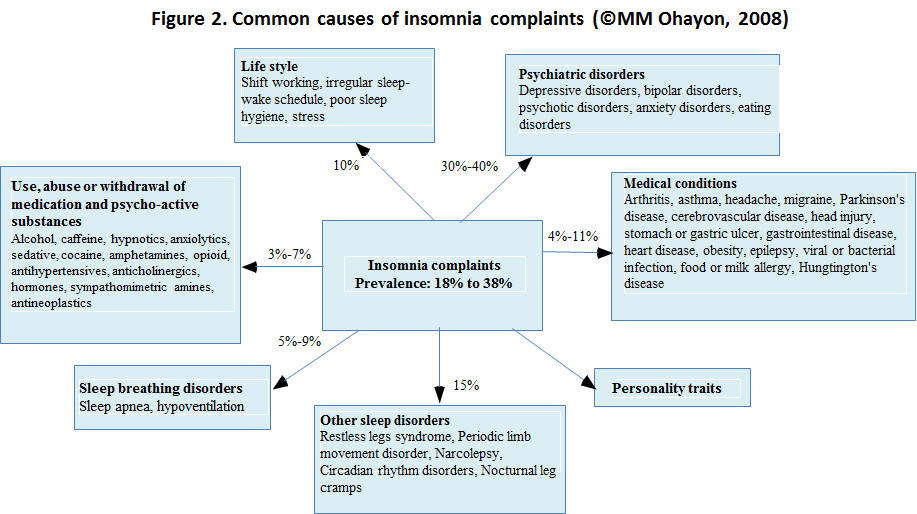
Dissonnias are often linked to various underlying factors, such as:
- Genetic predisposition: Family history of sleep disorders can increase the risk of developing dissonnias.
- Lifestyle factors: Irregular work schedules, caffeine consumption, and electronic device use before bedtime can disrupt sleep patterns.
- Medical conditions: Sleep apnea, restless leg syndrome, and chronic pain can contribute to dissonnias.
- Psychological factors: Stress, anxiety, and depression can exacerbate sleep disorders.
Natural Remedies for Dissonnias
A natural remedy for both dissonnias and parasomnias is a combination of Melissa and Valeriana in capsule form. Melissa has antioxidant, sedative, and analgesic properties, while Valeriana helps reduce anxiety and alleviate sleep disorders. Another effective combination is between Melissa, Biancospino, and Passiflora.
Common Symptoms of Dissonnia
Each dissonnia manifests differently, so it’s essential to observe the symptoms individually. Let’s start with insomnia, which is often misunderstood as a normal difficulty in falling asleep. Insomnia can be categorized into several subtypes, including:
- Transitory insomnia: Short-term
- Brief insomnia: Short-term
- Chronic insomnia: Long-term
Next, we have hypersomnia, characterized by excessive daytime drowsiness due to excessive nighttime sleep.
The narcolepsy type involves excessive daytime drowsiness despite adequate nighttime sleep. People with narcolepsy may experience frequent awakenings during the night and excessive daytime sleepiness.
Narcolepsy can be confused with cataplexy, but they are distinct conditions. Cataplexy is characterized by sudden loss of muscle tone, often triggered by strong emotions.
The fourth type is a sleep disorder related to breathing, which occurs when sleep is interrupted due to respiratory issues.
Finally, there’s the circadian rhythm disorder, where the sleep-wake cycle is disrupted, leading to irregular sleep patterns and potential difficulties in daily life.
Dissonnias in Children
Children can also experience dissonnias, often accompanied by parasomnias. Frequent nighttime wakings, difficulty falling asleep, or early morning wake-ups are common issues in children.
In some cases, underlying behavioral or social issues may contribute to sleep problems. These problems should be addressed to improve overall well-being.
Dissonnias in Newborns
Even newborns can experience sleep disturbances. It’s essential to observe the baby’s progress and determine if it’s a temporary issue that can be resolved with patience and adjustments to their environment, such as lighting, temperature, and sleep schedules.
Diagnosing Dissonnias: A Comprehensive Approach
Accurate diagnosis of dissonnias is crucial for effective treatment. Healthcare professionals use various methods to diagnose dissonnias, including:
- Sleep diaries: Keeping a record of sleep patterns and disturbances.
- Physical examinations: Checking for underlying medical conditions that may contribute to dissonnias.
- Questionnaires and interviews: Assessing lifestyle factors, psychological symptoms, and behavioral issues.
Treatment Options for Dissonnias
Effective treatment options are available for managing dissonnias, including:
- Lifestyle modifications: Establishing a consistent sleep schedule, avoiding caffeine and electronic devices before bedtime, and creating a relaxing sleep environment.
- Cognitive-behavioral therapy (CBT): Addressing underlying psychological factors contributing to dissonnias.
- Medications: Using sleep aids or medications to regulate sleep patterns.
- Natural remedies: Combining herbal supplements with lifestyle modifications.
Conclusion: Finding Relief from Dissonnia
Dissonnias are complex sleep disorders that require expert evaluation and treatment. By understanding the different types of dissonnias, their symptoms, causes, and treatment options, you can take the first step towards finding relief from these distressing conditions. Remember to consult with a healthcare professional for personalized guidance and support.
Frequently Asked Questions (FAQs)
- What is the most common type of dissonnia?
Insomnia is the most common type of dissonnia, affecting millions of people worldwide. - Can dissonnias be cured?
While there is no cure for dissonnias, effective treatment options are available to manage symptoms and improve quality of life. - What triggers narcolepsy?
Narcolepsy can be triggered by a combination of genetic and environmental factors. - How can I treat hypersomnia naturally?
A combination of natural remedies such as Melissa, Valeriana, and Passiflora may help alleviate symptoms of hypersomnia. - Can dissonnias affect children?
Yes, dissonnias can affect children, often accompanied by parasomnias and underlying behavioral or social issues. - What are the best sleep schedules for newborns?
Establishing a consistent sleep schedule with adjustments to lighting, temperature, and wake-up times can help regulate newborn sleep patterns. - Can dissonnias be diagnosed accurately?
A thorough evaluation by a healthcare professional is necessary to accurately diagnose and treat dissonnias. - What are the long-term effects of untreated dissonnias?
Untreated dissonnias can lead to chronic fatigue, decreased productivity, and increased risk of mental health disorders.
Additional Resources
For further information on dissonnias and treatment options, consult:
- National Sleep Foundation: Providing resources on sleep education, research, and advocacy.
- American Academy of Sleep Medicine: Offering guidelines for diagnosing and treating sleep disorders.
- Sleep Health Foundation: Focusing on promoting sleep health through education, awareness, and support.
By understanding dissonnias and seeking professional help, you can find relief from these distressing conditions and improve your overall quality of life.


