
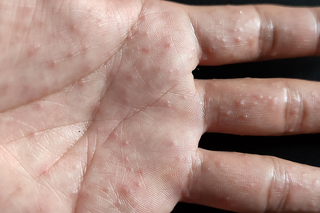
Disidrosis, also known as eczema disidrotico, is a skin condition characterized by the formation of small blisters on hands and feet. This article aims to provide an in-depth understanding of disidrosis, including its causes, symptoms, and treatment options.
What is Disidrosis?
Disidrosis is a type of dermatitis that can be acute or chronic. Acute means it lasts for a short period, while chronic implies that the condition persists over time. The exact cause of disidrosis remains unknown, but research suggests that it may be linked to allergic reactions, stress, and other psychological factors.
Causes of Disidrosis
While the underlying cause of disidrosis is still unclear, several factors are believed to contribute to its development:
- Allergies: Allergic reactions to certain substances can trigger disidrosis. Common allergens include latex, nickel, and fragrances.
- Stress and anxiety: Emotional stress and anxiety may play a role in the development of disidrosis. Stress hormones like cortisol can affect the skin’s barrier function and lead to increased susceptibility to irritation.
- Other conditions: Certain medical conditions, such as scabies or psoriasis, can cause similar symptoms.
- Genetic predisposition: Some people may be more prone to developing disidrosis due to their genetic makeup.
Symptoms of Disidrosis
Disidrosis is characterized by the presence of small blisters on hands and feet. These blisters are typically filled with a clear liquid and can be painful. The symptoms associated with disidrosis include:
- Prurito (itching): Itching in the affected areas can be intense and may interfere with daily activities.
- Spreading of the blisters: After they disappear, the blisters often reappear in new locations on hands and feet.
- Presence of blisters only on hands and feet: This symptom is unique to disidrosis and distinguishes it from other skin conditions.
In rare cases, the blisters may spread rapidly, causing further irritation. If you experience persistent itching or skin discomfort, it’s essential to consult a dermatologist for proper evaluation and treatment.
Diagnosis of Disidrosis
A diagnosis of disidrosis can be challenging, as its symptoms are similar to those of other skin conditions. A dermatologist will typically perform the following tests to confirm the diagnosis:
- Physical examination: A thorough examination of the affected areas is necessary to identify the blisters and assess their severity.
- Medical history: The patient’s medical history is taken into account, including any allergies or previous skin conditions.
- Patch testing: Patch testing may be performed to identify specific allergens that may be contributing to the condition.
Treatment Options for Disidrosis
While there is no cure for disidrosis, various treatments can help alleviate symptoms and prevent further complications:
- Topical creams: Applying topical corticosteroids or other medications can provide relief from prurito.
- Antihistamines: Antihistamines may be prescribed to reduce itching and inflammation.


