
Dysgeusia, or the distortion of taste, is a common condition that affects many people without them even realizing it. It’s not just a temporary issue caused by a cold; in some cases, it can be a symptom of a more serious underlying condition.
What is Dysgeusia?
Dysgeusia is characterized by a distortion or weakening of the sense of taste. This can manifest as an inability to perceive flavors, tastelessness, or even a sensation of bitterness in the mouth and throat. If left untreated, dysgeusia can be a sign of an underlying health issue.
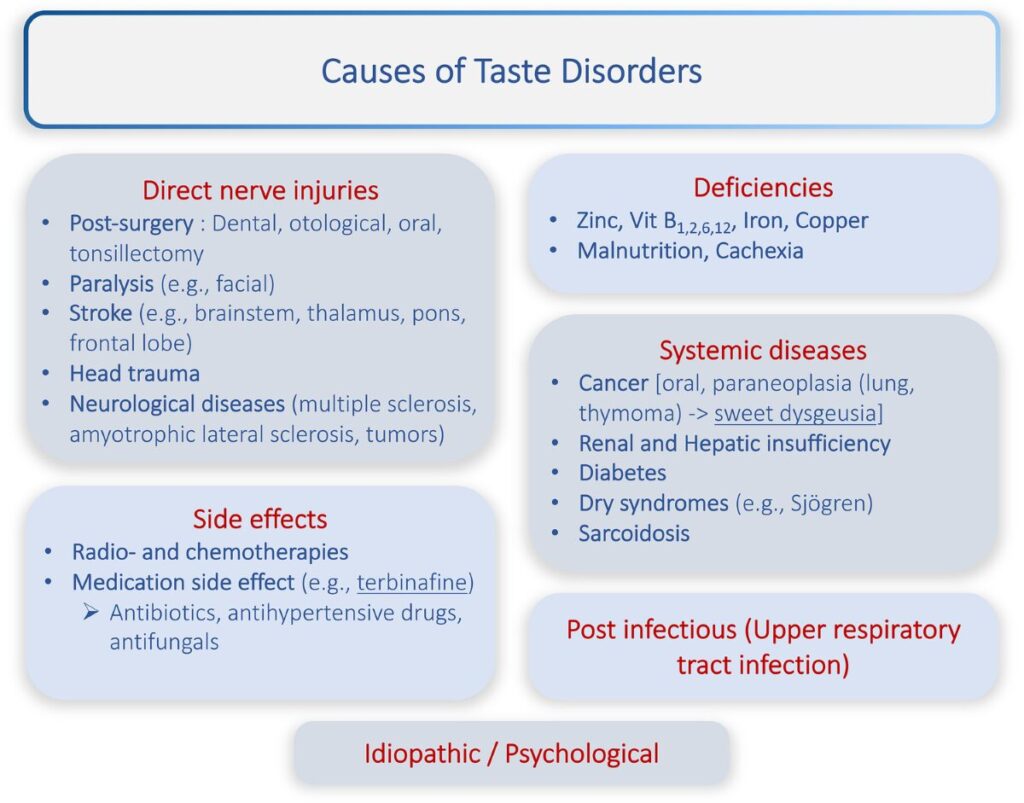
Causes of Dysgeusia
There are several potential causes of dysgeusia, including:
- Infections and inflammation of the tongue and/or throat
- Congenital abnormalities or birth defects
- Auricular (ear) problems, such as herpes zoster oticus
- Respiratory system issues, like sinusitis and rhinitis
- Psychological disorders, including schizophrenia and anorexia nervosa
In some cases, dysgeusia can be caused by a physical injury to the trigeminal nerve or glossopharyngeal nerve, or even as a result of head trauma or stroke. Additionally, severe kidney dysfunction may also contribute to dysgeusia.
Symptoms of Dysgeusia
The symptoms of dysgeusia are straightforward: an alteration or weakening of the sense of taste. This can manifest in various ways, including:
- A persistent feeling of bitterness or a metallic taste
- An inability to distinguish between different flavors or textures
- A sensation of numbness or tingling in the mouth and throat
If you’re experiencing any of these symptoms, it’s essential to consult with a healthcare professional to determine the underlying cause.
Dysgeusia and Amaro in the Mouth
One form of dysgeusia involves a persistent feeling of bitterness or a metallic taste. This can be due to various factors, including:
- Dental problems, such as tooth decay or gum disease
- Tumors or cysts in the mouth or throat
- Reflux gastroesophageal disease (GERD)
- Zinc deficiencies or exposure to toxic chemicals
- Other conditions that affect the taste buds or nerves
If you’re experiencing these symptoms, it’s crucial to consult with a healthcare professional for proper diagnosis and treatment.
Natural Remedies for Dysgeusia
While there is no one-size-fits-all solution for dysgeusia, some natural remedies may help alleviate symptoms:
- Dietary changes: avoiding trigger foods or spices that can exacerbate the condition
- Herbal supplements: such as ginger, turmeric, and peppermint
- Essential oils: like eucalyptus and rosemary
- Acupuncture and other alternative therapies
It’s worth noting that some of these remedies may not be suitable for everyone. It’s always best to consult with a healthcare professional before trying any new treatments.
Treatment Options
In addition to natural remedies, there are several treatment options available for dysgeusia:
- Medications: such as corticosteroids or anticonvulsants to reduce inflammation and alleviate symptoms
- Dietary changes: a specialized diet that avoids trigger foods or spices can help alleviate symptoms
- Alternative therapies: acupuncture, hypnosis, or cognitive-behavioral therapy may also be helpful in managing dysgeusia
Conclusion
Dysgeusia is a common condition that affects many people without them even realizing it. While the exact cause of dysgeusia is often unknown, there are several potential causes and symptoms to watch out for. With the right treatment options, including natural remedies, medications, dietary changes, and alternative therapies, it’s possible to manage dysgeusia and improve overall health.
Prevention
While dysgeusia can be caused by a variety of factors, there are some steps you can take to reduce your risk:
- Maintain good oral hygiene: regular brushing, flossing, and dental check-ups
- Avoid trigger foods or spices: if you experience persistent symptoms, try avoiding certain foods or spices that may exacerbate the condition
- Stay hydrated: drinking plenty of water can help keep your mouth and throat moist and reduce the risk of dysgeusia
By taking these steps, you can reduce your risk of developing dysgeusia and improve overall health.
References
- National Institute on Deafness and Other Communication Disorders. (2022). Dysgeusia.
- MedlinePlus. (2022). Taste Disturbances.
- Mayo Clinic. (2022). Taste problems: Symptoms & causes.
- American Academy of Otolaryngology-Head and Neck Surgery. (2022). Ear infections.
Note: The references provided are for general information purposes only and should not be used as a substitute for professional medical advice. If you’re experiencing symptoms of dysgeusia, it’s essential to consult with a healthcare professional for proper diagnosis and treatment.


