
When it comes to maintaining your lawn, installing the right irrigation system is crucial. There are two types of irrigation systems: static and dynamic. Choosing between these options can be overwhelming, but understanding their differences will help you make an informed decision.
Static vs. Dynamic Irrigation Systems: What’s the Difference?
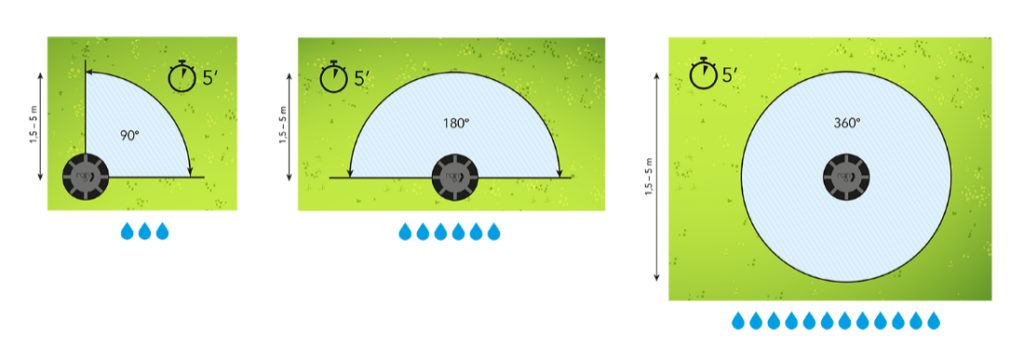
There are two main types of static irrigation systems: fixed-angle sprinklers and adjustable sprinklers. Fixed-angle sprinklers have a single nozzle with a natural spray pattern, while adjustable sprinklers can change their angle to cover different areas. These systems offer excellent performance with standard household pressures. They come in three forms: 90°, 180°, and 360°. Some models also feature manual adjustments between 20° and 360°.
One of the benefits of static irrigation systems is that they only protrude from the ground when watering your lawn. This allows for easy access to your garden without any obstructions from pipes.
Dynamic irrigation systems, on the other hand, have a rotating nozzle that pops up when water is applied, allowing it to spray water over a wider area. They also feature adjustable nozzles and can cover much larger areas than static sprinklers – up to 30 meters in some cases.
Choosing Between Static and Dynamic Irrigation Systems
There’s no one-size-fits-all approach to choosing between static and dynamic irrigation systems. Generally, dynamic systems are preferred for large, open spaces, while static systems are better suited for smaller, more irregular areas with obstacles.
Keep in mind that dynamic systems are more expensive than their static counterparts. However, they offer several advantages over traditional sprinkler systems. For example, they use less water overall and can be programmed to turn off during certain times of the day or when not needed.
In fact, a study found that using a dynamic irrigation system would take approximately 4 times longer to cover the same area as a static system, due to its lower water flow rate. This means that while you may need to spend more time installing and maintaining your dynamic system, it will ultimately save you money on water costs in the long run.
Benefits of Dynamic Irrigation Systems
Before we dive into the installation process, let’s take a closer look at some of the benefits of using a dynamic irrigation system:
- Water Efficiency: As mentioned earlier, dynamic irrigation systems use less water overall than traditional sprinkler systems.
- Flexibility: With their adjustable nozzles and rotating pop-up heads, dynamic irrigation systems can be programmed to cover different areas at various times of the day.
- Reduced Maintenance: Since dynamic irrigation systems only protrude from the ground when watering your lawn, they are less prone to damage from weather conditions or accidental kicks.
- Improved Lawn Health: By providing a more even distribution of water, dynamic irrigation systems can help promote healthy grass growth and reduce the risk of overwatering.
Installation Tips for Dynamic Irrigation Systems
Before purchasing an irrigation system, take some time to carefully plan out your project. Once installed, making changes can be difficult, if not impossible, so make sure you get everything right from the start.
One way to test your sprinkler system before installation is by laying out a makeshift setup using pipes and hoses on your lawn. This will give you an idea of how the system will perform in practice.
After determining the best layout for your irrigation system, you can begin digging trenches for the pipes. The ideal depth for these trenches is between 20-30 cm deep, which provides enough room to work with without damaging your system or causing frost damage during winter months.
DIY Irrigation System Installation
If you’re looking to save money by installing an irrigation system yourself, there are plenty of resources available online to help guide you through the process. For a more detailed look at designing and building an automatic irrigation system, check out our other articles:
- How to Design and Build an Automatic Irrigation System
- Step-by-Step Guide to Installing an Automatic Irrigation System
Some popular products for installing an automatic irrigation system include:
- Hunter Sprinkler System: A great option for those on a budget, available on Amazon for just $10.90 + IVA.
- Fluidra Dynamic Irrigator with 10-12 Interchangeable Nozzles: Offers excellent coverage and is available on Amazon for $16.48 + IVA.
Static Irrigation Systems: A Good Alternative
While dynamic irrigation systems have their benefits, there are also some great advantages to static irrigation systems. For example:
- Cost-Effective: Static irrigation systems are generally less expensive than dynamic systems.
- Easy Installation: Since they don’t require any additional components or programming, static irrigation systems can be easier to install and maintain.
- Less Complex: With fewer moving parts, static irrigation systems are often less prone to mechanical issues.
However, static irrigation systems also have some limitations:
- Limited Coverage Area: Static sprinklers typically cover smaller areas than dynamic systems.
- More Water Usage: Since they require more frequent watering, static irrigation systems can be less water-efficient than dynamic systems.
Static Irrigation Systems: Types and Features
There are several different types of static irrigation systems available, including:
- Fixed-Angle Sprinklers: These sprinklers have a single nozzle with a fixed spray pattern.
- Adjustable Sprinklers: These sprinklers can be adjusted to cover different areas or angles.
- Variable Spray Systems: These systems use multiple nozzles and valves to control the amount of water sprayed.
Some popular features for static irrigation systems include:
- Drip Irrigation: This type of irrigation system delivers water directly to the roots of plants, reducing evaporation and runoff.
- Rain Bird Automatic Sprinkler System: A great option for those looking for a cost-effective solution, available on Amazon for $19.95 + IVA.
- Bosch Dynamic Irrigator with 10-12 Interchangeable Nozzles: Offers excellent coverage and is available on Amazon for $32.99 + IVA.
Conclusion
Choosing the right irrigation system for your lawn can seem daunting, but by understanding the differences between static and dynamic systems, you’ll be able to make an informed decision that meets your specific needs. Whether you choose a dynamic or static irrigation system, there are several factors to consider when installing your system, including coverage area, water usage, maintenance requirements, and cost.
By taking the time to research and plan out your project, you can ensure that your irrigation system is both effective and efficient.


