
Introduction
Are you fascinated by the delicate beauty of orchids? Look no further than the Orchid Mini, a tiny but stunning variety that’s perfect for indoor gardening. With its petite size and vibrant blooms, this little marvel is sure to captivate any plant enthusiast. In this article, we’ll delve into the world of Orchid Mini, exploring its history, care requirements, and propagation techniques.
What is an Orchid Mini?
The Orchid Mini is a hybrid orchid that originated from the intersection of Pleione formosa and other species. This cross-breeding resulted in a plant with remarkable characteristics: compact growth (10-18 cm tall), striking flowers (up to two blooms per stem), and delicate foliage. Its small stature makes it an ideal choice for home gardens, where space is limited.
Types of Orchids
With over 30,000 known species, the world of orchids is incredibly diverse. From the majestic Phalaenopsis to the exotic Vanda, there’s no shortage of varieties to choose from. The Orchid Mini belongs to the Pleione genus, which comprises approximately 25 species native to Asia.
Care and Maintenance
To keep your Orchid Mini thriving, follow these guidelines:
Lighting
Provide bright, indirect light for optimal growth. Avoid placing the plant directly in front of windows or doors, as this can cause scorching. In cooler months (October to March), move the plant to a shaded area.
Watering
Use rainwater or distilled water to avoid mineral buildup. Water only when the soil feels dry to the touch, usually every 7-10 days in summer and less frequently during winter.
Humidity
Maintain a humidity level between 40-60% by placing the plant on a tray filled with water and pebbles or using a humidifier.
Temperature
Keep temperatures consistent: 65°F (18°C) during the day and 55°F (13°C) at night. Avoid sudden changes, as this can shock the plant.
Fertilization
Feed your Orchid Mini with a balanced fertilizer once a month. Dilute the formula to half the recommended strength to prevent burning the roots.
Common Issues and Solutions
- Leaf browning: Reduce watering, ensure good air circulation, or repot the orchid in fresh potting mix.
- No blooms: Adjust fertilization, increase light exposure, or provide humidity.
- Slow growth: Fertilize more frequently, prune old leaves, or repot in a well-draining medium.
Propagation
To multiply your Orchid Mini, follow these steps:
- Identify the pseudobulb (thick, fleshy stem) and carefully remove it from the mother plant.
- Cut the pseudobulb into sections, each with at least one “radichetta” (root structure).
- Plant the sections in a new pot filled with a well-draining medium, keeping them moist but not waterlogged.
Potting Mix and Repotting
Use a high-quality orchid potting mix that retains moisture but drains excess water. When repotting, gently remove the plant from its pot, taking care not to damage the roots. Choose a slightly larger pot and fill it with fresh potting mix, arranging the pseudobulb so that the “radichetta” is exposed.
Pest Control
Regularly inspect your Orchid Mini for signs of pests, such as mealybugs or spider mites. If you notice any infestation, treat the plant with insecticidal soap or neem oil according to the product’s instructions.
Pruning and Training
To encourage healthy growth and promote blooming, prune old leaves and stems regularly. Use scissors or pruning shears to cut back overgrown sections, taking care not to damage the roots or disturb the pseudobulb.
Common Orchid Mini Varieties
While there are many different types of orchids, some popular varieties include:
- Pleione ‘Pink Pearl’: Features delicate pink flowers and pale green leaves.
- Pleione ‘White Snow’: Displays white blooms with a hint of yellow on the petals.
- Pleione ‘Lily Blossom’: Offers vibrant pink flowers and dark green foliage.
Orchid Mini in Nature
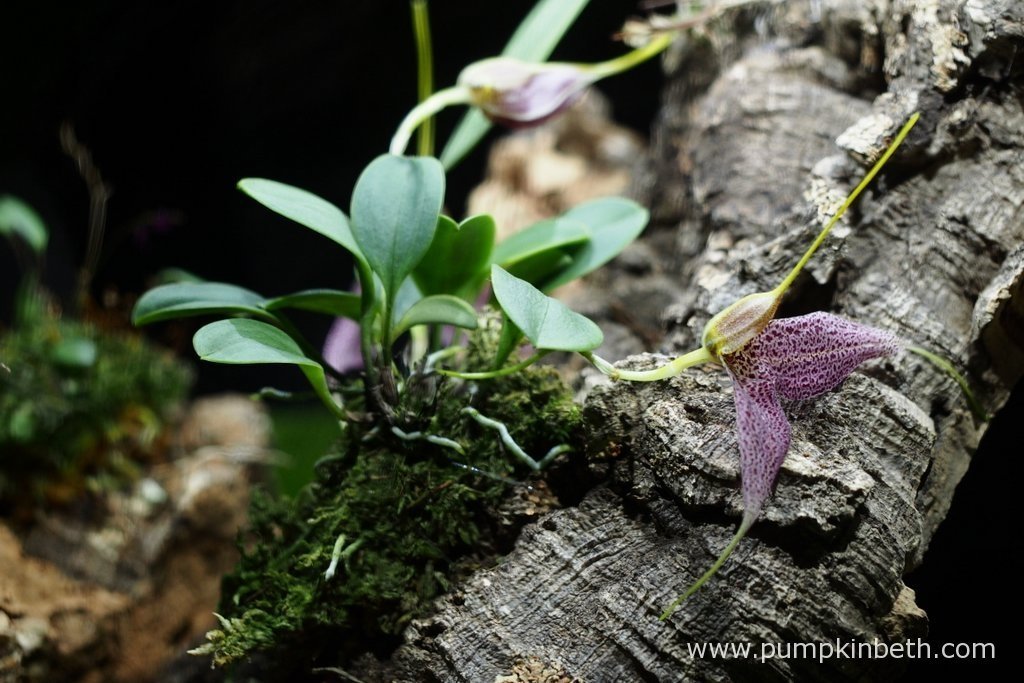
In their natural habitat, Orchid Minis can be found growing on trees or rocks in shaded areas. These orchids have adapted to thrive in environments with limited sunlight and water availability.
Conclusion
With proper care and attention, your Orchid Mini will thrive, providing you with hours of enjoyment and beauty. Remember to monitor its needs, respond promptly to issues, and enjoy the rewards of nurturing this remarkable plant.
Frequently Asked Questions
- How often should I water my Orchid Mini?
- Water only when the soil feels dry to the touch.
- What temperature range is suitable for my Orchid Mini?
- Maintain temperatures between 65°F (18°C) during the day and 55°F (13°C) at night.
- Can I grow an Orchid Mini outdoors?
- No, as it requires protection from direct sunlight and extreme temperatures.
- How long does it take for my Orchid Mini to bloom?
- Blooms typically occur after 6-12 months of care and proper conditions.
- Can I propagate an Orchid Mini using leaf cuttings?
- No, as this method is not effective for orchids; pseudobulb propagation is recommended.
Advanced Care Techniques
For experienced growers, consider the following advanced care techniques:
- Hydroponic cultivation: Grow your Orchid Mini in a hydroponic system, providing precise control over nutrient delivery and water levels.
- Air circulation: Use fans to enhance air circulation around the plant, preventing fungal diseases and promoting healthy growth.
Tips for Beginners
To ensure success with your Orchid Mini, follow these tips specifically designed for beginners:
- Start small: Begin with a small pot (around 6-8 inches) to prevent overwatering.
- Monitor humidity: Keep the environment humid by placing the plant on a tray filled with water and pebbles or using a humidifier.
- Adjust fertilization: Feed your Orchid Mini less frequently than other orchids, as it requires fewer nutrients.
Conclusion
With its compact size, vibrant blooms, and delicate foliage, the Orchid Mini is an attractive addition to any indoor garden. By following this comprehensive guide, you’ll be well on your way to growing a thriving and beautiful Orchid Mini.


