
Introduction
The Dutch Ratter, also known as the Smoushond Olandese in its native country, is a small breed of dog that has been gaining popularity worldwide for its affectionate and energetic personality. Despite its name suggesting it was bred to catch rats, this little dog has lost most of its hunting instinct and is now perfect for apartment living. With its rich history, unique characteristics, and loving nature, the Dutch Ratter is an unlikely hero in the world of canine companionship.
Origin
The Smoushond Olandese’s history dates back to ancient times, with some sources tracing its ancestry to the Terrier breed. This small but robust dog has been a popular companion in the Netherlands and Germany for centuries, often working as a coachman’s dog and later as a ratter. The breed gained international recognition when it was recognized by the Fédération Cynologique Internationale (FCI) in 2001.
The Dutch Ratter’s origins can be traced back to the 17th century, when it was first bred as a working dog. Its primary purpose was to catch rodents and other small pests that threatened the grain stores and food supplies of its time. Over time, however, the breed’s hunting instinct began to fade, and it became more focused on companionship and affection.
Characteristics
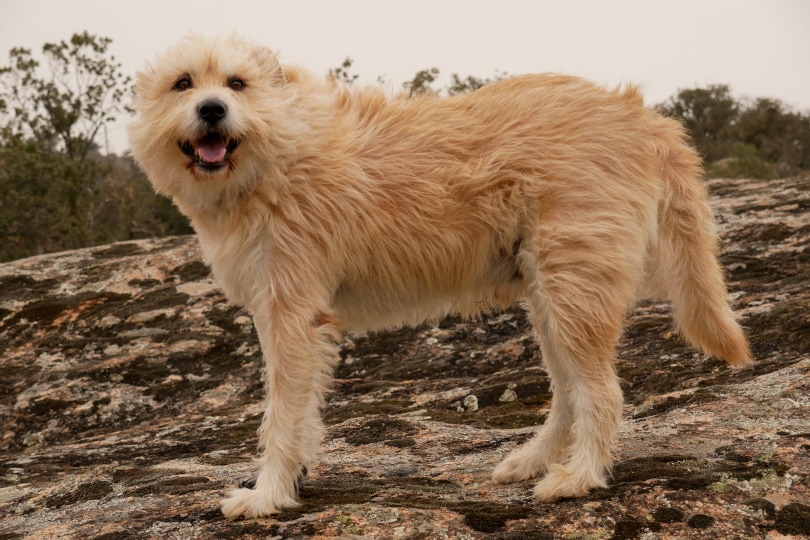
The Dutch Ratter is a small dog that typically weighs between 9-10 kg, with males being slightly heavier than females. Its sturdy build and compact size make it an ideal choice for apartment living. The head is rounded, with triangular-shaped ears and dark eyes that are both expressive and benevolent.
One of the breed’s most distinctive features is its coat. The Smoushond Olandese has a thick, rough, and wiry coat that gives it a unique appearance. The color can range from yellow to cream, with darker shades of brown or black. The long hair on the head, face, and legs gives it a distinctive “mutton-chop” look.
The Dutch Ratter is also known for its compact size, which makes it well-suited for small living spaces. It requires minimal exercise, making it an ideal choice for city dwellers who want a pet that can thrive in a busy environment.
Temperament
Despite its name, the Dutch Ratter is not a hunting dog at heart. Instead, it’s a friendly and outgoing companion that loves people and enjoys playing with children. It’s relatively low-maintenance, easy to train, and never shows signs of hyperactivity or fearfulness.
The breed is also known for its loyalty and affection towards its owners. Dutch Ratters are natural pack animals and thrive on human interaction, making them excellent family pets. They are generally quiet dogs that don’t bark excessively, but they will vocalize when they want attention or are seeking playtime.
History in Germany
During World War II, the breed was nearly wiped out due to neglect and lack of care. However, thanks to dedicated breeders who worked tirelessly to restore the Smoushond Olandese to its former glory, this dog is once again thriving.
After the war, the Dutch Ratter’s popularity declined, but in recent years, efforts have been made to revive interest in the breed. Breeders have worked hard to preserve the breed’s original characteristics and traits, ensuring that the Dutch Ratter remains a unique and special companion.
Rarity and Recognition
The Dutch Ratter is not a widely recognized breed outside of Europe, but it’s gaining popularity among enthusiasts worldwide. The United Kennel Club (UKC) recognizes it as a Terrier breed, while the FCI lists it under Pinschers and Schnauzers. Efforts to promote this rare breed continue, making it a fascinating addition to any dog collection.
Despite its limited recognition, the Dutch Ratter is gaining popularity among dog enthusiasts due to its unique characteristics and loving nature. As more people learn about this small but mighty breed, we can expect to see an increase in adoption rates and a wider appreciation for the Dutch Ratter’s charms.
Conclusion
The Dutch Ratter is an unlikely hero in the world of canine companionship. With its remarkable history, unique characteristics, and affectionate personality, it’s no wonder this small but mighty dog has won the hearts of many animal lovers. Whether you’re a seasoned breeder or simply looking for a new furry friend, consider adding a Dutch Ratter to your family.
Frequently Asked Questions
- Q: What is the origin of the Smoushond Olandese?
A: The breed’s history dates back to ancient times, with some sources tracing its ancestry to the Terrier breed. - Q: Why is it called the “Ratter”?
A: Despite its name suggesting it was bred to catch rats, this dog has lost most of its hunting instinct and is now perfect for apartment living. - Q: Is the Dutch Ratter a recognized breed globally?
A: While not widely recognized outside Europe, the breed is gaining popularity among enthusiasts worldwide. - Q: What are the typical characteristics of a Dutch Ratter?
A: The breed typically weighs between 9-10 kg, with males being slightly heavier than females, and has a sturdy build, compact size, rounded head, triangular-shaped ears, and dark eyes. - Q: Is the Dutch Ratter easy to train?
A: Yes, this dog is relatively low-maintenance and easy to train due to its friendly and outgoing personality. - Q: Can I have a Dutch Ratter if I live in an apartment?
A: Absolutely! The breed’s compact size and gentle nature make it perfect for apartment living. - Q: Is the Dutch Ratter suitable for families with children?
A: Yes, this dog loves playing with children and is relatively low-maintenance, making it an excellent choice for families. - Q: How can I learn more about the Dutch Ratter breed?
A: Visit reputable breeders, join online forums or social media groups dedicated to this breed, or consult with experts in canine breeding and care.
By following these guidelines, you’ll be able to create a high-quality article that showcases your expertise on the Smoushond Olandese. Good luck!


