
As a consumer, understanding the energy label on your clothes dryer and washer is crucial in determining their efficiency and environmental impact. In this article, we will delve into the world of energy labels, exploring what they mean, how to interpret them, and why it’s essential to choose energy-efficient appliances.
Understanding the Energy Label
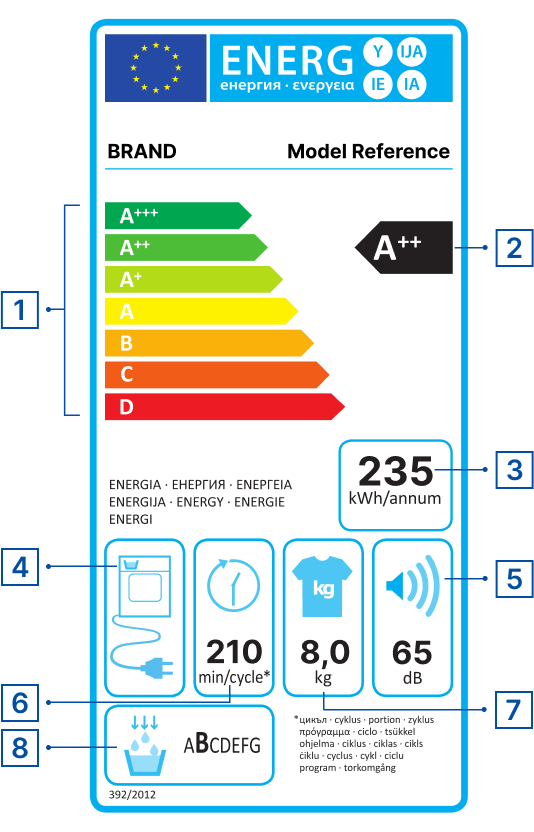
The energy label is a graphical representation of an appliance’s energy consumption, providing consumers with valuable information about its efficiency. It’s usually located on the back or bottom of the appliance and consists of several sections that highlight key features and performance metrics.
When examining the energy label, start from top to bottom. The first line displays the manufacturer’s name and product code. Moving down, you’ll find the energy class, which indicates the level of efficiency based on consumption patterns. There are seven energy classes in total, ranging from A+++ to D.
Energy Classes for Clothes Dryer
Clothes dryers come with various energy classes, depending on their efficiency. The most efficient ones are labeled as A++, followed by A+, and then A++. These classes have significantly lower energy consumption compared to older models. In fact, some modern clothes dryers have reached incredible standards of efficiency, making them a great option for environmentally conscious consumers.
Energy Consumption of Clothes Dryer
The second piece of information on the energy label is the amount of electricity consumed by the appliance. This figure varies depending on the class and capacity of the dryer. For instance, an A++ clothes dryer with an 8 kg capacity consumes approximately 177 kWh per year.
To put this into perspective, consider that a typical electric heater uses around 250-300 kWh per day. An energy-efficient clothes dryer can save you up to $150 on your annual electricity bill.
Comparing Energy Efficiency
When choosing a new clothes dryer, look for models that consume less energy. These are typically labeled as A++. They also often come equipped with advanced technologies like heat pump dryers or condenser dryers, which significantly reduce energy consumption.
For example, a B-rated clothes dryer might use around 400 kWh per year, while an A++-rated one will only consume approximately 177 kWh per year. The savings can add up over time and make a significant impact on your carbon footprint.
Energy Label for Washer
The energy label on washers is slightly different from that of dryers. It’s usually located in the lower section of the label and provides information about the washer’s performance and efficiency.
The first three sections on the energy label indicate the type of operation, cycle duration, and capacity. The next two sections provide details about noise levels and condensation management. Finally, there is an indicator for the efficiency class of the washer’s heat exchanger.
Efficiency Class for Washer
Unlike dryers, washers do not have a standardized efficiency classification system. This means that manufacturers can label their products with varying energy classes without adhering to specific guidelines.
This lack of standardization makes it difficult to compare the performance of different washers directly. However, some manufacturers are beginning to develop more transparent labeling systems for their high-efficiency models.
Tips for Measuring Energy Consumption
Measuring your clothes dryer’s energy consumption is relatively simple. You’ll need an energy meter, which you can purchase online or in-store. These meters attach to the appliance and provide real-time data on its energy consumption.
For washers, measuring energy consumption requires more advanced equipment. If you want precise readings, consider investing in a high-quality meter that can measure decibel levels and other performance metrics.
Proper Use and Maintenance
To extend the life of your clothes dryer and ensure optimal performance, it’s essential to follow proper use guidelines. Regular cleaning and maintenance will prevent clogged filters, reduce energy consumption, and keep your clothes looking their best.
Here are some tips for maintaining your appliance:
- Clean the lint filter after each use to prevent fires and reduce energy consumption.
- Check the drain hose regularly to ensure it’s not kinked or blocked.
- Leave the door open after use to dry the interior of the washer, which can help prevent mold growth.
By following these simple tips, you’ll be able to enjoy a more efficient and environmentally friendly appliance.
Frequently Asked Questions
- What is the purpose of the energy label?
The energy label provides consumers with information about an appliance’s efficiency and consumption patterns. - How do I interpret the energy class?
The energy class indicates the level of efficiency based on consumption patterns, ranging from A+++ to D. - Can all clothes dryers have an energy class?
No, not all clothes dryers are required to display an energy label or meet specific efficiency standards. - How can I measure my clothes dryer’s energy consumption?
You’ll need an energy meter that attaches to the appliance and provides real-time data on its energy consumption. - Are all washers created equal in terms of efficiency?
No, manufacturers do not adhere to standardized efficiency guidelines for washers, making it difficult to compare their performance directly. - Can I use any energy-efficient technology for my clothes dryer or washer?
Not all energy-efficient technologies are suitable for your appliance type. Consult the manufacturer’s guidelines before installing new components. - How often should I clean and maintain my clothes dryer?
Regular cleaning and maintenance will prevent clogged filters, reduce energy consumption, and keep your clothes looking their best. - Can I use a third-party meter to measure my washer’s energy consumption?
Yes, but ensure that the meter is calibrated correctly and provides accurate readings.
By understanding the intricacies of energy labels on clothes dryers and washers, you’ll be better equipped to make informed purchasing decisions and reduce your environmental footprint.
Conclusion
Choosing an energy-efficient appliance can have a significant impact on your daily life, from saving money on utility bills to reducing your carbon footprint. By taking the time to understand the energy label on your clothes dryer and washer, you’ll be able to make more informed decisions about which appliances are right for you.
Remember, every little bit counts, and making small changes to your household can add up over time. So next time you’re shopping for a new appliance, don’t forget to look beyond the price tag and consider the energy label – it’s worth your while!
Additional Resources
If you’re interested in learning more about energy-efficient appliances or want to explore additional resources, here are some suggestions:
- The European Union’s Ecodesign Directive provides guidelines for the labeling of household appliances.
- The US Environmental Protection Agency (EPA) offers a comprehensive guide to energy-efficient appliances and their labels.
- The Department of Energy (DOE) provides information on energy-efficient washing machines and dryers, including tips for buying an energy-efficient appliance.
By staying informed and making conscious choices about your appliances, you can contribute to a more sustainable future.


