
Skin dehydration is a common skin problem characterized by the lack of sebum and lipids, leading to an insufficient lipid protective layer, resulting in dryness. Causes can be constitutional, seasonal, or related to age or external factors. Dehydrated skin presents as thin, fine, transparent, and rough to the touch. If not properly treated, dehydrated skin may be prone to cracking and premature aging.
Understanding Skin Dehydration
To comprehend the issue of dehydrated skin, let’s delve into its causes and effects. Skin dehydration occurs when the skin’s natural lipid layer is insufficient, causing dryness and discomfort. This can lead to a range of issues, including cracks, itchiness, and premature aging.
Causes of Skin Dehydration
There are several causes of skin dehydration, including:
- Genetic predisposition: Some people may be more prone to dehydrated skin due to their genetic makeup.
- Seasonal changes: Dry air during the winter months can lead to dehydrated skin.
- Age: As we age, our skin’s natural ability to retain moisture decreases, making us more susceptible to dehydration.
- Environmental factors: Exposure to harsh chemicals, wind, and dry air can all contribute to skin dehydration.
Prevention Strategies
Preventing skin dehydration is crucial to maintaining healthy, hydrated skin. Here are some daily habits to help prevent dehydrated skin:
- Avoid extreme temperatures: Extreme heat or cold can strip the skin of its natural moisture.
- Limit sun exposure: Prolonged sun exposure can lead to dehydration and premature aging.
- Exfoliate with natural products: Natural exfoliants like sugar or salt can help remove dead skin cells and reveal brighter, smoother skin.
- Massage regularly: Massaging the skin can increase blood flow and promote lymphatic drainage.
- Avoid harsh products: Harsh products containing alcohol, artificial fragrances, and dyes can strip the skin of its natural moisture.
- Use gentle towels: Using soft towels to dry the skin can help prevent stripping away natural oils.
Nutritional Strategies
A well-balanced diet rich in essential nutrients is vital for maintaining healthy, hydrated skin. Here are some dietary tips:
- Eat antioxidant-rich foods: Foods high in antioxidants like berries, leafy greens, and other fruits and vegetables can help combat free radicals that damage the skin.
- Include omega-3 and omega-6 rich foods: Omega-3 and omega-6 fatty acids play a crucial role in maintaining healthy skin. Foods rich in these essential fatty acids include fatty fish, nuts, and seeds.
- Limit processed and high-sodium foods: Processed and high-sodium foods can lead to dehydration and inflammation.
Choosing the Right Skincare Products
Selecting the right skincare products is essential for maintaining healthy, hydrated skin. Here are some tips:
- Choose moisturizing creams: Moisturizing creams containing water and a low percentage of oils can help hydrate the skin naturally.
- Avoid harsh chemicals: Harsh chemicals like parabens, phthalates, and artificial fragrances can strip the skin of its natural moisture.
- Opt for natural sponges: Natural sponges are gentle on the skin and can help prevent stripping away natural oils.
Natural Remedies
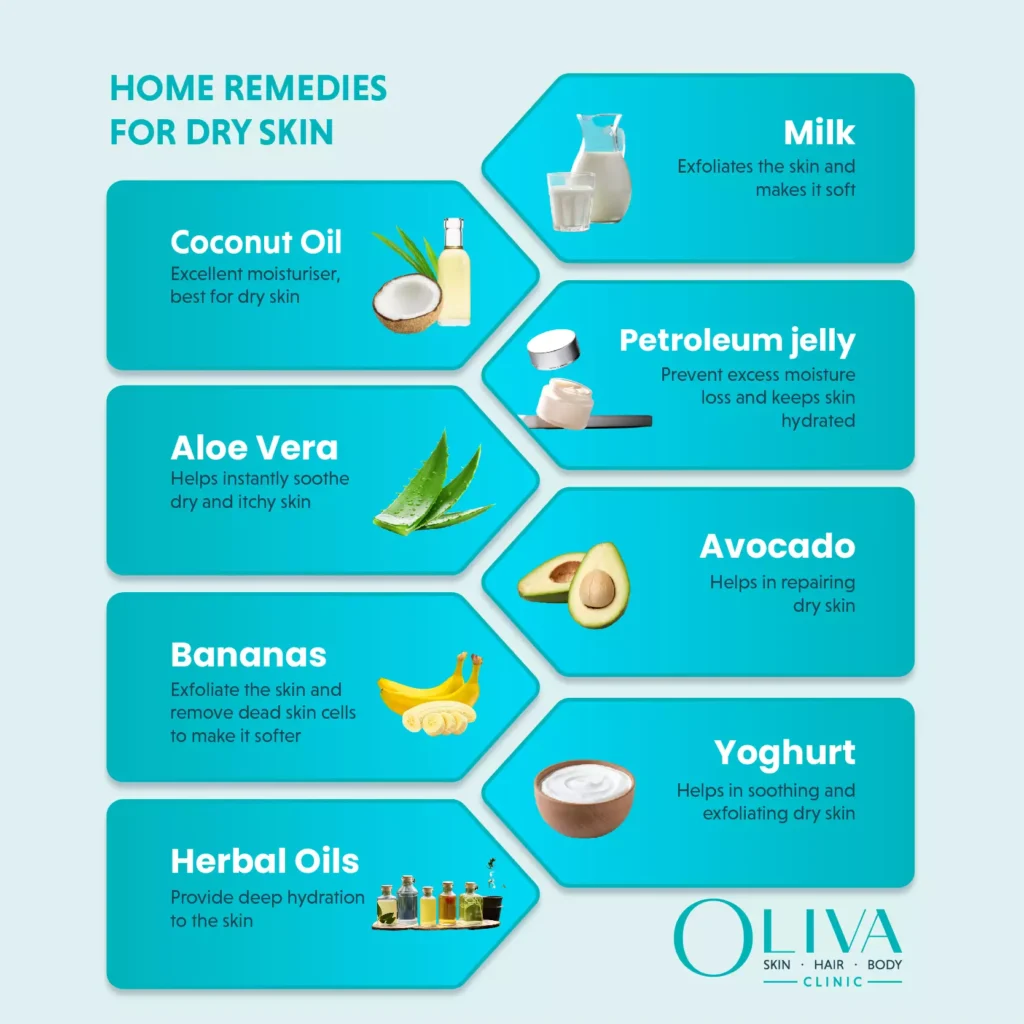
In addition to prevention strategies and dietary tips, there are several natural remedies that can help alleviate dehydrated skin. Here are some options:
- Coconut oil: Coconut oil is rich in fatty acids that can help hydrate the skin.
- Honey: Honey has antibacterial properties that can help soothe and moisturize the skin.
- Olive oil: Olive oil is rich in antioxidants that can help combat free radicals that damage the skin.
- Aloe vera: Aloe vera is a natural soothing agent that can help calm and hydrate the skin.
Treatment Options
If you’re experiencing dehydrated skin, there are several treatment options available. Here are some options:
- Moisturizers: Moisturizing creams and lotions can help hydrate the skin naturally.
- Topical treatments: Topical treatments like hyaluronic acid and glycerin can help lock in moisture and soothe dry skin.
- Chemical peels: Chemical peels containing natural ingredients like alpha-hydroxy acids (AHAs) and beta-hydroxy acids (BHAs) can help exfoliate the skin and promote cell turnover.
- Light therapy: Light therapy using devices like LED lights or IPL machines can help increase collagen production and improve skin texture.
FAQs
- How often should I exfoliate my skin?
Exfoliating once or twice a week is sufficient to remove dead skin cells and reveal brighter, smoother skin. - What foods are rich in antioxidants?
Foods high in antioxidants include berries, leafy greens, nuts, and seeds. - Can I use harsh products on my skin?
Harsh products containing alcohol, artificial fragrances, and dyes can strip the skin of its natural moisture. - How often should I massage my skin?
Massaging your skin once or twice a week can increase blood flow and promote lymphatic drainage. - What are some natural exfoliants?
Natural exfoliants like sugar, salt, and coffee grounds can help remove dead skin cells and reveal brighter, smoother skin. - Can I use chemical peels on my skin?
Chemical peels containing harsh chemicals like triclosan and phenol can damage the skin and lead to dehydration. - How often should I drink water?
Drinking at least eight glasses of water a day is essential for maintaining healthy, hydrated skin. - Can I use natural sponges on my skin?
Natural sponges are gentle on the skin and can help prevent stripping away natural oils.
By incorporating these prevention strategies, nutritional tips, skincare product recommendations, natural remedies, treatment options, and FAQs into your daily routine, you can maintain healthy, hydrated skin that glows from within.


