
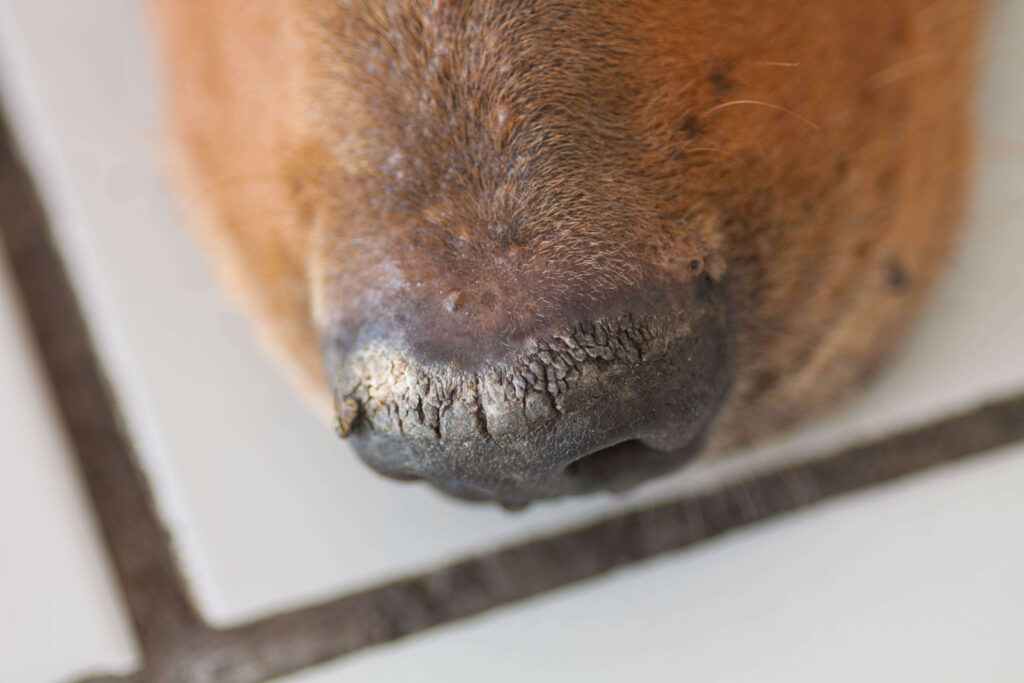
As a dog owner, it’s natural to worry when your furry friend comes home with a dry nose. But is it always a cause for concern? In this article, we’ll explore the reasons behind a dry nose in dogs, when it’s normal, and when you should take action.
The Normal Occurrences: Nasal Dryness in Dogs
A dry nose in dogs can be caused by several factors, and not all of them are alarming. In the summer months, when temperatures soar, it’s common for dogs to develop a dry nose due to excessive sun exposure or lack of airflow. Breeds with lighter-colored coats, such as those with white or pink noses, are more prone to this condition.
One way to combat nasal dryness is to protect your dog’s skin from the sun using a suitable dermatological cream. However, it’s essential to note that human sunscreen is not safe for dogs and should be avoided at all costs.
To alleviate the issue, taking your dog on longer walks in shaded areas or providing access to water sources can help. Avoiding aquatic activities, such as swimming in saltwater lakes or rivers, is also recommended, as the high concentration of salt can exacerbate the condition.
In contrast, during the winter months, when temperatures drop, a dry nose can be caused by heating systems that dry out the air. This can lead to discomfort and irritation for your dog. In such cases, taking your dog on short breaks outside or providing access to cool water sources can help alleviate the issue.
Other Causes of Nasal Dryness in Dogs
While sun exposure is a common cause of nasal dryness, there are other factors that contribute to this condition. One significant contributor is dehydration, which can occur if your dog doesn’t drink enough water throughout the day. Make sure to provide access to fresh water at all times and consider using a water fountain or misting system to keep your dog hydrated.
Another cause of nasal dryness in dogs is allergies, particularly food allergies or sensitivities. In such cases, feeding a balanced diet that takes into account your dog’s specific needs can help alleviate the issue. Working with a veterinarian to determine the underlying allergy and developing a treatment plan can also be beneficial.
The Importance of Nasal Health
Maintaining optimal nasal health is crucial for your dog’s overall well-being. A healthy nose helps to regulate your dog’s breathing, preventing conditions such as respiratory infections or allergies. When your dog’s nose becomes dry and irritated, it can lead to discomfort, coughing, and other complications.
When to Seek Veterinary Attention
While many cases of nasal dryness in dogs are harmless, there are instances where it’s essential to seek veterinary attention. If you notice any of the following symptoms, consult your veterinarian:
- A recurring or persistent dry nose
- Discharge or crusting around the nostrils
- Redness or swelling in the nasal area
- Loss of appetite or lethargy
- Difficulty breathing
In some cases, a dry nose can be a sign of an underlying health issue. If you’re concerned about your dog’s nasal dryness, it’s always best to err on the side of caution and consult with your veterinarian.
Common Signs and Symptoms
Recognizing common signs and symptoms of nasal dryness in dogs is essential for early intervention and prevention of complications. Some common signs include:
- Nasal discharge or crusting
- Redness or swelling around the nostrils
- Increased coughing or difficulty breathing
- Loss of appetite or lethargy
- Discharge from the eyes
Home Remedies
In some cases, home remedies can help alleviate nasal dryness in dogs. Some effective home remedies include:
- Using a humidifier to maintain optimal humidity levels
- Providing access to fresh water and a balanced diet
- Applying a suitable dermatological cream to protect your dog’s skin from the sun
- Taking your dog on short breaks outside or providing access to cool water sources during hot weather
Veterinary Treatment
While home remedies can be effective in alleviating nasal dryness, there may be instances where veterinary treatment is necessary. Your veterinarian may recommend the following treatments:
- Antibiotics or anti-inflammatory medications to combat bacterial infections
- Steroids or immunomodulatory therapy to address allergic reactions
- Nasal saline irrigations to help clear mucus and debris
- Dietary changes or supplements to support your dog’s overall health
Conclusion
A dry nose in dogs is often caused by normal factors such as sun exposure or dehydration, but it’s essential to seek veterinary attention if symptoms persist or worsen. By taking preventative measures, such as providing access to fresh water and protecting your dog from excessive sun exposure, you can help alleviate nasal dryness and keep your furry friend happy and healthy.
Frequently Asked Questions
- How often should I check my dog’s nose for signs of dryness?
- Monitor your dog’s nasal health regularly, especially in hot weather.
- Can a dry nose be caused by allergies?
- Yes, food allergies or sensitivities can contribute to nasal dryness in dogs.
- How can I prevent my dog from developing a dry nose?
- Provide access to fresh water, protect your dog from excessive sun exposure, and consider using a humidifier to maintain optimal humidity levels.
- Can a dry nose be a sign of an underlying health issue?
- Yes, in some cases, nasal dryness can be a symptom of an underlying health problem.
- When should I take my dog to the veterinarian if they have a dry nose?
- Consult your veterinarian if you notice any of the following symptoms: persistent or recurring dryness, discharge or crusting around the nostrils, redness or swelling in the nasal area, loss of appetite or lethargy, or difficulty breathing.


