
Are you tired of feeling like your mouth is dry and uncomfortable? You’re not alone. A condition known as xerostomia, or dry mouth, affects millions of people worldwide. In this article, we’ll explore the causes of dry mouth, its symptoms, and some effective remedies to alleviate these issues.
What Causes Dry Mouth?
Dry mouth is a common condition characterized by a decrease in saliva production, which can be caused by various factors such as:
- Dishydration: Not drinking enough water or consuming dehydrating beverages.
- Stress and anxiety: The body’s stress response can cause the salivary glands to produce less saliva.
- Excessive tobacco consumption: Tobacco use can damage the salivary glands, leading to dry mouth.
- Certain medications: Some medications, such as antihistamines and decongestants, can reduce saliva production as a side effect.
- Nasal congestion: Nasal congestion can lead to dry mouth by reducing airflow through the nasal passages.
- Salivary gland disorders: Conditions like Sjögren’s syndrome or parotitis can cause dry mouth by damaging the salivary glands.
- Diabetes: High blood sugar levels can damage the nerves that control saliva production, leading to dry mouth.
- Metabolic disorders: Certain metabolic disorders, such as hypothyroidism, can also cause dry mouth.
- Radiation therapy: Radiation treatment for cancer in the head and neck region can damage the salivary glands, causing dry mouth.
- Autoimmune diseases: Conditions like rheumatoid arthritis or lupus can increase the risk of developing dry mouth.
- Chemotherapy: Chemotherapy for certain cancers can cause dry mouth by damaging the salivary glands.
The Consequences of Dry Mouth
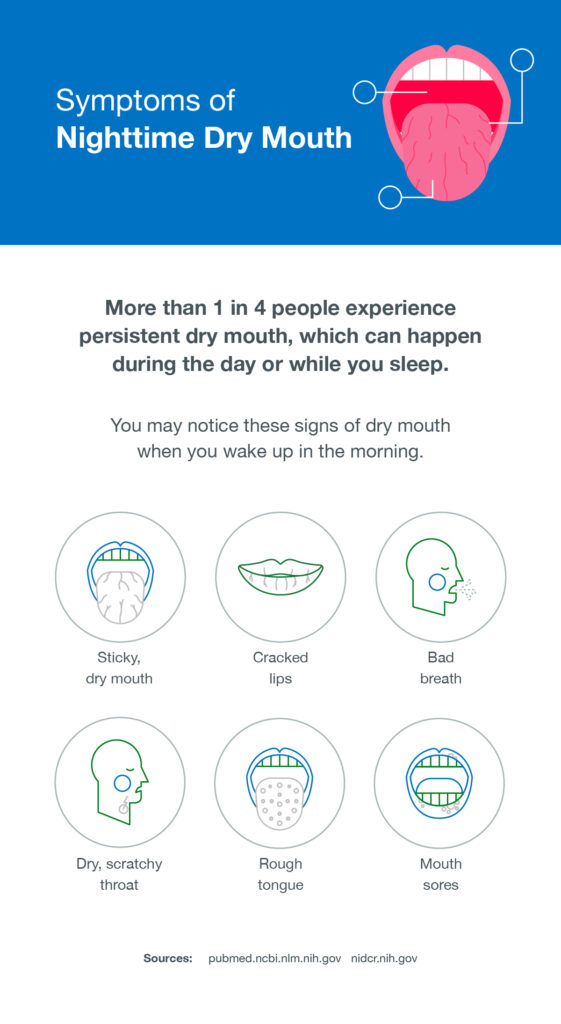
Saliva plays a crucial role in maintaining oral health. It helps to prevent tooth decay, promotes digestion, and enhances the sense of taste. Without enough saliva, you may experience:
- Tooth sensitivity: Saliva helps protect teeth from acid attacks by neutralizing acids.
- Difficulty chewing and swallowing: Dry mouth can make it hard for food to move through the digestive system.
- Cracked lips: The dryness of a mouth can lead to cracked, chapped lips that are prone to bleeding or ulcers.
- Dry, rough tongue: A lack of saliva can cause the tongue to become dry and rough, leading to difficulties with taste and swallowing.
- Irritation in the throat: Dry mouth can irritate the lining of the throat, causing discomfort and pain.
- Bad breath: A lack of saliva can lead to bad breath (halitosis) as bacteria thrive in a dry environment.
- Insensitivity to food flavors: The reduced moisture content in the mouth can make it harder for flavors to be detected by taste buds.
- Soreness in the mouth and throat: Dry mouth can cause pain and discomfort in the mouth, tongue, and throat.
- Increased risk of tooth decay: Saliva helps prevent tooth decay by washing away bacteria. Without enough saliva, the risk of tooth decay increases.
Medical Treatments for Dry Mouth
In some cases, medical treatment may be necessary to alleviate dry mouth symptoms:
1. Medications
Certain medications can help stimulate saliva production or reduce dryness in the mouth:
- Chlorhexidine: This antiseptic mouthwash helps kill bacteria and reduces inflammation.
- Artificial sweeteners: These can help stimulate saliva production without adding calories.
2. Saline Gels
Saline gels can be applied to the mouth to moisturize it and reduce dryness:
- Oral rinse products: Products like chlorhexidine or xylitol contain antibacterial agents that can help combat oral health issues.
- Saliva stimulants: Certain medications, such as pilocarpine, stimulate saliva production.
3. Hormone Replacement Therapy
In some cases, hormone replacement therapy (HRT) may be necessary to alleviate dry mouth symptoms:
- Estrogen and progesterone therapy: For women with hypoestrogenism or postmenopausal dry mouth.
Natural Remedies for Dry Mouth
Fortunately, there are several natural remedies that can help alleviate dry mouth symptoms:
1. Green Tea
The tannins present in green tea have been shown to combat oral health issues by reducing bacteria and inflammation:
- Steep one teaspoon of green tea leaves in a cup of boiling water for 15 minutes.
- Strain and drink two cups of green tea per day, morning and evening.
2. Aloe Vera Juice
Aloe vera’s mucilages can help protect oral tissues and papillae taste buds:
- Combine 5 tablespoons of aloe vera gel with 150 ml of water and a spoonful of honey in a blender.
- Blend until smooth and drink one glass before meals, as needed.
3. Gargling with Salt Water
Gargling with salt water can help reduce inflammation and kill bacteria:
- Dissolve 1/4 teaspoon of salt in 8 ounces of warm water.
- Gargle for 30 seconds, then spit out the solution.
4. Chewable Gummies or Tablets
Chewable gummies or tablets containing xylitol can help stimulate saliva production:
- Look for products that contain at least 1 gram of xylitol per serving.
- Chew one piece before meals to stimulate saliva production.
5. Stay Hydrated
Drinking plenty of water throughout the day is essential to maintaining a healthy oral environment:
- Drink at least 8 cups of water per day, aiming for more if you live in a hot climate or engage in strenuous physical activity.
- Avoid dehydrating beverages like coffee and soda that can exacerbate dry mouth symptoms.
6. Maintain Good Oral Hygiene
Regular brushing, flossing, and dental check-ups are crucial to maintaining good oral health:
- Brush your teeth at least twice per day with a fluoride toothpaste.
- Floss once daily to remove plaque from between teeth and under the gumline.
7. Avoid Dry-Burning Foods
Avoid consuming foods that can dry out the mouth, such as spicy or acidic foods:
- Eat crunchy fruits like apples or carrots to stimulate saliva production.
- Opt for sugar-free chewing gums instead of sugary candy.
By understanding the causes and consequences of dry mouth, you can take steps to alleviate its effects.


