
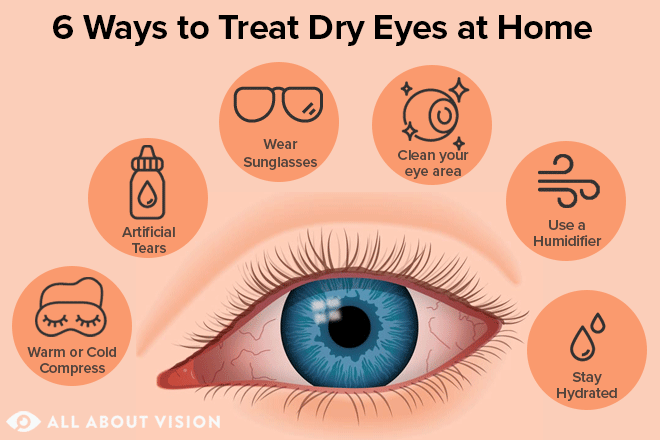
Are you experiencing eye dryness? You’re not alone. Eye dryness, also known as ocular surface disease or keratoconjunctivitis sicca, is a common condition that affects millions of people worldwide. But what exactly causes it, and how can you treat it?
What are Tears?
Before we dive into the world of eye dryness, let’s take a quick look at tears. Tears are a vital component of our eyes’ health, providing moisture and lubrication to help us see clearly. They’re made up of water, mucins, lipids, and other substances that work together to keep our eyes healthy.
But what happens when we don’t have enough tears? That’s where eye dryness comes in.
The Science Behind Eye Dryness
Eye dryness occurs when the tear film on your eye is disrupted, causing a lack of moisture. This can lead to symptoms like:
- Irritation and discomfort
- Sensitivity to light
- Blurred vision
- Itching or burning sensations
But why does this happen? Well, it’s often due to an imbalance in our tear ducts, which can be caused by factors like:
- Age (as we get older, our tear production slows down)
- Environmental conditions (dry air, temperature changes)
- Certain medications (antihistamines, decongestants)
- Medical conditions (Sjogren’s syndrome, dry eye syndrome)
Causes of Eye Dryness
There are many potential causes of eye dryness. Some of the most common include:
- Dry air: Low humidity can cause your tears to evaporate quickly, leading to dryness.
- Temperature changes: Sudden changes in temperature can disrupt your tear film, causing discomfort.
- Medications: Certain medications, like antihistamines and decongestants, can reduce tear production.
- Medical conditions: Conditions like Sjogren’s syndrome, dry eye syndrome, and arthritic diseases can affect tear production.
Treatment Options for Eye Dryness
So what can you do to treat eye dryness? Here are some options:
- Artificial tears: Over-the-counter artificial tears can help lubricate your eyes.
- Prescription medications: Your doctor may prescribe medicated drops or ointments to help stimulate tear production.
- Punctal plugs: These small devices are inserted into the punctum (the opening of the tear duct) to block excess tears and allow more to flow in.
Home Remedies for Eye Dryness
While medical treatment can provide relief, there are also some home remedies that may help alleviate eye dryness:
- Warm compresses: Applying a warm compress to your eyes can help loosen up any blockages in the tear ducts.
- Humidifiers: Running a humidifier in your home can add moisture to the air and help reduce dryness.
- Eye drops with soothing ingredients: Drops containing ingredients like aloe vera, chamomile, or green tea may help calm irritated eyes.
Prevention is Key
To avoid eye dryness, there are some steps you can take:
- Use artificial tears regularly: Keeping your eyes lubricated can help prevent dryness.
- Stay hydrated: Drinking plenty of water can help keep your body’s moisture levels up.
- Avoid rubbing your eyes: This can irritate the eyes and make dryness worse.
Conclusion
Eye dryness is a common condition that affects millions of people worldwide. By understanding the causes and symptoms, you can take steps to treat it. From artificial tears to prescription medications, there are many options available. And by incorporating home remedies into your daily routine, you can find relief from eye dryness.
If you’re experiencing persistent or severe eye dryness, don’t hesitate to consult with an eye doctor for proper diagnosis and treatment.
Frequently Asked Questions
Here are some answers to common questions about eye dryness:
- Can I treat eye dryness on my own?
- While home remedies can provide relief, it’s best to consult with an eye doctor to determine the underlying cause of your eye dryness.
- Will eye dryness always go away?
- In some cases, eye dryness may be a chronic condition that requires ongoing treatment. However, with proper care and management, symptoms can often improve over time.
- Can I wear contacts while having eye dryness?
- If you have eye dryness, it’s best to consult with an eye doctor before wearing contact lenses to ensure they don’t exacerbate the condition.
- Is eye dryness related to other health conditions?
- Yes, eye dryness can be a symptom of underlying medical conditions like Sjogren’s syndrome or dry eye syndrome.
Additional Tips
Here are some additional tips that may help alleviate eye dryness:
- Avoid allergens: If you have allergies, take steps to avoid exposure to allergens.
- Use a humidifier in your car: Dry air can exacerbate eye dryness, especially when driving long distances.
- Wear sunglasses: Protecting your eyes from the sun’s glare can help reduce discomfort.
By taking these steps and understanding more about eye dryness, you can take control of your eye health and find relief from this common condition.


