
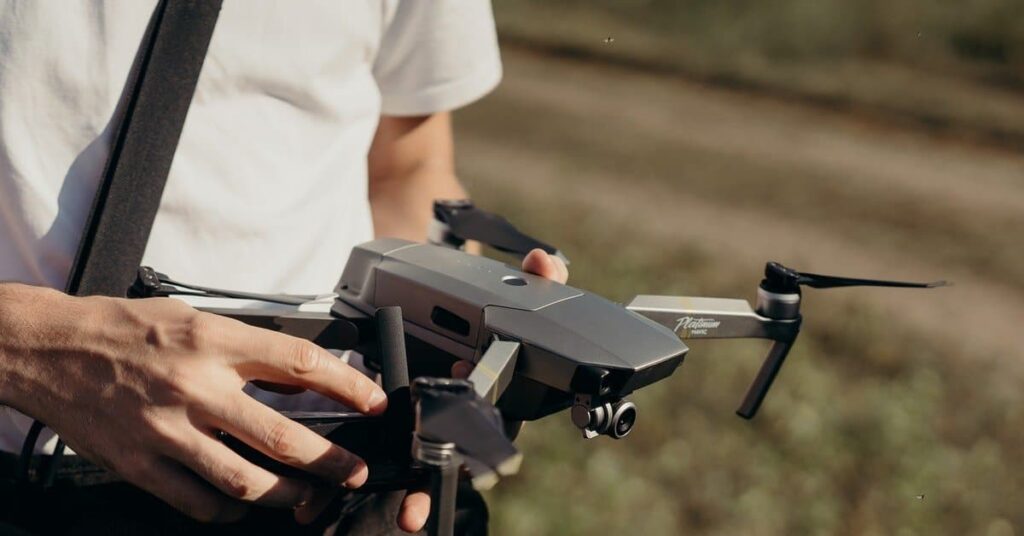
In recent years, the world of drone pilots has exploded in popularity. With the increasing demand for aerial footage and photography, drones have become an essential tool in various industries, from filmmaking to environmental monitoring. But what exactly is a drone pilot, and how did this profession come to be? In this article, we’ll delve into the world of drone piloting and explore its history, challenges, and opportunities.
What is a Drone Pilot?
A drone pilot, also known as a SARP (Sistema Aeromobile a Pilotaggio Remoto), is an individual who operates a remote-controlled aerial vehicle, commonly referred to as a drone. These pilots are responsible for navigating the drone through challenging environments, capturing high-quality footage and images, and ensuring the safety of both people and property.
The Rise of Drone Pilots
Drones have revolutionized the way we capture and experience visual content. Gone are the days of relying on helicopters or airplanes to get aerial shots; drones have made it possible for anyone with a smartphone to become a pilot. With the advent of affordable drone technology, the number of drone pilots has skyrocketed.
Applications of Drone Pilots
Drones have a wide range of applications in various industries, including:
- Film and Photography: Drones are used to capture stunning aerial footage and images for movies, TV shows, and advertising campaigns.
- Environmental Monitoring: Drones are used to monitor wildlife populations, track weather patterns, and detect natural disasters.
- Construction and Infrastructure: Drones are used to map construction sites, inspect bridges, and survey land for development projects.
- Agriculture: Drones are used to monitor crop health, detect pests and diseases, and optimize irrigation systems.
Skills and Training
To become a drone pilot, one needs to possess a range of skills, including:
- Technical Knowledge: Understanding how drones work, including flight control systems, navigation, and sensor technology.
- Physical Stamina: Drone pilots need to be physically fit, as they may spend long periods in the air or navigating challenging terrain.
- Mental Focus: Drone pilots need to stay focused and alert during flights, especially in high-stress environments.
Certification and Regulations
The European Aviation Safety Agency (EASA) has established guidelines for drone pilots, including requirements for certification, insurance, and flight planning. In the United States, the Federal Aviation Administration (FAA) regulates drone operations under Part 107 of the Federal Aviation Act.
Conclusion
The rise of drone pilots has opened up new opportunities in various industries, from film and photography to environmental monitoring and construction. As technology continues to evolve, it’s likely that drone piloting will become an increasingly important profession.
Frequently Asked Questions (FAQs)
- What is the minimum age requirement to fly a drone?
- In the United States, the minimum age requirement to fly a drone under Part 107 of the Federal Aviation Act is 16 years old.
- Do I need a pilot’s license to fly a drone?
- No, but you must obtain certification from the FAA or EASA, depending on your location and type of flight operations.
- Can I fly my drone in national parks?
- In some cases, yes. However, you may need to obtain permission from park authorities before flying a drone.
Additional Resources
For more information on becoming a drone pilot, check out the following resources:
- The FAA’s Drone Pilot Portal
- EASA’s Drone Regulations Website
- The International Association of Aerial Photographers (IAAP)
Real-Life Examples of Drone Pilots in Action
Drones have been used in a variety of real-life scenarios, including:
- Search and Rescue Operations: Drones have been used to locate missing persons and provide critical information to emergency responders.
- Environmental Monitoring: Drones have been used to track wildlife populations, monitor ocean health, and detect natural disasters.
The Future of Drone Pilots
As technology continues to advance, we can expect to see more sophisticated drones in the skies. With advancements in artificial intelligence, drones will become even more capable of navigating complex environments and capturing high-quality footage.
Career Paths for Drone Pilots
Drones have opened up a range of career paths for pilots, including:
- Freelance Drone Pilot: Freelance pilots offer their services to clients on a project-by-project basis.
- Drone Operator: Drone operators work for companies that provide drone-based services such as aerial photography and videography.
The Importance of Safety
While drones have the potential to revolutionize various industries, safety is always a top priority. Drone pilots must be aware of the risks associated with flying and take steps to mitigate them.
Regulations and Guidelines
To ensure safe flight operations, drone pilots must comply with regulations and guidelines set by authorities such as the FAA and EASA. These regulations cover topics such as:
- Registration Requirements: Drone pilots must register their drones with the FAA or EASA.
- Flight Planning: Drone pilots must plan their flights to avoid restricted airspace and ensure compliance with air traffic control procedures.
Conclusion
The rise of drone pilots has opened up new opportunities in various industries, from film and photography to environmental monitoring and construction. As technology continues to evolve, it’s likely that drone piloting will become an increasingly important profession. By understanding the skills, training, and regulations required for drone piloting, individuals can take the first step towards a career in this exciting field.
Final Thoughts
The world of drone pilots is constantly evolving, with new technologies and innovations emerging every day. As we look to the future, one thing is clear: drones will continue to play an increasingly important role in various industries and aspects of our lives. Whether you’re interested in becoming a drone pilot or simply want to learn more about these fascinating machines, there’s never been a better time to explore this exciting field.


