
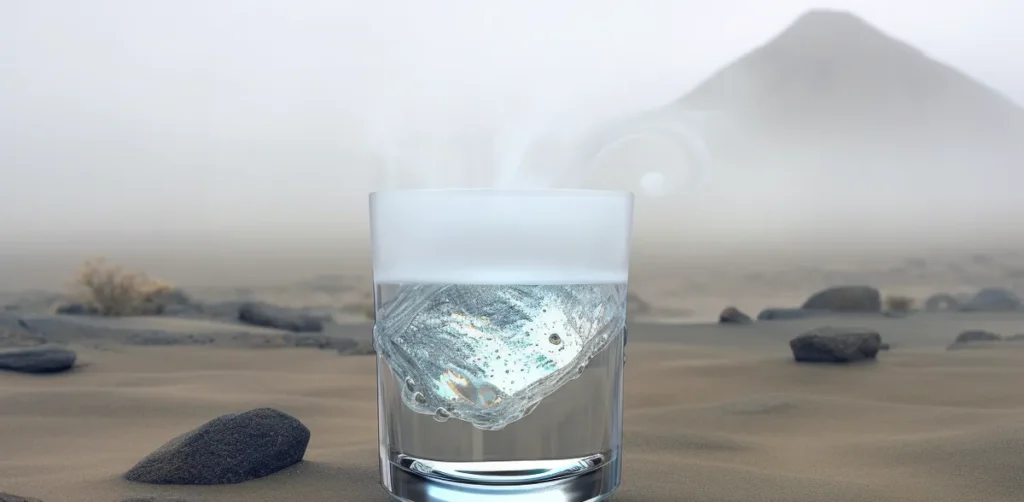
The Crisis of Potable Water: An Unprecedented Challenge
Potable water, a precious resource that is increasingly scarce and over-exploited. The crisis of potable water has reached alarming proportions, with many parts of the world facing severe droughts, water shortages, and unaffordable access to clean drinking water.
The Innovative Solution: WaLi – Water for Life
The WaLi project, born from a multidisciplinary collaboration between students at the Politecnica di Milano and Torino, has been working on developing innovative solutions to harness potable water from fog. This groundbreaking approach aims to provide clean drinking water, especially in areas where it is scarce or unaffordable.
How WaLi Works
The WaLi project focuses on creating thin, porous fabrics that can capture the condensation of fog droplets. These fabrics are then used to create a network of interconnected tubes, which collect and channel the collected water into a potable source. The system is simple, cost-effective, and can be easily installed in various settings.
From Italy to South America: Expanding the Reach
The WaLi project has gained international attention, with similar initiatives emerging in countries like Peru and Chile. These devices have been designed to capture fog droplets and convert them into clean water, providing a sustainable solution for communities facing water scarcity.
Addressing the Global Crisis of Potable Water
To better understand the scope of the crisis, let’s examine some statistics:
- In Italy, 2/3 of agricultural land is affected by drought, while the average daily consumption of potable water is around 245 liters per person.
- The Italian Coldiretti association reports that -47.4% of precipitation has decreased over the past decade, exacerbating the crisis.
- The economic impact of this crisis is significant, with losses estimated at over €2 billion.
WaLi: A Scalable Solution for the Global Water Crisis
The WaLi project is not just a response to Italy’s water crisis; it aims to provide a scalable solution for the global water shortage. By leveraging fog as a source of clean drinking water, WaLi seeks to:
- Reduce reliance on scarce potable water resources
- Provide sustainable access to clean drinking water in underserved communities
- Mitigate the impact of climate change on water availability
The Future of Water Harvesting: A New Era for Sustainable Development
As we move forward, it’s clear that traditional approaches to managing water resources will no longer suffice. The WaLi project represents a new frontier in sustainable development, one that leverages innovative technologies and collaborative efforts to address the pressing global challenge of potable water scarcity.
The Path Forward: Collaborative Research and Development
To realize the potential of WaLi and other fog-harvesting technologies, it’s essential to engage with stakeholders from various sectors, including academia, industry, and governments. By fostering a culture of collaboration and knowledge-sharing, we can accelerate the development of sustainable water solutions that benefit communities worldwide.
The Power of Innovation: Unlocking New Opportunities for Water Security
As we embark on this new journey, it’s essential to recognize the transformative power of innovation in addressing global challenges like potable water scarcity. By embracing cutting-edge technologies and collaborative approaches, we can unlock new opportunities for water security, ensuring a brighter future for generations to come.
Frequently Asked Questions:
- What is WaLi?
- WaLi (Water for Life) is a project that aims to harness potable water from fog using innovative fabrics and networks.
- How does WaLi work?
- WaLi uses thin, porous fabrics to capture fog droplets, which are then collected and channeled into a potable source.
- What is the global impact of the crisis of potable water?
- The crisis has severe economic, environmental, and social implications, affecting communities worldwide.
- How can WaLi contribute to addressing the global water crisis?
- By reducing reliance on scarce potable water resources and providing sustainable access to clean drinking water in underserved communities.


