
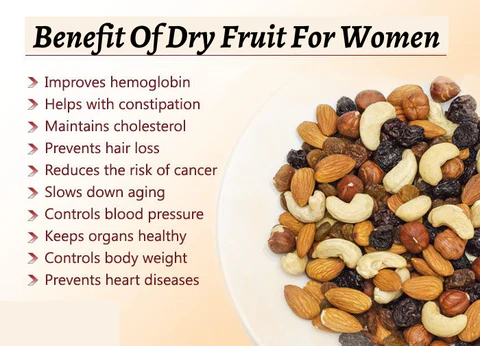
As the festive season approaches, many of us reach for our favorite dried fruits to satisfy our sweet tooth. However, there’s more to these delicious treats than just their taste. In fact, they’re packed with nutrients and offer numerous health benefits that can be enjoyed throughout the year, not just during holidays.
What is Dried Fruit?
Dried fruit is a natural snack made from fresh fruit that has been preserved by removing the water content through drying. This process concentrates the sugars, making it easier to digest and increasing its shelf life. While it’s true that dried fruit can be high in sugar, moderation is key.
The Nutritional Profile of Dried Fruit
Dried fruit is an excellent source of essential vitamins and minerals, including vitamin A, E, C, and K. It’s also rich in fiber, which plays a crucial role in promoting digestive health and preventing constipation. The mineral content varies depending on the type of dried fruit, but it often includes potassium, phosphorus, magnesium, calcium, and zinc.
Some types of dried fruit are particularly high in certain nutrients:
- Nuts and seeds (e.g., almonds, sunflower seeds) are rich in healthy fats, protein, and fiber.
- Dried citrus fruits like apricots, cranberries, and raisins contain high levels of vitamin C and potassium.
- Dates are a good source of potassium, copper, and iron.
Calories in Dried Fruit
The caloric content of dried fruit varies depending on the type and serving size. On average, 100 grams of dried fruit contains around 600-700 calories. However, some types like nuts and seeds can be much higher, while others like dates are relatively low in calories.
Here’s a rough breakdown of the caloric content of different types of dried fruit:
- Dried citrus fruits (e.g., apricots, cranberries): 300-400 calories per 100g
- Dates: 277 calories per 100g
- Nuts and seeds (e.g., almonds, sunflower seeds): 600-800 calories per 100g
Health Benefits of Dried Fruit
Dried fruit offers numerous health benefits that can be enjoyed by consuming it in moderation. Here are some of the key advantages:
- Supports Digestive Health: Fiber content in dried fruit helps promote regular bowel movements and prevents constipation.
- Lowers Cholesterol: The healthy fats and fiber in dried fruit can help lower cholesterol levels and reduce the risk of heart disease.
- Boosts Energy: Dried fruit is a natural source of energy, making it an excellent snack for athletes or individuals with busy lifestyles.
- Supports Healthy Bones: Many types of dried fruit are rich in minerals like calcium, phosphorus, and magnesium, which are essential for maintaining strong bones.
Incorporating Dried Fruit into Your Diet
Dried fruit can be a delicious and nutritious addition to your diet. Here are some ways to incorporate it:
- Add it to oatmeal or yogurt: Mix dried fruit like raisins, cranberries, or apricots into your breakfast cereal for added flavor and nutrition.
- Use it as a topping: Sprinkle dried fruit like almonds, pistachios, or sunflower seeds on top of salads or smoothie bowls.
- Make homemade energy balls: Mix dried fruit with nuts, seeds, and honey to create healthy energy balls that are perfect for snacking on the go.
Tips for Enjoying Dried Fruit
To get the most out of dried fruit, follow these tips:
- Choose unsweetened varieties: Opt for unsweetened dried fruits like dates or apricots to avoid excessive sugar intake.
- Be mindful of portion sizes: Eat dried fruit in moderation, as it can be high in calories and sugar if consumed excessively.
- Pair with nuts or seeds: Combining dried fruit with nuts or seeds can provide a satisfying crunch and added nutrition.
Conclusion
Dried fruit is more than just a tasty treat; it’s also packed with nutrients and offers numerous health benefits. By incorporating it into your diet in moderation, you can enjoy the advantages of:
- Promoting digestive health
- Lowering cholesterol levels
- Boosting energy levels
- Supporting healthy bones
So next time you’re reaching for a snack or trying to boost your energy levels, consider reaching for dried fruit instead.
Frequently Asked Questions
- Is dried fruit high in sugar?
Dried fruit is indeed high in sugar, but moderation is key. Enjoying it in small amounts can be part of a healthy diet. - Can I eat dried fruit if I have diabetes?
While some types of dried fruit are high in sugar, others like dates and apricots are relatively low. However, individuals with diabetes should consult their healthcare provider before consuming dried fruit as part of their diet. - Is dried fruit good for my heart health?
Yes! The healthy fats, fiber, and antioxidants in dried fruit can help lower cholesterol levels and reduce the risk of heart disease. - Can I eat dried fruit if I’m vegetarian or vegan?
Dried fruit is an excellent source of protein for vegetarians and vegans. Some types like dates and apricots are high in potassium, while others like almonds and sunflower seeds are rich in healthy fats and fiber.
If you have any more questions about dried fruit or want to explore other topics related to nutrition and health, feel free to ask!


