
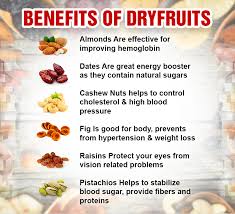
Dried fruit, or more specifically, dried fruits, are one of the most nutritious and energy-rich food groups from a nutritional standpoint. In fact, they represent a rich source of essential fatty acids, vitamins, minerals, and antioxidants.
Why is dried fruit called so? Unlike other fruits, it contains less than 50% of water. This applies to nuts like almonds, walnuts, and hazelnuts, which are commonly considered dried fruits due to their low moisture content.
In the past, many thought that consuming dried fruit would lead to an increase in weight due to its high caloric content and fat content. However, numerous studies have demonstrated the numerous benefits of dried fruit. Dried fruit is indeed an ideal food for those who want to lose weight, provided moderation is practiced. This is because it contains healthy fats. Additionally, it contributes to a sustained energy level throughout the day.
Benefits of Dried Fruit
As if that weren’t enough, dried fruit is rich in fiber. Therefore, it is recommended to combat the insatiable desire to eat more than necessary. There are many other reasons why you should increase your consumption of dried fruit.
Dried fruit improves heart health
The high concentration of essential fatty acids present in dried fruit makes it one of the primary allies for good cardiovascular health. According to experts, the presence of alpha-linolenic acid reduces the risk of cardiac arrhythmia and the accumulation of cholesterol in blood vessels.
Eating dried fruit regularly seems to be effective in reducing inflammation and cleansing the bloodstream.
Dried fruit maintains healthy blood vessels
The content of arginine, an essential amino acid, makes dried fruit maintain elastic blood vessels and prevent high blood pressure.
Protects brain health
Pistachios and other nuts have a significant amount of essential amino acids and antioxidants that may be effective in protecting memory and brain health. The content of folate, vitamin A, and vitamin E improves the function of the central nervous system and reduces the risk of dementia and Alzheimer’s disease.
Is anti-inflammatory
The omega-3 fatty acids present in dried fruit help reduce and control inflammation throughout the body. Many medical professionals and experts assert that most diseases are related to a lack of inflammation control.
Protects digestive health
Dried fruit’s main properties for digestive health are linked to its fiber content.
Fiber improves nutrient absorption and facilitates intestinal movement, which leads to proper waste elimination. These foods reduce the risk of indigestion and promote the development of beneficial gut bacteria, maintaining normal pH levels.
Prevents premature aging
All types of dried fruit are recommended for healthy skin due to their high vitamin E content, an antioxidant that slows down cellular damage caused by free radicals. It also helps preserve natural oils in the skin and maintains its elasticity.
Aids in muscle growth
Dried fruit is a rich source of protein and, therefore, useful for satisfying daily nutritional needs during physical activity.
Some nutritionists suggest consuming small amounts of dried fruit before going to bed. The fiber and healthy fats in it contribute to preventing muscle breakdown during sleep.
Combats obesity
Obese patients or those with obesity can benefit from consuming foods like dried fruits. According to experts, the high fiber and protein content promotes metabolic function; which translates to weight loss.
People who are obese will lose weight more easily if they include (obviously in moderation) nuts and other types of dried fruit in their diet compared to those who do not.
For every 100 grams of product, the calorie content does not exceed 600 kcal, even though it is one of the foods that satisfy greatly.
As you can see, there are many reasons why consuming dried fruit regularly would be beneficial. You can consume it on its own or add it to your favorite recipes.
Nutritional Benefits of Dried Fruits
Dried fruits contain a wide range of essential nutrients, including:
- Vitamins: Vitamin C, vitamin E, and B vitamins are all present in various forms.
- Minerals: Potassium, magnesium, iron, and zinc are some of the minerals found in dried fruit.
- Fiber: Dried fruit is an excellent source of dietary fiber, which can help with digestion and maintain healthy blood sugar levels.
- Protein: Many types of dried fruits contain protein, making them a good option for those looking to increase their protein intake.
How to Choose the Best Dried Fruits
When selecting dried fruits, it’s essential to consider several factors:
- Ingredient list: Look for products with minimal added sugars and no artificial preservatives.
- Moisture content: Choose dried fruits with a moisture level of around 20-25%, as this will help preserve their nutritional value.
- Brand reputation: Opt for reputable brands that prioritize quality and transparency in their sourcing practices.
- Packaging: Consider the packaging options, such as resealable bags or glass jars, to ensure freshness and minimize waste.
How to Incorporate Dried Fruits into Your Diet
Incorporating dried fruits into your diet can be done in a variety of ways:
- Snacking: Enjoy dried fruits on their own or with nuts and seeds for added crunch.
- Baking: Use dried fruits like cranberries, raisins, or apricots to add natural sweetness and chewiness to baked goods.
- Salads: Add chopped dried fruits like apples or apricots to salads for a burst of flavor and texture.
- Smoothies: Blend dried fruits with your favorite milk or yogurt for a quick and nutritious snack.
Conclusion
Dried fruit is an excellent addition to a healthy lifestyle, providing numerous benefits for overall health and well-being. With its high fiber content, essential fatty acids, vitamins, minerals, and antioxidants, dried fruit can help combat obesity, improve heart health, maintain healthy blood vessels, protect brain health, and even aid in muscle growth.
When choosing the best dried fruits, consider factors like ingredient lists, moisture content, brand reputation, and packaging. Incorporate dried fruits into your diet by snacking on them, baking with them, adding them to salads, or blending them into smoothies.
As you can see, there are many reasons why consuming dried fruit regularly would be beneficial. You can consume it on its own or add it to your favorite recipes.


