
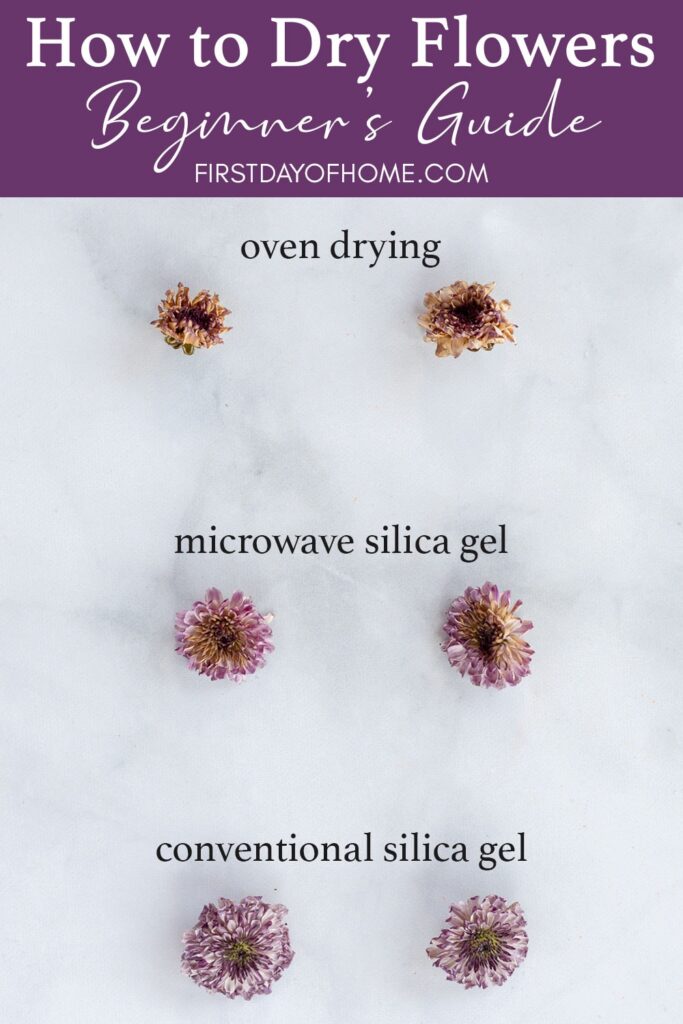
As the seasons change, and summer’s warmth begins to fade, many of us find ourselves with an abundance of fresh flowers. While they bring joy and beauty to our homes, we often struggle with how to preserve them for future enjoyment. One effective way to dry flowers is through a process called desiccation, which can be achieved using various techniques. In this article, we’ll explore the different methods of drying flowers, including traditional methods, modern appliances, and DIY projects.
Understanding Desiccation
Desiccation is the process of removing moisture from flowers, which helps to preserve their structure and color. This is essential for preserving flowers that are prone to wilting or decay. When done correctly, desiccation can make flowers last for months, even years, when stored properly.
The drying process involves three main stages: dehydration, shrinkage, and stabilization. Dehydration occurs when the flower loses its moisture content, causing it to shrink in size. Shrinkage is a natural process that affects all dried flowers, but some methods can help minimize it. Stabilization is the final stage, where the flower’s color and texture are preserved.
Traditional Methods of Drying Flowers
- Air-drying: This traditional method involves simply placing fresh flowers in a warm, dry place, allowing them to air-dry naturally. Air-drying is one of the simplest methods, but it can take several weeks or even months for the flowers to dry completely.
- Pressing: This technique uses a press or weights to flatten the flowers, which helps to speed up the drying process. Pressing is often used for delicate flowers like orchids and violets.
- Sun-drying: Similar to air-drying, this method involves placing flowers in direct sunlight, using a clear plastic bag or paper to trap heat and moisture.
Modern Methods of Drying Flowers
- Desiccant agents: These can be used to dry flowers quickly and efficiently, but may require more expensive equipment.
- Oven drying: Some people use their oven on the lowest temperature setting to dry flowers, although this method requires careful monitoring to avoid over-drying.
- Microwave drying: This technique uses a specialized press or container to dry flowers in the microwave.
When Not to Dry Flowers
Not all flowers can be dried successfully. Those with delicate petals or high water content are particularly prone to damage during the desiccation process. Some examples of flowers that do not lend themselves well to drying include:
- Orchids
- Tulips
- Roses (although some varieties may work better than others)
On the other hand, certain types of flowers are ideal for drying, including:
- Roses
- Ortenisies
- Peonies
- Sunflowers
- Violets
Tips and Tricks for Drying Flowers
- Use fresh flowers: Fresh flowers will dry more evenly and retain their color better than wilted or old blooms.
- Avoid over-drying: Some flowers may become brittle or discolored if dried too long. Monitor the drying process closely to avoid this.
- Keep them clean: Dusting flowers regularly can help prevent mold and mildew from developing during storage.
DIY Press for Drying Flowers
Creating a DIY press is a great way to dry flowers at home without breaking the bank. Here’s a simple recipe:
- Cardboard (thick enough to hold weight)
- Scissors
- Double-sided tape or glue
Cut out square pieces of cardboard, fold them in half, and create a sandwich with the flower(s) between two layers of cardboard. Secure with double-sided tape or glue.
Additional Tips for DIY Pressing
- Use a variety of materials: Experiment with different types of paper, cardboard, and even fabric to find what works best for you.
- Add weight: Use heavy objects like books or rocks to apply pressure and ensure the flowers dry evenly.
- Monitor temperature and humidity: Keep your pressing area in a cool, dry place to prevent mold and mildew from developing.
Alternative Methods of Drying Flowers
If you’re looking for alternatives to traditional drying methods, consider trying:
- Dehydrator drying: These machines use heat to dry flowers quickly and evenly.
- Silica gel drying: Silica gel can be used to absorb moisture from flowers, helping to preserve them.
- Glycerin preservation: Glycerin is a natural preservative that can help maintain the color and texture of dried flowers.
Drying Flowers for Crafts
If you’re looking to dry flowers for crafting projects, consider trying:
- Flower crowns: Dry a variety of flowers to create beautiful, long-lasting flower crowns.
- Wreaths: Use dried flowers to create stunning wreaths that can be used as decorations or gifts.
- Arrangements: Mix and match different dried flowers to create unique arrangements for your home.
Preserving Dried Flowers
Once you’ve dried your flowers, it’s essential to preserve them properly to ensure they last as long as possible. Here are some tips:
- Store in a cool, dry place: Keep your dried flowers away from direct sunlight and moisture.
- Use acid-free tissue paper: This will help prevent damage from acidic materials like glue or other chemicals.
- Vacuum-seal if necessary: If you’re storing large quantities of dried flowers, consider vacuum-sealing them to prevent moisture from accumulating.
Conclusion
Drying flowers is an art that requires patience, care, and attention to detail. By understanding the different methods of desiccation and selecting the right techniques for your specific needs, you can preserve fresh blooms for years to come. Whether using traditional methods or modern appliances, the key to successful flower drying lies in careful planning and execution.
FAQs
- What is the best way to dry flowers?
There is no one-size-fits-all answer, as different techniques work better for various types of flowers. - Can I use a hair dryer to dry flowers?
While it may be tempting, using a hair dryer to dry flowers can lead to uneven drying and damage to the petals. - How long does it take to dry flowers?
The drying time will vary depending on the technique used, but generally ranges from a few days to several weeks or even months. - Can I store dried flowers in a humid environment?
Dried flowers are most susceptible to moisture damage when stored in humid environments. Try to keep them in a cool, dry place instead. - How can I preserve the color of my dried flowers?
To maintain the natural colors of your dried flowers, avoid using heat or chemicals that may cause fading or discoloration. - Can I dry multiple types of flowers together?
It’s generally best to dry each type of flower separately to ensure even drying and prevent cross-contamination. - How can I store my dried flowers to preserve them for long periods?
To ensure your dried flowers last as long as possible, store them in a cool, dry place, away from direct sunlight. You can also consider using preservation techniques like vacuum-sealing or acid-free tissue paper to protect against moisture and damage.
By following these tips and experimenting with different methods, you can create beautiful arrangements of dried flowers that will brighten up any room.


