
Introduction
In the world of fruits, there are some that stand out from the rest due to their unique appearance and nutritional properties. One such fruit is the dragon fruit, also known as pitaya, which has gained popularity in recent years for its delicious taste and numerous health benefits. In this article, we will delve into the world of dragon fruit, exploring its origins, nutritional content, culinary uses, and potential health benefits.
What is Dragon Fruit?
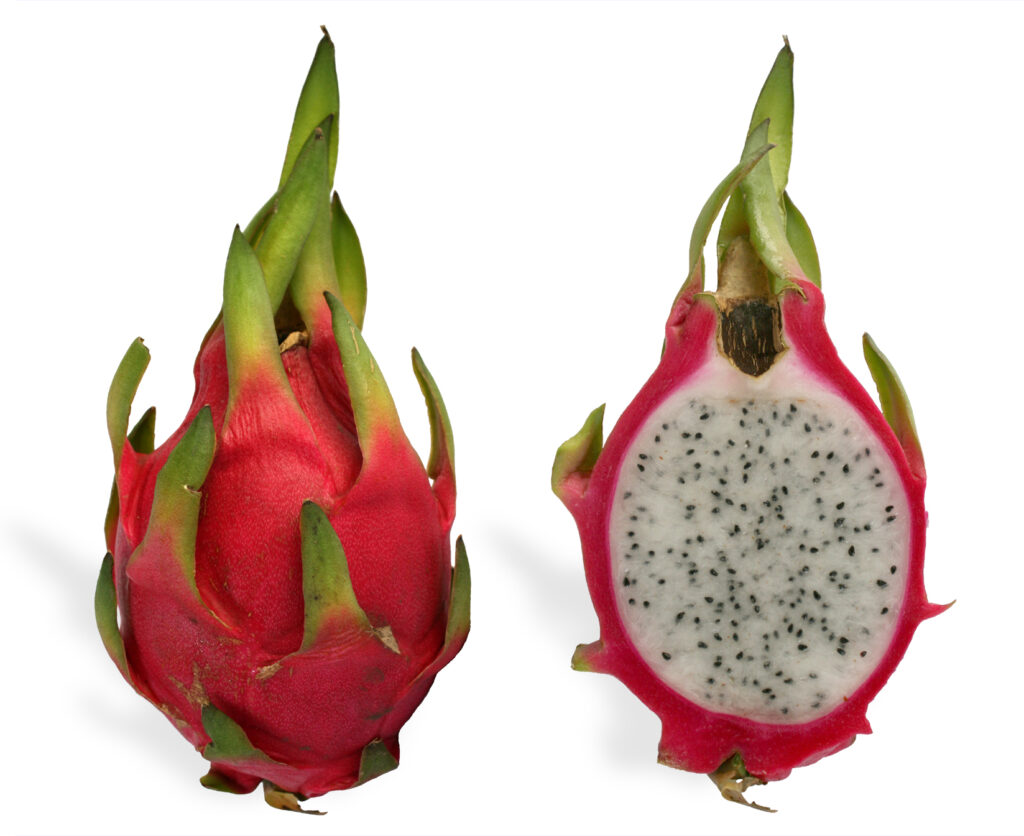
The dragon fruit is a tropical fruit that grows on a plant belonging to the Cactaceae family. It is native to Central and South America and has been cultivated for centuries in these regions. The fruit has a unique appearance, with scales or spines covering its outer skin, giving it a fiery red color.
Nutritional Content
Dragon fruit is rich in nutrients, including:
- Water content: up to 90% of the fruit’s weight
- Fibers: present in significant amounts
- Proteins: contains all essential amino acids
- Carbohydrates: mainly in the form of sugars and starches
The vitamin A and C content in dragon fruit is particularly noteworthy. The fruit also contains flavonoids, which have antioxidant properties.
Types of Dragon Fruit
There are several varieties of dragon fruit, each with its unique characteristics:
- Hylocereus megalanthus: has a yellow skin and white flesh
- Hylocereus costaricensis: has a red skin and red flesh
- Hylocereus undatus: combines a red skin with white flesh
Where to Find Dragon Fruit
Dragon fruit is widely available in many parts of the world, particularly in tropical regions. It can be consumed fresh or used in various culinary applications.
Culinary Uses
- Beverages: The fruit can be blended into smoothies and juices for a refreshing drink.
- Desserts: Dragon fruit makes an excellent topping for ice cream, yogurt, and other desserts due to its sweet flavor and crunchy texture.
- Salads: Its vibrant color adds visual appeal when added to salads, while its subtle taste complements various dressings.
Health Benefits
Research has shown that dragon fruit possesses several health benefits:
- Antioxidant properties: The flavonoids present in the fruit help protect against oxidative stress and inflammation.
- Anti-inflammatory effects: Dragon fruit contains anti-inflammatory compounds that can aid in reducing pain and swelling.
- Supports immune system: Its vitamin A content plays a vital role in maintaining healthy skin, mucous membranes, and eyes.
Tips for Enjoying Dragon Fruit
- Choose fruits with vibrant colors to ensure freshness
- Peel the fruit before consuming, as the outer layer can be too hard to chew
- Combine dragon fruit with other fruits or vegetables for added nutrition
Growing Dragon Fruit at Home
Dragon fruit is relatively easy to grow in warm and humid climates. To cultivate the plant:
- Provide a trellis for support, as it can grow up to 15 feet tall
- Maintain well-draining soil rich in organic matter
- Water regularly during hot summer months
Cultural Significance
Dragon fruit holds cultural significance in many tropical regions, particularly in Southeast Asia and Latin America. In some societies, the fruit is seen as a symbol of fertility and prosperity.
Conclusion
The dragon fruit is an exotic fruit that offers numerous health benefits and culinary uses. Its unique appearance and nutritional properties have made it a popular choice among fruit enthusiasts. By understanding its origins, nutritional content, and potential health benefits, we can better appreciate this incredible fruit and incorporate it into our diets and lifestyles.


