
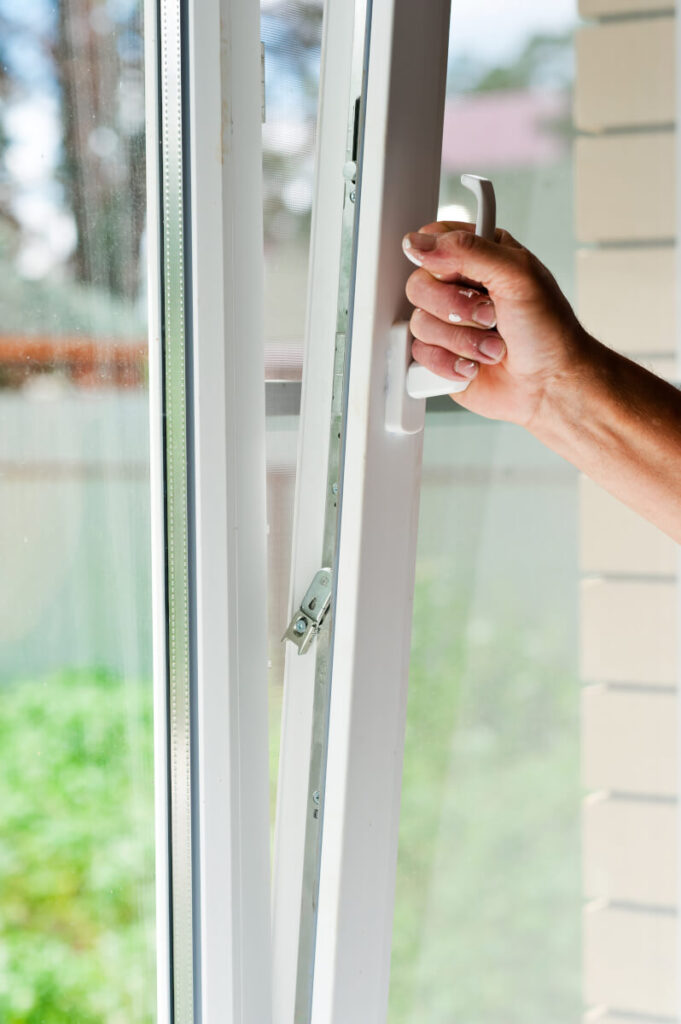
Are your windows a source of heat loss and gain? Do you find yourself wondering how to eliminate the gaps and drafts that come with old or worn-out windows? You’re not alone. In this article, we’ll explore the importance of sealing window gaps, discuss common causes of these issues, and provide practical solutions to help you save energy, reduce noise pollution, and enhance your home’s overall comfort.
Understanding Window Gaps
Window gaps refer to the small openings or spaces that exist between the glass panes and the surrounding frames. These gaps can be caused by a variety of factors, including:
- Worn-out or damaged window frames
- Loose or faulty window sashes
- Insufficient sealing materials or poor installation techniques
- Aging and settlement of the building structure
Why are Window Gaps a Problem?
Window gaps can lead to significant energy losses during both heating and cooling seasons. In winter, cold air seeps into your home, increasing heating costs and reducing comfort levels. Conversely, in summer, warm air enters your home, causing cooling bills to rise and discomfort to increase.
Where are Window Gaps Typically Found?
Window gaps can occur anywhere on the window frame, including:
- Between the glass panes
- At the top or bottom of the window frame
- Along the sides of the window frame
- In areas where the window meets adjacent surfaces, such as walls or doorways
The Science Behind Window Gaps
Window gaps work by creating a pathway for air to enter your home. This can happen through various means, including:
- Convection currents: Warm air rises and cooler air sinks, creating a flow of air that escapes through the gap.
- Infiltration: Outdoor air enters your home through the gap, bringing with it moisture, pollutants, and noise.
DIY Solutions for Sealing Window Gaps
Fortunately, there are several DIY solutions that can help you seal window gaps without breaking the bank. Here are some options to consider:
- Profile Adhesives: These adhesives come in various forms, including neoprene and foam profiles. Apply them directly to the gap, ensuring a secure bond.
- Isolant Batts: Cut and fit these batts into the gap, covering any exposed surfaces.
- Caulk or Silicone Sealant: Use a bead of caulk or silicone sealant to fill gaps at the edges of windows.
Advanced Solutions for Sealing Window Gaps
For more significant gaps or complex issues, consider using advanced sealing solutions:
- Paraspifiers: These specialized sealants are designed specifically for window gaps. They come in various materials and sizes.
- Gasket Materials: Install new gaskets or replace existing ones to ensure a snug fit.
Types of Window Gaps
There are several types of window gaps, including:
- Primary gap: The main gap between the glass panes.
- Secondary gap: The smaller gap at the edges of the window frame.
- Third-order gap: The smallest gap, often found in areas where the window meets adjacent surfaces.
Sealing Window Gaps: A Step-by-Step Guide
To seal a window gap effectively, follow these steps:
- Identify the source of the gap: Determine whether it’s caused by worn-out or damaged frames, loose sashes, or poor installation techniques.
- Clean the area: Ensure the surface is free from debris and dust before applying sealing materials.
- Measure carefully: Take precise measurements of the gap to order the correct size and type of sealant or gasket material.
- Apply the sealant: Follow the manufacturer’s instructions for application, ensuring a secure bond.
- Inspect and test: Verify that the seal is effective by conducting a candle flame test.
Additional Tips for Sealing Window Gaps
When tackling window gap issues, keep the following tips in mind:
- Use the right materials: Choose materials compatible with your windows’ materials and climate.
- Consider professional help: If gaps persist despite DIY efforts, consider hiring a professional to assess and address any underlying issues.
- Regular maintenance: Schedule regular inspections to maintain your sealants and ensure they remain effective.
Common FAQs
Here are some frequently asked questions related to window gaps:
Q: What is the best way to identify window gaps?
A: Use a candle flame test to detect air movement around windows. If the flame flickers, there’s likely an air leak.
Q: Can I seal my windows myself?
A: Yes, but be aware that some gaps may require professional assistance or specialized materials.
Q: How do I choose the right sealing material for my window gap?
A: Consider factors like climate, window type, and material compatibility when selecting a sealing solution.
Q: Are paraspifiers suitable for all types of windows?
A: No, they’re best suited for standard single-pane windows. Consult professionals for custom solutions or unique window types.
Q: Can I use caulk or silicone sealant on my windows?
A: Yes, but ensure the surface is clean and dry before application.
Benefits of Sealing Window Gaps
Sealing window gaps can have numerous benefits, including:
- Reduced energy bills
- Improved comfort levels
- Enhanced home value
- Noise reduction
- Moisture protection
Conclusion
Sealing window gaps is an essential step in maintaining your home’s energy efficiency, comfort, and overall performance. By understanding the causes of these issues, choosing the right materials, and following practical solutions, you can enjoy a more comfortable, cost-effective, and environmentally friendly living space.
Further Resources
For additional information on sealing window gaps, consider consulting the following resources:
- National Fenestration Rating Council (NFRC)
- Building Performance Institute (BPI)
- U.S. Department of Energy
- Local building codes and regulations


