
Introduction
Have you ever wondered about the origins of the lucky bamboo plant? Despite its popularity, few people know that this seemingly magical plant is actually a type of Dracaena sanderiana. In this article, we’ll delve into the world of the lucky bamboo, exploring its history, care requirements, and potential health issues.
African Origins
The lucky bamboo’s scientific name, Dracaena sanderiana, reveals its African roots. Native to Cameroon, this plant has become a symbol of good fortune, thanks in part to its unique appearance and adaptability. Today, you can find lucky bamboo plants in various sizes and shapes, ranging from 15 centimeters to over a meter tall.
A Brief History of Lucky Bamboo
The use of lucky bamboo dates back thousands of years to ancient China. In Chinese culture, the plant was believed to bring good luck, prosperity, and longevity. The bamboo’s unique shape and growth habit made it an ideal symbol for Feng Shui, a traditional Chinese philosophy that seeks to balance and harmonize the energies in a given space.
Physical Characteristics
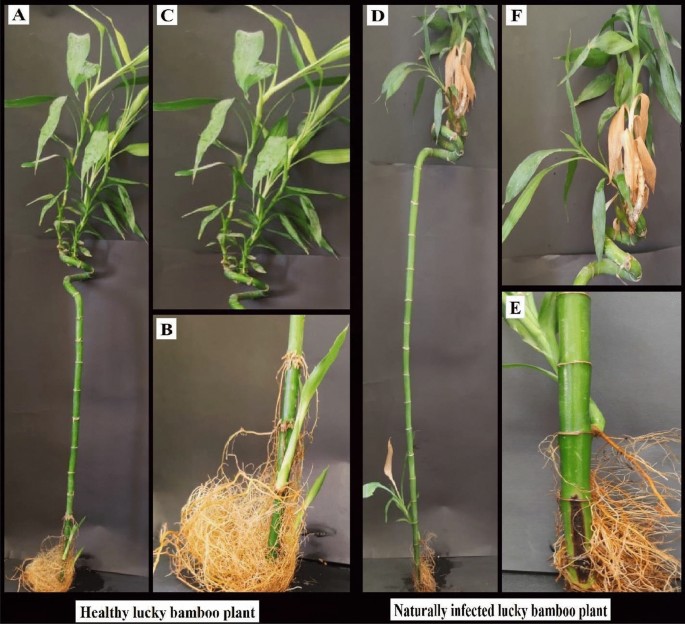
Lucky bamboo plants boast striking green leaves with a glossy finish and lance-shaped tips. They often grow in spirals, adding to their natural charm. To maintain this appearance, it’s essential to regularly rotate the plant’s horizontal stems.
- Height: Lucky bamboo can grow up to 1 meter tall, but smaller varieties are more commonly kept as houseplants.
- Leaf Shape: The leaves of lucky bamboo plants are lance-shaped and have a pointed tip. They are typically green in color with a glossy finish.
- Growth Habit: Lucky bamboo plants often grow in spirals, adding to their natural charm.
Common Health Issues
While the lucky bamboo is considered an easy-to-care-for plant, it can still fall victim to pests like spider mites and mealybugs. These tiny insects cause yellow or brown spots on leaves, which may eventually drop off. To prevent infestations, gently wash the plant with soap and water.
- Spider Mites: Spider mites are small, eight-legged arachnids that feed on the sap of plants. They can cause yellow or brown spots on leaves.
- Mealybugs: Mealybugs are small, white insects that secrete a sticky substance called honeydew. This can attract ants and promote fungal growth.
Environmental Factors
Dracaena sanderiana is sensitive to extreme temperatures and humidity levels. Avoid placing it near drafts, radiators, or air conditioning vents. Also, be cautious of direct sunlight, as this can cause leaf burn.
- Temperature: Lucky bamboo prefers temperatures between 18°C and 25°C (64°F and 77°F). Avoid sudden changes in temperature.
- Humidity: Lucky bamboo thrives in humid environments with a relative humidity of 40-60%. Avoid placing it near heating or cooling vents.
- Lighting: Lucky bamboo prefers bright, indirect light. Direct sunlight can cause leaf scorch.
Watering and Humidity
When growing lucky bamboo in water, make sure the roots are submerged but not overwatered. Use a container with a wide mouth to prevent waterlogged soil when cultivating it on land.
- Watering: Water your lucky bamboo plant thoroughly, allowing the top inch of soil to dry out between waterings.
- Humidity: Lucky bamboo thrives in humid environments with a relative humidity of 40-60%. Avoid placing it near heating or cooling vents.
Temperature Range
Optimal temperatures for lucky bamboo range from 18°C to 25°C (64°F to 77°F). While there’s some flexibility, temperatures below 10°C (50°F) can be detrimental. Avoid sudden changes in temperature and air circulation.
Lighting
Lucky bamboo prefers bright, indirect light. Direct sunlight can cause leaf scorch, so it’s best to place the plant near a north-facing window or use grow lights.
- North-Facing Windows: Lucky bamboo plants thrive in bright, indirect light from north-facing windows.
- Grow Lights: If you don’t have a north-facing window, consider using grow lights to provide your lucky bamboo with the necessary light.
Soil and Fertilization
When cultivating lucky bamboo on land, choose a well-draining potting mix and avoid overfertilizing. Water thoroughly but infrequently to maintain humidity around the roots.
- Potting Mix: Use a well-draining potting mix specifically designed for indoor plants.
- Fertilization: Fertilize your lucky bamboo plant sparingly, as it can be sensitive to excessive nutrients.
Propagation and Pruning
Lucky bamboo can be propagated by cutting stems and rooting them in water or soil. When doing so, use sterile pruning tools to prevent infection.
- Stem Cuttings: Cut the stem of your lucky bamboo plant about 2-3 inches from the base.
- Rooting: Place the cut end of the stem in water or soil, making sure the node is submerged. Roots should develop within a few weeks.
- Pruning: Prune your lucky bamboo plant regularly to maintain its shape and promote new growth.
Conclusion
The lucky bamboo is a unique and fascinating plant that requires attention to detail but rewards its caretakers with good fortune. By understanding its needs and potential health issues, you’ll be well on your way to becoming a successful lucky bamboo parent.
Frequently Asked Questions (FAQs)
Q: Can I propagate lucky bamboo?
A: Yes, you can propagate lucky bamboo by cutting stems and rooting them in water or soil. Use sterile pruning tools to prevent infection.
Q: What temperature range is suitable for lucky bamboo?
A: Optimal temperatures for lucky bamboo range from 18°C to 25°C (64°F to 77°F).
Q: Can I grow lucky bamboo indoors?
A: Yes, but ensure it receives bright, indirect light and maintain optimal humidity levels.
Q: How often should I water my lucky bamboo plant?
A: Water your lucky bamboo when the soil feels dry to the touch. Avoid overwatering, which can lead to root rot.
Q: Can I propagate lucky bamboo by air layering?
A: No, lucky bamboo cannot be propagated through air layering. Instead, use stem cuttings or division.
Q: How long does it take for lucky bamboo to grow?
A: Lucky bamboo can take several months to a year or more to reach its full height and develop new growth.
Q: Is lucky bamboo toxic to pets?
A: While lucky bamboo is non-toxic, its leaves may cause gastrointestinal upset in some animals. Keep an eye on your pets around the plant.


