
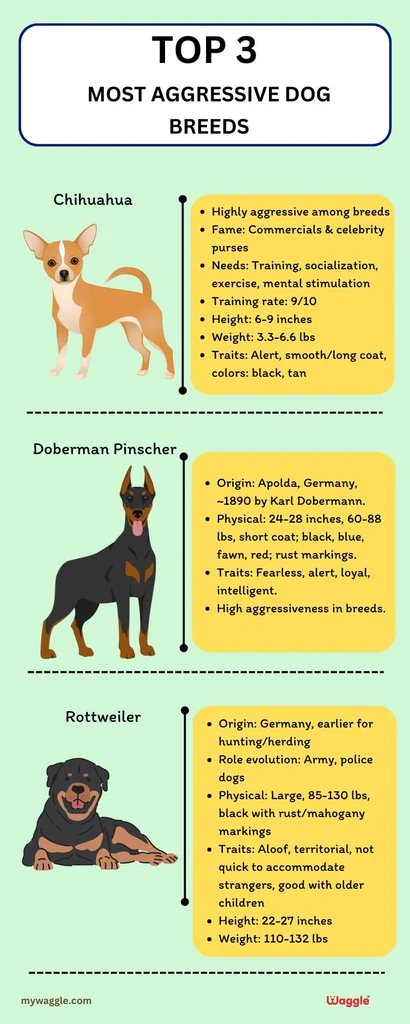
As a responsible dog owner, it’s natural to wonder if your furry friend has what it takes to be a true leader. The concept of a “dominant dog” can be easily misconstrued as an aggressive animal, but this isn’t always the case. In fact, a dominant dog can exhibit both assertive and submissive behaviors, making it essential to understand the differences between these two traits.
Defining a Dominant Dog
A dominant dog is not necessarily aggressive, nor does it imply that the dog is inherently “bad.” This term refers to an animal’s natural tendency to assert its dominance within a pack or household. This behavior can manifest in various ways, including body language, vocalizations, and even physical actions.
Recognizing the Signs of a Dominant Dog
Identifying the signs of a dominant dog requires observation and patience. Some common indicators include:
- Prevarication: The dog may insist on passing before you, eating before you, or claiming dominance over other animals in the household.
- Stubbornness: A dominant dog might resist training or refuse to obey commands, especially if it feels the owner is not providing adequate guidance or consequences for misbehavior.
- Resource guarding: The dog may become possessive of food, toys, or other valuable resources and defend them against others.
The Importance of Separating Attitude from Aggression
It’s crucial to distinguish between a dominant attitude and aggression. A dog with a strong dominant streak might display assertive behaviors like growling, snapping, or even biting, but this doesn’t necessarily mean it’s aggressive.
Aggression is typically defined as behavior that’s intentionally meant to harm or intimidate others. In contrast, a dominant dog may be driven by a desire to establish hierarchy and claim its place within the pack or household.
Correcting Dominant Behavior
Correcting a dominant dog requires patience, consistency, and positive reinforcement training. Some effective strategies include:
- Establishing clear boundaries: Clearly communicate your expectations and ensure everyone in the household is on the same page.
- Providing adequate exercise and mental stimulation: Engage your dog in physical and mental activities that challenge its natural instincts and satisfy its needs.
- Rewarding good behavior: Positively reinforce desirable behaviors, such as sitting calmly or waiting patiently for food.
Understanding Dominant Breeds
While any breed can exhibit dominant traits, some are more prone to it due to their genetic makeup and historical roles. For example:
- Herding breeds, like Border Collies and Australian Shepherds, were bred to assert dominance over livestock.
- Guard breeds, such as German Shepherds and Rottweilers, were developed to protect families and territories.
Managing Dominant Behavior in Multipet Households
If you have multiple dogs, managing dominant behavior can be challenging. Here are some tips:
- Introduce new dogs slowly: Allow them to get accustomed to each other’s presence and establish a hierarchy.
- Supervise interactions: Watch for signs of dominance or aggression and intervene promptly if necessary.
- Provide separate spaces: Offer each dog its own territory where it can retreat when feeling overwhelmed.
Recognizing Signs of Dominance in Puppies
Puppies may display dominant behaviors as they establish their place within the pack. Recognize these signs early on:
- Resource guarding: Puppies may become possessive of food or toys.
- Prevarication: They might insist on passing before you or eating before you.
Conclusion
Understanding the concept of a dominant dog can help you better navigate the complex world of canine behavior. By recognizing the signs of dominance and separating it from aggression, you can develop effective strategies to correct your dog’s attitude and foster a stronger, more harmonious relationship.
Frequently Asked Questions (FAQs)
- What is the difference between a dominant dog and an aggressive dog?
A dominant dog exhibits assertive behaviors like prevarication, stubbornness, and resource guarding, while an aggressive dog intentionally means to harm or intimidate others. - How can I correct my dog’s dominant behavior?
Establish clear boundaries, provide adequate exercise and mental stimulation, and reward good behavior with positive reinforcement training. - Is it possible for a dominant dog to become aggressive?
While the two traits are distinct, a dominant dog that’s not properly corrected or socialized can develop aggression as a coping mechanism or due to frustration. - Can any breed be considered dominant?
Yes, even small breeds like Poodles or Chihuahuas can exhibit dominant behaviors. However, individual personalities and temperaments play a significant role in shaping a dog’s behavior. - How do I know if my dog is exhibiting dominant behavior?
Pay attention to body language, vocalizations, and behavioral cues, such as prevarication, stubbornness, or resource guarding.
Additional Resources
For further information on understanding and managing dominant behavior, consider the following resources:
- The Dog Whisperer: A comprehensive guide to canine behavior and communication.
- Positive Reinforcement Training: A training method that focuses on rewarding desired behaviors rather than punishing undesired ones.
- Canine Behavior Consulting: A professional service that provides expert advice on understanding and addressing behavioral issues in dogs.
By embracing a deeper understanding of canine behavior and taking proactive steps to address dominant traits, you can foster a stronger, more harmonious relationship with your furry friend.



