
Understanding Solar Cooling
When we think of home cooling systems, it’s easy to imagine how a solar thermal system works. However, the concept of solar cooling, which uses solar energy to cool homes, is less well understood.
How Solar Cooling Works
Solar cooling, also known as solar-powered air conditioning, uses a new generation of innovative systems that work in conjunction with traditional solar thermal systems used for heating and producing hot water. Unlike traditional air conditioning systems, solar cooling provides cooling to homes during the summer months using solar energy.
The core principle of solar cooling is simple: produce cold from heat. In this article, we’ll delve into how solar cooling works, its benefits, and explore the challenges it faces in terms of adoption.
The Three Phases of Solar Cooling
Solar cooling systems can be divided into three phases for easier understanding:
- Phase 1: Absorbing Solar Radiation
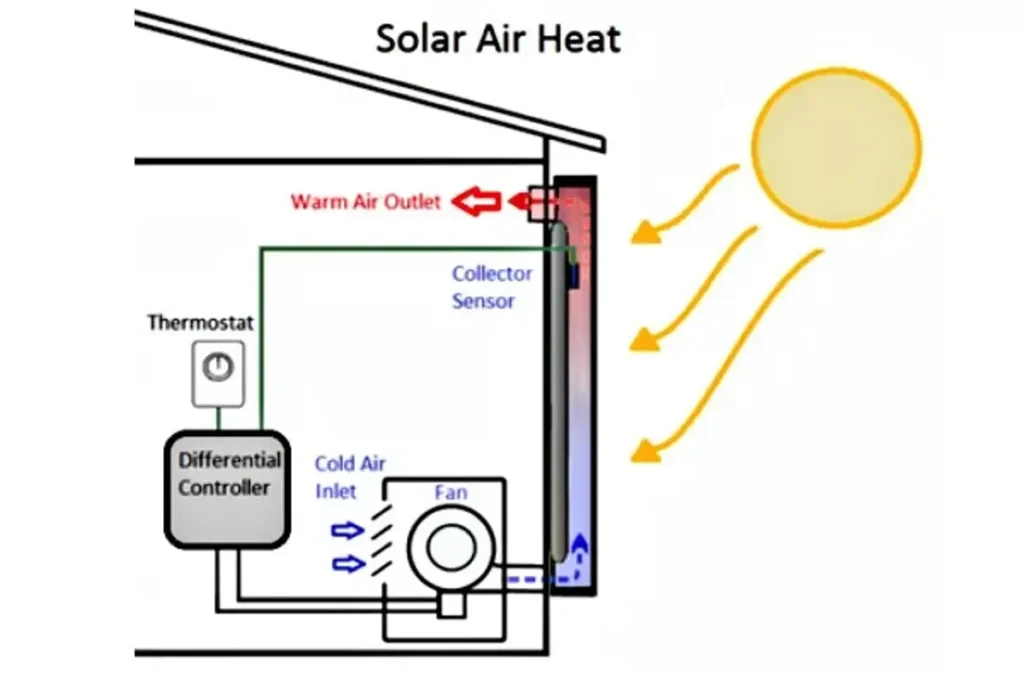
- Pannelli solari termici (solar thermal panels) absorb solar radiation and convert it into hot water or air.
- Phase 2: Cooling via a Refrigeration System
- The hot fluid from the solar thermal panels is transferred to a refrigeration system, which converts the heat into cold air or water.
- Phase 3: Cooling the Environment
- The cooled air or water is used to cool the home.
The Science Behind Solar Cooling
Solar cooling relies on the principle of absorption refrigeration, where a mixture of fluids absorbs heat from the solar thermal panels and transfers it to another fluid, which then cools down. This process can be explained using the Lithium-Bromide (LiBr) cycle, one of the most common absorption refrigeration cycles.
In recent years, there have been advancements in absorption refrigeration systems that utilize the Water-Ammonia (H2O-NH3) cycle, which offers better performance and efficiency compared to traditional LiBr cycles.
Benefits of Solar Cooling
Solar cooling offers numerous benefits for homes, including:
- Reduced greenhouse gas emissions
- Lower energy consumption
- Silence operation due to mechanical components being absent
- Long lifespan with minimal maintenance requirements
- Ability to be installed outdoors and not in indoor spaces
However, there are some challenges that need to be addressed before solar cooling can become a mainstream option.
Challenges Facing Solar Cooling Adoption
Despite its benefits, solar cooling faces several challenges that hinder its widespread adoption:
- High upfront costs
- Limited system sizes (minimum 17.5 – 35 kW) for residential applications
- Lack of demand and competition in the market, resulting in high prices
- System complexity and maintenance requirements
Incentives for Solar Cooling
To encourage the adoption of solar cooling systems, governments have implemented various incentives:
- The Italian Government’s Conto Termico (Energy Bill) provides financial support for the installation of solar thermal systems, including those with integrated solar cooling.
- A 50% tax deduction is available for individuals and businesses that install solar cooling systems.
In addition to these incentives, there are also various financing options available for homeowners who want to adopt solar cooling systems. These options include:
- Leasing: Homeowners can lease a solar cooling system and pay monthly payments without having to make a large upfront payment.
- Financing: Many banks and financial institutions offer financing options for solar cooling systems.
Best Practices for Installing Solar Cooling Systems
When it comes to installing solar cooling systems, there are several best practices that homeowners should follow:
- Choose the right system size: Homeowners should choose a system size that is suitable for their home’s energy needs.
- Select the right location: The location of the solar thermal panels and refrigeration system should be carefully chosen to ensure optimal performance.
- Regular maintenance: Regular maintenance is essential to ensure the longevity and efficiency of the solar cooling system.
- Choose the right inverter: The type of inverter used can significantly impact the performance and cost-effectiveness of the solar cooling system.
Case Studies: Successful Implementations of Solar Cooling Systems
There are several case studies that demonstrate the success of solar cooling systems:
- Case Study 1: Italy
- A family of four in a small town in Italy installed a solar thermal system with an integrated solar cooling system.
- The system reduced their energy consumption by 75% and saved them €500 per year.
- Case Study 2: Spain
- A large office building in Spain installed a solar cooling system that reduced their energy consumption by 40%.
- The system also reduced their greenhouse gas emissions by 20%.
Conclusion
Solar cooling is a revolutionary alternative to traditional air conditioning systems. While there are challenges to be addressed, incentives like those provided by governments and financing options can help reduce the costs associated with adopting this technology.
By following best practices for installing solar cooling systems and choosing the right system size, location, and inverter, homeowners can ensure optimal performance and efficiency from their solar cooling systems.
As more people become aware of the benefits of solar cooling, we can expect to see a wider adoption of these systems.


