
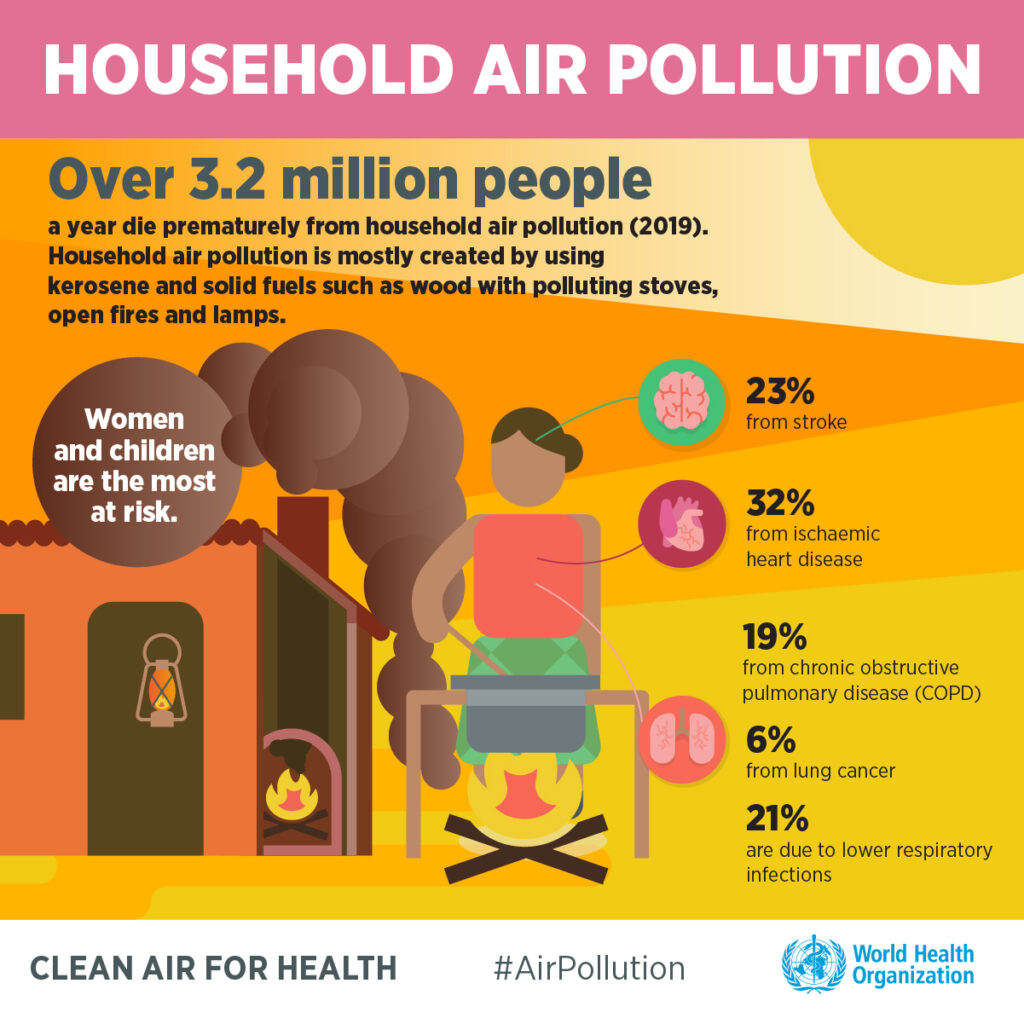
As we spend most of our time indoors, it’s easy to forget that our homes can be a source of pollution. In fact, the air inside our homes is often more polluted than the air outside. But what exactly is domestic pollution, and how can we reduce its impact on our health?
What is Domestic Pollution?
Domestic pollution refers to the contamination of indoor environments caused by various sources, including organic and inorganic substances, bacteria, mold, dust, and volatile organic compounds (VOCs). These pollutants can come from a variety of sources, such as furniture, cleaning products, cooking fumes, and even our own bodies.
The Risks of Domestic Pollution
Prolonged exposure to domestic pollution can lead to serious health issues, including eye, nose, throat, and head irritations, headaches, asthma, and even cancer. The good news is that by taking simple steps to reduce domestic pollution, we can significantly minimize these risks.
Causes of Domestic Pollution
There are several common causes of domestic pollution, including:
- Furniture and Decor: Many household items, such as furniture, carpets, and upholstery, contain chemicals like formaldehyde, benzene, and VOCs.
- Cleaning Products: Household cleaning products can release toxic fumes into the air, contributing to indoor pollution.
- Cooking Fumes: Cooking with gas or oil can release pollutants into the air.
- Personal Care Products: Some personal care products, such as deodorants and hairsprays, contain VOCs.
Reducing Domestic Pollution: Tips and Strategies
Fortunately, there are many simple steps we can take to reduce domestic pollution:
- Choose Low-VOC Products: Look for products labeled as “low-VOC” or “eco-friendly.”
- Use Natural Cleaning Methods: Instead of using chemical-based cleaning products, try using natural methods like baking soda and vinegar.
- Air Out Your Home: Regularly open windows and use fans to circulate air and reduce VOCs.
- Improve Ventilation: Install a ventilation system or use a dehumidifier to remove excess moisture from the air.
- Use Plants: Some plants, like peace lilies and spider plants, are known to purify the air by removing VOCs.
Health Effects of Domestic Pollution
Domestic pollution can have serious health effects, including:
- Respiratory Issues: Exposure to domestic pollution can exacerbate respiratory issues, such as asthma and chronic obstructive pulmonary disease (COPD).
- Neurological Damage: Long-term exposure to VOCs can cause neurological damage, including headaches, dizziness, and memory problems.
- Cancer Risk: Some domestic pollutants, such as formaldehyde and benzene, have been linked to an increased risk of cancer.
Solutions for Reducing Domestic Pollution
There are many solutions available to reduce domestic pollution:
- HEPA Filters: HEPA (High Efficiency Particulate Air) filters can remove up to 99.97% of particles as small as 0.3 microns, including dust, pollen, and pet dander.
- Activated Carbon Filters: Activated carbon filters can absorb VOCs and other gases, improving indoor air quality.
- Whole-House Ventilation Systems: Whole-house ventilation systems can remove excess moisture from the air, reducing humidity and promoting healthy indoor air circulation.
By understanding the causes of domestic pollution and taking steps to reduce it, we can create a healthier indoor environment for ourselves and our families.


