
As the world shifts towards more sustainable energy sources, pellet stoves have become increasingly popular for their efficiency and environmental benefits. In this article, we’ll delve into the world of pellet production, exploring everything you need to know about producing pellets at home.
What is a Pellet?
A pellet represents a biocombustible and efficient fuel source. Its compact size makes it easy to store even in domestic environments. Unlike traditional wood fuels, pellets offer a clean, uniform combustion process and ease of use.
Pellets are produced through a process that involves compressing biomass into small, dense blocks. These blocks can be made from various types of biomass, including agricultural waste, forestry residues, and municipal solid waste. The resulting pellet is then dried and packaged for distribution and consumption.
Characteristics of a Typical Pellet
Pellets have fixed dimensions, typically ranging from 6 to 8 mm in diameter and between 10 to 30 mm in length. These precise measurements make them easy to handle, transport, and store. Additionally, pellets are designed to burn efficiently and produce minimal emissions when used in a stove or boiler.
Why is Italy Leading the Way in Pellet Sales?
Italy has witnessed an annual surge in pellet sales, with the country becoming the top European consumer of pellets for domestic use. The estimated annual consumption stands at approximately 2.5 million tons, largely attributed to the widespread adoption of pellet-fueled stoves and boilers.
Several factors contribute to Italy’s leading position in pellet sales, including:
- Strong regulations promoting renewable energy sources
- Availability of high-quality biomass feedstocks
- Well-established distribution networks
- Innovative technologies for efficient pellet production
How is Pellet Production Done?
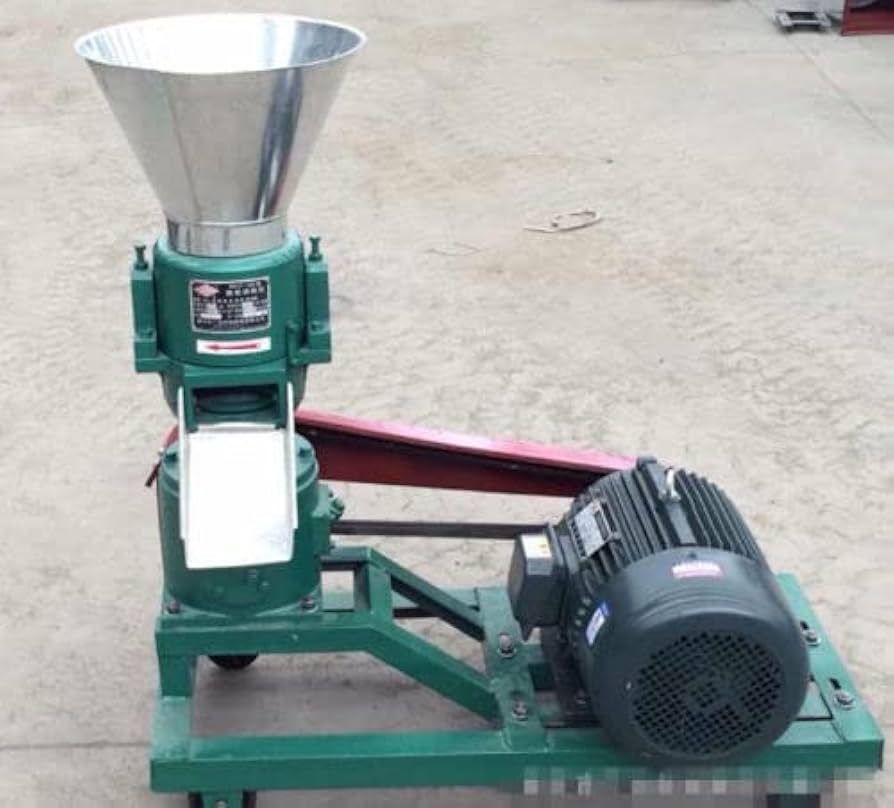
Pellet production generally occurs industrially, utilizing residues from unprocessed wood. However, with the growing demand for home pellet production, various domestic pellet-making machines have been introduced.
These machines are designed to be compact and energy-efficient, allowing individuals to produce pellets in their own homes or backyards. While industrial-scale pellet production dominates the market, home pellet makers offer a more affordable and accessible alternative for those looking to reduce their carbon footprint.
What Can You Produce with a Home Pellet Maker?
Domestic pellet makers of smaller sizes are designed for personal use and can produce up to 80 kg of pellets per hour. The actual output is influenced by factors such as motor power, raw material quality, and operating temperatures.
Some benefits of using a home pellet maker include:
- Reduced reliance on external energy sources
- Lower fuel costs
- Increased control over the production process
- A more sustainable alternative to traditional heating methods
Importance of Operating Temperature in Pellet Production
To produce high-quality pellets, a domestic pellet maker should reach an optimal temperature of around 100°C. This ensures compact, uniform pellets with a glossy finish. A well-operated machine will yield pellets that are free from defects and exhibit consistent size and appearance.
Operating temperatures above 110°C can result in the formation of combustion byproducts, such as polycyclic aromatic hydrocarbons (PAHs) and volatile organic compounds (VOCs). These substances can contribute to air pollution and have negative impacts on human health.
What to Put into Your Home Pellet Maker?
The materials used in the pellet maker can significantly impact the quality of the final product. Only ligno-cellulosic materials should be fed into the machine, with no inclusion of animal fats, motor oils, or treated furniture wood. This is crucial for maintaining the pellet maker’s performance and longevity.
Some recommended feedstocks for home pellet makers include:
- Dried agricultural waste
- Forestry residues
- Municipal solid waste
Pellet Maker Prices and Models
Home pellet makers range in price from €3,000 to €6,000, with some models available for under €2,500. These machines are powered by 3-4 kW electric motors, are lightweight (weighing between 110 and 150 kg), and have compact dimensions (the largest models reaching approximately 135 cm).
When choosing a home pellet maker, consider factors such as:
- Production capacity
- Energy efficiency
- Maintenance requirements
- Noise levels
Top Domestic Pellet Makers
For detailed information on various pellet makers, visit our Amazon page: Pellettatrici domestiche, prezzi su Amazon. Below are a few examples of popular brands:
- Smartech Pellettatrice Domestica PLT – 100: Offers an excellent balance between quality and price. At under €3,000, it can produce 70-80 kg of pellets per hour.
- Green-Produzione – PTE-50: Produces a consistent output of 40-60 kg of pellets per hour based on the type of raw material used.
- Peruzzo Minipel E80: Has a production rate of 35-75 kg of pellets per hour, depending on the feedstock used.
Pellet stoves offer a sustainable alternative to traditional heating methods. With this knowledge, you can make an informed decision about producing your own pellets at home and enjoy the numerous benefits they have to offer.
Before starting your pellet-making journey, consider the following tips:
- Research local regulations regarding biomass production and consumption
- Choose high-quality feedstocks for optimal pellet performance
- Regularly maintain your pellet maker to ensure efficient operation
- Consider consulting with a professional for guidance on pellet production and stove installation
By embracing sustainable energy sources like pellets, you can contribute to reducing greenhouse gas emissions and promoting a cleaner environment.


