
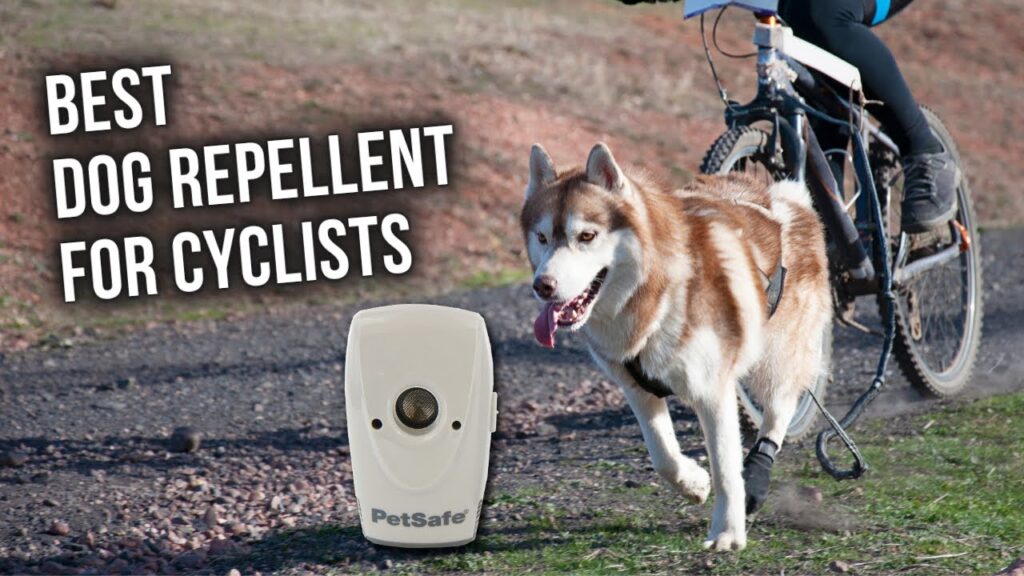
The Dog Whistle: A Cycling Safety Tool You May Not Know Exists
As a cyclist, you’re likely no stranger to the dangers of the road. From speeding cars to poorly lit intersections, there are plenty of hazards that can put your safety at risk. But one common threat that many cyclists face is encountering dogs on the road or trail. While some dogs may be friendly and harmless, others can be aggressive and even deadly.
That’s where the dog whistle comes in – a simple yet effective tool that can help deter dogs from approaching you on the bike path. In this article, we’ll explore what a dog whistle is, how it works, and why it’s an essential safety device for cyclists.
What is a Dog Whistle?
A dog whistle is a small device that emits a high-pitched sound that’s undetectable to humans but unpleasant for dogs. The sound is typically in the range of 10-50 kHz, which is beyond the hearing range of most canines. This makes it an ideal tool for trainers and breeders looking to scare away unwanted animals without causing harm.
Why Do Dogs Chase Bikes?
So, why do dogs chase cyclists in the first place? There are several reasons, including:
- Territorial protection: Some dogs may view cyclists as intruders on their territory and see them as a threat.
- Play aggression: Dogs may chase cyclists simply because they’re excited or playful.
- Lack of training: Untrained dogs may not know how to behave around bicycles.
Scaring Off Dogs without Getting into a Fight
While the dog whistle is an effective deterrent, it’s essential to use it responsibly and safely. Here are some tips for using a dog whistle effectively:
- Use it at a safe distance: Keep the dog whistle at least 10 feet away from the dog to avoid startling or frightening them.
- Aim for the dog’s ears: The sound emitted by the dog whistle is most effective when aimed directly at the dog’s ears.
- Be consistent: Use the dog whistle consistently whenever you encounter a dog on the bike path.
Dog Whistle and Other Products for Domestic Animals
While the dog whistle is primarily designed for cyclists, it can also be used in other situations where dogs are present. Here are some examples:
- Trainers and breeders: Dog whistles can be an effective tool for trainers and breeders looking to scare away unwanted animals.
- Homeowners: Dog whistles can help deter stray dogs from entering your property or approaching you in the yard.
Traditional vs. Ultrasonic Dog Whistles
There are two main types of dog whistles available: traditional and ultrasonic. Here’s how they differ:
- Ultrasonic dog whistles: These devices emit high-frequency sounds that are undetectable to humans but unpleasant for dogs.
- Traditional dog whistles: These devices produce a high-pitched sound that’s audible to both humans and dogs.
The Science Behind the Dog Whistle
So, how does the dog whistle work its magic? The answer lies in the way our brains process sound. Here’s what happens when we hear a high-pitched sound:
- Stress response: Our brain responds to high-pitched sounds with stress and anxiety.
- Fear response: Dogs, in particular, are highly attuned to high-pitched sounds, which can trigger a fear response.
Conclusion
The dog whistle is a simple yet effective safety tool for cyclists. By understanding how it works and using it responsibly, you can reduce your risk of encountering aggressive dogs on the bike path. Whether you’re commuting to work or riding on trails, a dog whistle can be an essential addition to your cycling gear.
Frequently Asked Questions
Q: How far away should I hold the dog whistle when using it?
A: Hold the dog whistle at least 10 feet away from the dog to avoid startling or frightening them.
Q: Can I use the dog whistle on my cat?
A: No, cats are highly sensitive to high-pitched sounds and may be startled or frightened by the dog whistle.
Q: How often should I clean my dog whistle?
A: Clean your dog whistle regularly to ensure it remains effective.
Q: Can I use the dog whistle in emergency situations?
A: Yes, the dog whistle can be an essential tool in emergency situations where you need to scare away aggressive animals.
Dog Whistle Maintenance
To get the most out of your dog whistle, regular maintenance is crucial. Here are some tips:
- Clean the device: Regularly clean the dog whistle with soap and water to remove dirt and debris.
- Dry the device: After cleaning, dry the device thoroughly to prevent rust or corrosion.
- Check for damage: Regularly check the dog whistle for any signs of damage, such as cracks or dents.
Common Misconceptions about Dog Whistles
While dog whistles are widely used, there are some common misconceptions about their effectiveness and safety. Here are a few:
- Dog whistles won’t scare away dogs: This is a common misconception – the dog whistle can be an effective deterrent for aggressive dogs.
- Dog whistles will damage my hearing: Dog whistles emit high-pitched sounds that are within human hearing range, so there’s no risk of damaging your hearing.
Alternatives to Dog Whistles
If you’re looking for alternative methods to scare away dogs, consider these options:
- Ultrasonic repellent devices: These devices emit high-frequency sounds that can be unpleasant for dogs.
- Motion-activated sprinklers: These devices use water to deter dogs and other animals.
Cycling with Dogs
While dog whistles are primarily designed for cyclists, some cyclists choose to ride with their dogs. Here are some tips:
- Train your dog: Train your dog to walk beside you on the bike path.
- Use a dog harness: Use a dog harness to keep your dog safe while riding.
- Choose quiet routes: Choose quiet routes that minimize the risk of encountering aggressive dogs.
Conclusion
The dog whistle is a simple yet effective safety tool for cyclists. By understanding how it works and using it responsibly, you can reduce your risk of encountering aggressive dogs on the bike path. Whether you’re commuting to work or riding on trails, a dog whistle can be an essential addition to your cycling gear.
Stay Safe on the Road
By taking these precautions, you can enjoy a safe and enjoyable ride:
- Always use caution when approaching dogs.
- Use the dog whistle responsibly and safely.
- Stay alert and aware of your surroundings.


