
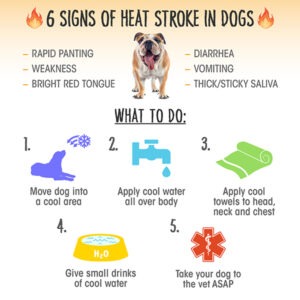
Understanding Heat Stress in Dogs
As the temperature rises, dogs can suffer from heat stress, also known as heatstroke. Just like humans, dogs can experience discomfort and even life-threatening conditions when exposed to high temperatures and humidity. It’s essential to recognize the signs of heat stress in dogs and take prompt action to prevent it.
Why Do Some Breeds Suffer More from Heat?
Certain breeds are more prone to heat stress due to their physical characteristics. Brachycephalic breeds, such as boxers, bulldogs, and pugs, have a shorter muzzle and wider forehead, which can make breathing more difficult in hot weather. Additionally, older dogs or those with pre-existing health conditions may be more susceptible to heat stress.
Recognizing the Signs of Heat Stress
If your dog is experiencing heat stress, it’s crucial to recognize the signs quickly. Some common symptoms include:
- Excessive panting
- Rapid heartbeat
- Lethargy or depression
- Vomiting
- Diarrhea
- Loss of appetite
Treating Heat Stress
If you suspect your dog is experiencing heat stress, act quickly:
- Provide plenty of fresh water: Encourage your dog to drink water by placing it in a shallow dish or using an interactive water fountain.
- Create shade and ventilation: Move your dog to a cooler location, such as a shaded area or an air-conditioned room, and ensure good airflow to prevent the buildup of heat.
- Use cooling measures: You can use cooling towels, cold compresses, or even a fan to help lower your dog’s body temperature.
- Monitor vital signs: Keep a close eye on your dog’s temperature, pulse, and breathing rate, and seek veterinary attention if they worsen.
Preventing Heat Stress
While it’s impossible to completely eliminate the risk of heat stress, you can take steps to minimize it:
- Avoid exercising your dog during peak heat hours (usually between 11am and 3pm)
- Provide regular breaks in shaded or air-conditioned areas
- Use cooling products, such as cooling mats or vests, to help regulate your dog’s body temperature
- Keep your dog hydrated by offering plenty of fresh water
Understanding Heat-Related Illnesses
In addition to heatstroke, dogs can also experience other heat-related illnesses, including:
- Heat exhaustion: A mild form of heat stress characterized by excessive panting, drooling, and lack of energy.
- Overheating: A condition where your dog’s body temperature becomes elevated due to prolonged exposure to hot temperatures or physical activity.
When to Seek Veterinary Attention
If you suspect your dog is experiencing heat stress, it’s essential to seek veterinary attention promptly. Early treatment can help prevent serious complications and improve your dog’s chances of recovery.
Additional Tips
- Avoid leaving your dog unattended in a hot vehicle (even with the windows rolled down)
- Be cautious when exercising your dog in areas with intense sunlight or heat
- Consider using a humidifier to help maintain a comfortable humidity level in your home
By recognizing the signs of heat stress and taking prompt action, you can help keep your furry friend safe and healthy during the hot summer months.


