
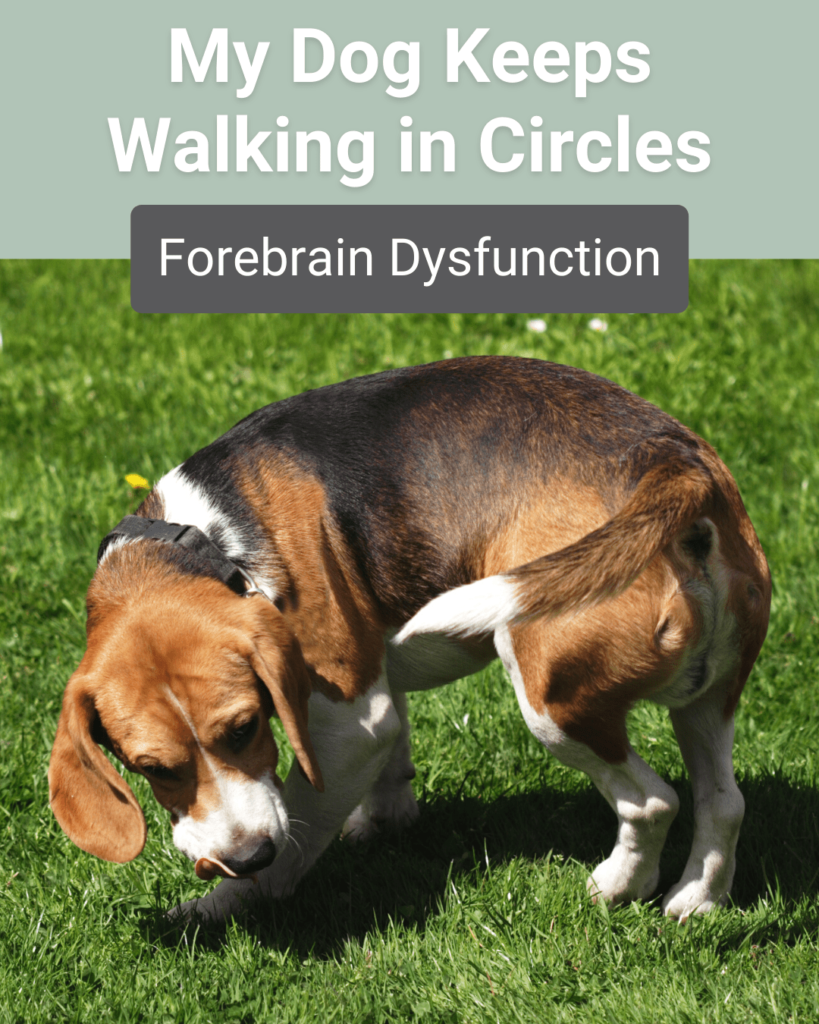
As a responsible dog owner, it’s not uncommon to observe your furry friend exhibiting unusual behavior, such as circling around in a circle. But what could be the cause of this seemingly harmless yet puzzling phenomenon? In this article, we’ll delve into the possible reasons behind canine circular behavior and provide practical tips on how to address it.
What Causes Canine Circular Behavior?
Canine circular behavior can manifest due to various factors, including:
- Physical needs: Dogs may circle around before defecating or urinating, especially if they don’t have access to adequate outdoor spaces.
- Stress and anxiety: Circling can be a sign of stress or anxiety in dogs, often triggered by changes in their environment, new pets or people, or loud noises.
- Lack of exercise and mental stimulation: Dogs require regular physical and mental stimulation to prevent boredom and restlessness. Insufficient exercise and mental activities can lead to circular behavior.
- Health issues: Certain health problems, such as disorientation or vision loss, can cause dogs to circle around.
Understanding the Relationship Between Stress and Behavior
Stress is a common underlying factor in canine circular behavior. According to research published in Applied Animal Behaviour Science, dogs exhibiting compulsive circling often exhibit elevated levels of cortisol, a hormone associated with stress.
An environment that fosters stress can contribute to the development of stereotypic behaviors like circling.
Disturbance of Obsessive-Compulsive Disorder (OCD) in Dogs
OCD in dogs is characterized by repetitive behaviors that can be distressing and limit an animal’s quality of life. Common symptoms include:
- Licking compulsively
- Morsiting (biting oneself)
- Destructive behavior
- Circling around
While the exact causes of OCD in dogs are still unknown, potential contributing factors include:
- Genetic predisposition
- Environmental stress
- Lack of mental stimulation
Treatment for OCD in dogs typically involves a combination of behavioral modification, medication, and environmental changes. Consult with a veterinarian or a certified animal behaviorist to develop an effective treatment plan.
The Importance of Early Identification and Intervention
Early identification and intervention can play a crucial role in addressing canine circular behavior. The longer the issue persists, the more challenging it becomes to treat.
Some common signs that indicate the need for early intervention include:
- Persistent circling: If your dog continues to exhibit circling behavior despite changes to their environment or increased exercise.
- Increased anxiety: If your dog’s stress levels are elevated, leading to destructive behavior or self-soothing behaviors like circling.
By acknowledging the signs of early intervention and seeking professional guidance, you can set your furry friend up for a successful treatment plan.
Addressing Underlying Health Issues
Canine circular behavior can also be triggered by underlying health issues. Common health problems that may contribute to circling include:
- Vision loss: Dogs with vision loss or blindness may circle around due to disorientation.
- Pain or discomfort: Dogs experiencing pain or discomfort may exhibit repetitive behaviors like circling.
Consult with your veterinarian to rule out any underlying health problems that may be contributing to the behavior.


