
As a responsible dog owner, one of the most important decisions you can make for your pet’s health and well-being is whether or not to sterilize them. Sterilization, also known as spaying or neutering, is a surgical procedure that involves removing the reproductive organs of your dog. In this article, we will explore the benefits and risks of sterilizing your dog, as well as discuss different types of sterilization procedures.
Why Sterilize Your Dog?
Sterilization has numerous health benefits for dogs. For females, it can prevent:
- Uterine infections (endometritis): These are painful and potentially life-threatening infections that can occur when the uterus is not drained of its contents after ovulation.
- Breast tumors (mammary cancer): Sterilization reduces the risk of developing breast cancer in females, which accounts for about 25% of all canine cancers.
- Ovarian tumors: Removing the ovaries also eliminates the risk of ovarian tumors, which can be benign or malignant.
- False pregnancies (pseudo-pregnancy): Females who are sterilized cannot become pregnant, eliminating the risk of false pregnancies and the discomfort they cause.
For males, it can prevent:
- Testicular cancer: Sterilization eliminates the risk of developing testicular cancer, which is a rare but serious condition.
- Prostate problems (prostatitis and prostatic hypertrophy): Removing the testicles reduces the risk of prostate issues, such as inflammation or enlargement of the gland.
- Aggressive behavior: Some studies suggest that sterilization can reduce aggression in males, although this is still a topic of debate among veterinarians and dog owners.
Sterilization also reduces the risk of unwanted breeding and prevents animals from being abandoned.
Types of Sterilization Procedures
There are two main types of sterilization procedures: ovariohisterectomia (ovariectomy) and orchiectomia (testicular removal).
- Ovariohisterectomia: This procedure involves removing the ovaries and uterus. It is usually performed on females between 4-6 months old.
- Orchiectomia: This procedure involves removing one or both testicles. It is usually performed on males between 6-12 months old.
There are also alternative methods of sterilization, such as tubal ligation and vasectomy.
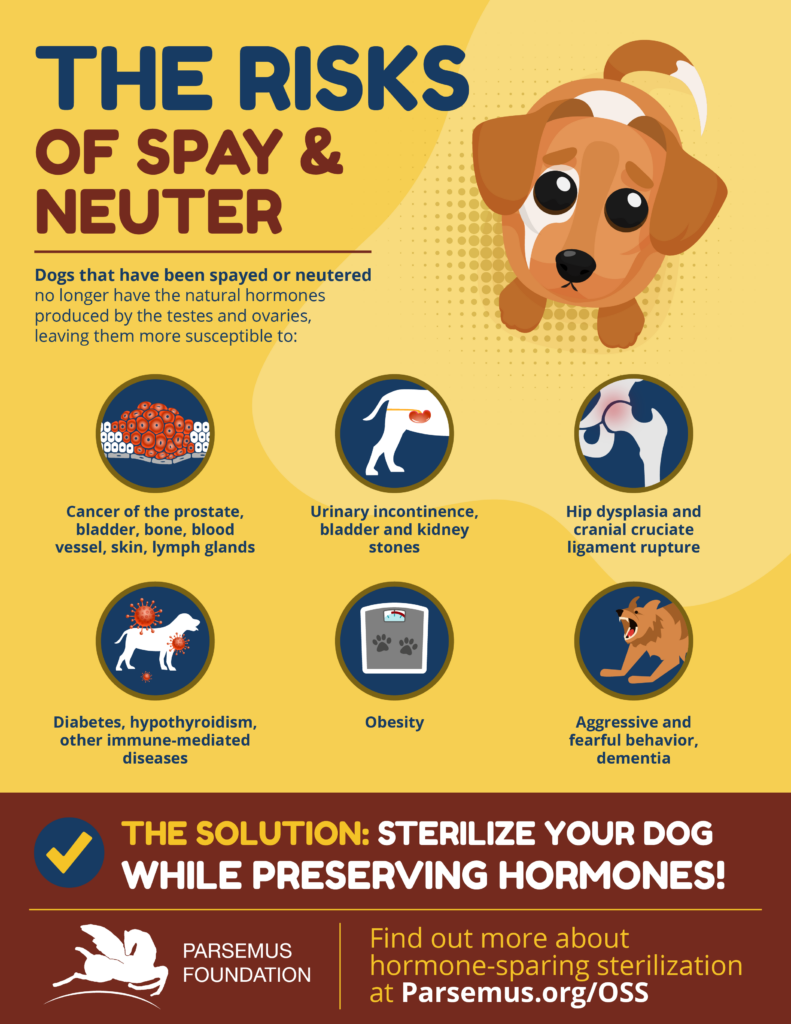
Risks Associated with Sterilization
While sterilization is generally a safe procedure, there are some risks associated with it. These include:
- Anesthesia risks (e.g., allergic reactions, respiratory complications): As with any surgical procedure, there is a risk of an allergic reaction or other adverse effects from the anesthesia used during sterilization.
- Infection: In rare cases, infection can occur at the site where the ovaries or testicles were removed.
- Adverse reactions to anesthesia: Some dogs may experience adverse reactions to the anesthesia used during sterilization, such as vomiting or diarrhea.
- Weight gain: Some dogs may experience weight gain after sterilization due to changes in their hormonal balance.
- Decreased fertility: While sterilization eliminates the risk of unwanted breeding and reduces the risk of certain health issues, it also means that your dog will be unable to reproduce naturally.
It’s essential to discuss the potential risks and benefits of sterilization with your veterinarian before making a decision.
Choosing the Right Time for Sterilization
The ideal time for sterilization depends on various factors, including your dog’s age, breed, and health status. In general, veterinarians recommend performing sterilization between 4-6 months of age for females and 6-12 months of age for males.
However, some breeds, such as Bulldogs and Pugs, may benefit from delayed sterilization due to their unique anatomy. For example, Bulldogs have a shallow pelvis, which can make it difficult to perform the ovariohisterectomy procedure safely.
Costs Associated with Sterilization
The cost of sterilization can vary depending on the type of procedure, location, and veterinarian. On average, the cost of sterilization ranges from €180-€250 for females and €200-€250 for males.
While it’s essential to consider the upfront costs, remember that sterilization is a long-term investment in your dog’s health and well-being. By avoiding unwanted breeding and reducing the risk of certain health issues, you can save money in the long run by reducing the need for expensive veterinary care down the line.
Conclusion
Sterilization is an important decision for dog owners, offering numerous health benefits while reducing the risk of unwanted breeding. By understanding the different types of sterilization procedures, risks associated with them, and choosing the right time for surgery, you can make an informed decision that prioritizes your dog’s health and well-being.
Frequently Asked Questions (FAQs)
- Is sterilization painful for dogs?
- No, sterilization is generally a painless procedure.
- Can I still breed my dog after sterilization?
- No, sterilization renders your dog unable to reproduce.
- Will my dog gain weight after sterilization?
- Yes, some dogs may experience weight gain due to changes in their hormonal balance.
- Can I use the same veterinarian for both male and female dogs?
- It’s recommended to consult a veterinarian experienced with spaying/neutering.
- Is sterilization suitable for all breeds?
- Some breeds, such as Bulldogs and Pugs, may benefit from delayed sterilization due to their unique anatomy.
By understanding the benefits and risks of sterilization, you can make an informed decision that prioritizes your dog’s health and well-being.


