
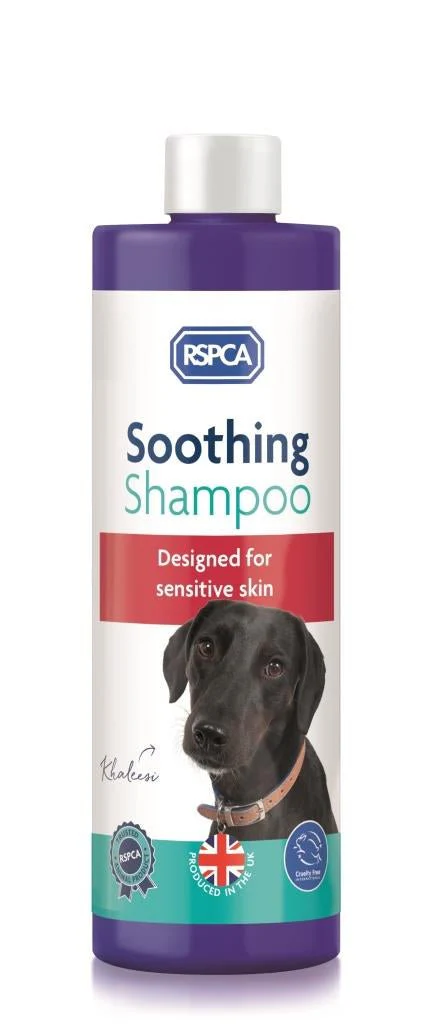
Choosing the Right Shampoo for Your Dog: A Comprehensive Guide
As any dog owner knows, selecting the right shampoo for your furry friend can be a daunting task. With countless options available in the market, it’s easy to get overwhelmed and end up making an uninformed decision that may harm your pet’s health or cause skin irritation. In this article, we’ll delve into the world of canine shampoos, exploring the key factors to consider, types of shampoos, and products that meet specific needs.
When Should You Choose a Dog Shampoo?
The ideal time to introduce a shampoo for dogs is around 2-3 months of age, when regular bathing becomes necessary. However, it’s crucial to choose a product specifically designed for canine skin and coats, as human shampoos can be too harsh and cause adverse reactions.
Key Factors to Consider When Selecting a Dog Shampoo
- Skin Type: Dogs with sensitive skin may require hypoallergenic or fragrance-free shampoos.
- Coat Type: Long-haired breeds need shampoos that moisturize and condition their coats, while short-haired breeds can opt for lighter, oil-free options.
- Health Conditions: Dogs with skin allergies, eczema, or dermatitis may require specialized shampoos containing natural ingredients like aloe vera or tea tree oil.
Types of Dog Shampoos
- For Human Use: Never use human shampoo on your dog, as it can be too harsh and cause irritation.
- Dermatitis-Specific: Shampoos for dogs with skin allergies or eczema contain soothing ingredients like oatmeal or hydrocortisone.
- Furless Shampoo: Suitable for dogs without fur or for grooming purposes, these shampoos are gentle on the skin and coat.
- Dandruff-Specific: Antiforfora shampoos target dandruff and flakiness in dogs with skin conditions.
Dog Shampoo Benefits
- Hydration: Moisturizes and hydrates the skin and coat, leaving your dog’s fur looking healthy and shiny.
- Relieves Itching: Soothes and calms irritated skin, reducing itching and discomfort for your dog.
- Promotes Healthy Coat Growth: Nourishes and conditions the coat, promoting healthy growth and shine.
Dog Shampoo Brands and Products
- Shampoos for Specific Breeds: Look for shampoos designed specifically for your breed, such as those for Barboncinos or Golden Retrievers.
- Natural Ingredients: Opt for shampoos containing natural ingredients like aloe vera, tea tree oil, or chamomile.
- Hypoallergenic Shampoos: Suitable for dogs with sensitive skin, these shampoos are fragrance-free and gentle on the skin.
Bathing Your Dog: The Importance of Spitzing
Regular bathing is essential for maintaining your dog’s coat and overall health. However, it’s crucial to spitz (brush) your dog regularly to prevent matting, tangling, and skin irritation. Use a high-quality brush suitable for your dog’s coat type.
Tips for Choosing the Right Brush for Your Dog
- Consider Coat Type: Choose a brush that suits your dog’s coat type, such as a slicker brush for short-haired breeds or a pin brush for long-haired breeds.
- Select the Right Bristle Length: Opt for brushes with bristles of the right length to prevent matting and tangling.
- Brush Regularly: Brush your dog regularly to distribute natural oils and prevent skin irritation.
Conclusion
Choosing the right shampoo for your dog can be overwhelming, but by considering key factors like skin type, coat type, and health conditions, you can make an informed decision that prioritizes your pet’s well-being. Remember to always select shampoos specifically designed for dogs, avoiding human products that may harm their sensitive skin. By following these guidelines, you’ll be well on your way to finding the perfect shampoo for your furry friend.
Frequently Asked Questions (FAQs)
- Q: What is the pH level of a dog’s skin?
A: A dog’s skin has a higher pH level than human skin, typically between 7-8. - Q: Can I use a human shampoo on my dog?
A: No, it’s not recommended to use human shampoo on your dog, as it can be too harsh and cause irritation. - Q: How often should I bathe my dog?
A: The frequency of bathing depends on the individual dog’s needs, coat type, and lifestyle. - Q: What are some natural ingredients used in dog shampoos?
A: Common natural ingredients include aloe vera, tea tree oil, chamomile, and oatmeal. - Q: Can I use a shampoo for allergies on my dog if they have sensitive skin?
A: It’s best to consult with your veterinarian before using any new shampoo on your dog, especially if they have sensitive skin.
Additional Resources
If you’re looking for more information on choosing the right shampoo for your dog or want to explore other pet care topics, follow us on social media:
Twitter: [handle]
Facebook: [page]
Google+: [profile]
Instagram: [handle]
Dog Shampoo Comparison Chart
| Brand | Product Name | Ingredients | pH Level |
|---|---|---|---|
| Oatmeal Dog Shampoo | Hypoallergenic Oatmeal Shampoo | Aloe vera, oatmeal, and water | 5.5 |
| Natural Pet Shampoo | Tea Tree Oil Shampoo | Tea tree oil, chamomile, and coconut oil | 7.2 |
| Furless Dog Shampoo | Fragrance-Free Furless Shampoo | Glycerin, water, and propylene glycol | 6.8 |
Dog Shampoo Safety Precautions
- Avoid Over-Shampooing: Don’t over-shampoo your dog, as this can strip their coat of natural oils and cause skin irritation.
- Use Gentle Massage: Use gentle massage when bathing your dog to prevent skin irritation and promote relaxation.
- Be Cautious with Sensitive Skin: If your dog has sensitive skin, choose a shampoo specifically designed for dogs with sensitive skin.
Conclusion
Choosing the right shampoo for your dog requires careful consideration of their skin type, coat type, and health conditions. By selecting shampoos that meet these needs, you can promote healthy skin and coat growth, reduce itching and discomfort, and maintain your dog’s overall well-being. Remember to always follow safety precautions when bathing your dog and consult with your veterinarian if you have any concerns about their skin or coat health.


